Here’s what you need to know about the list of ‘essential’ businesses in Illinois
READ MORE
Keep up with all the coronavirus news in southwestern Illinois
Stay updated with the events in southwestern Illinois that have been canceled or postponed because of coronavirus concerns.
Expand All
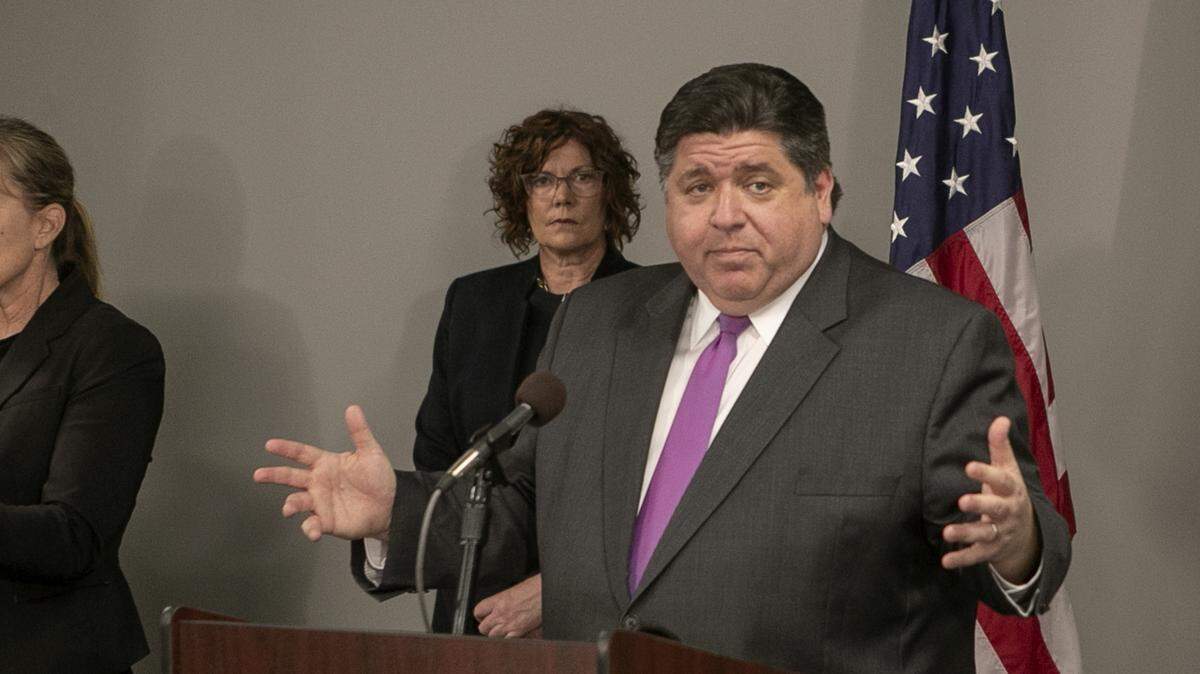
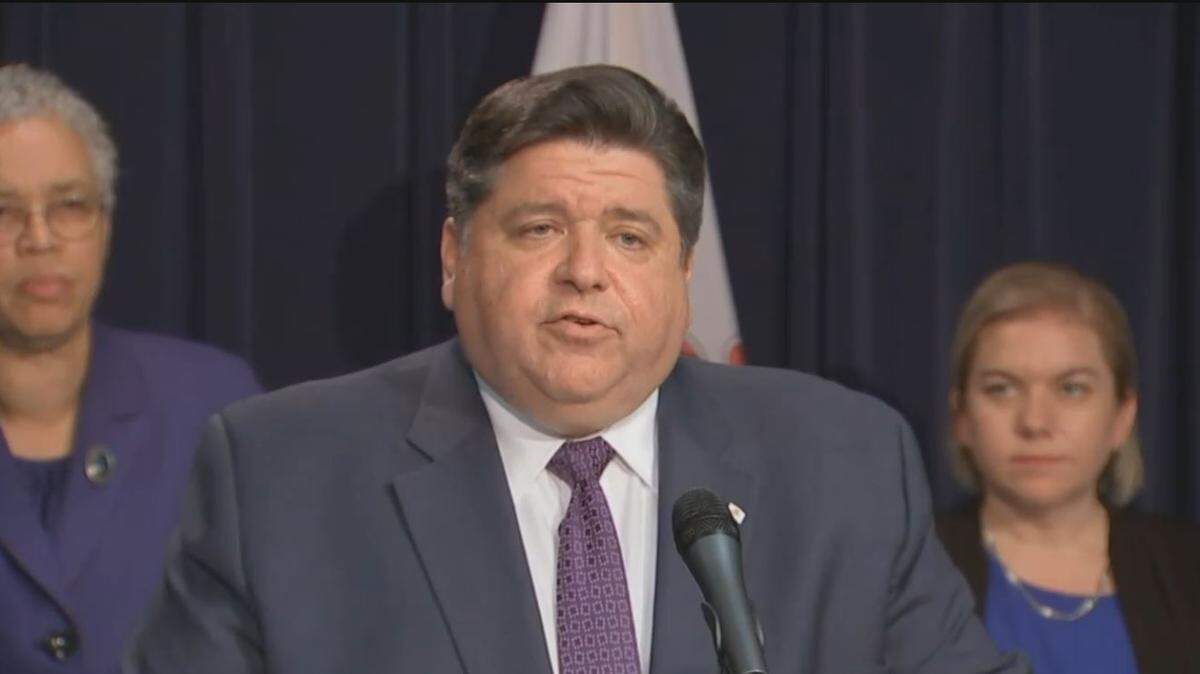
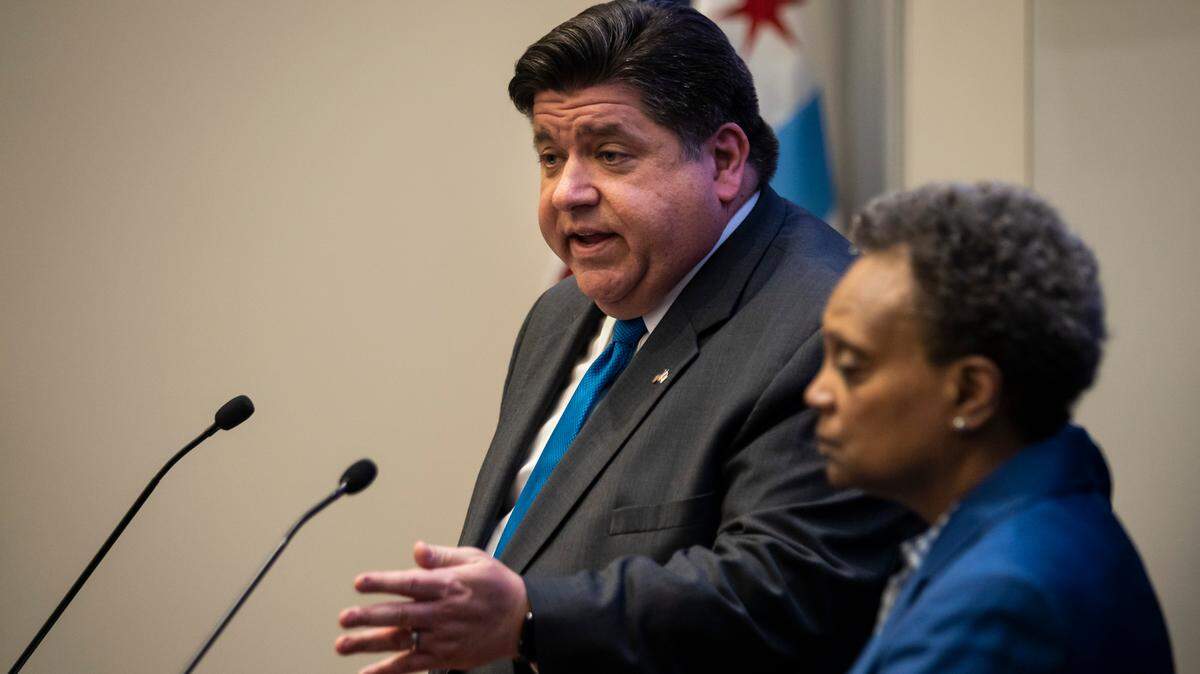
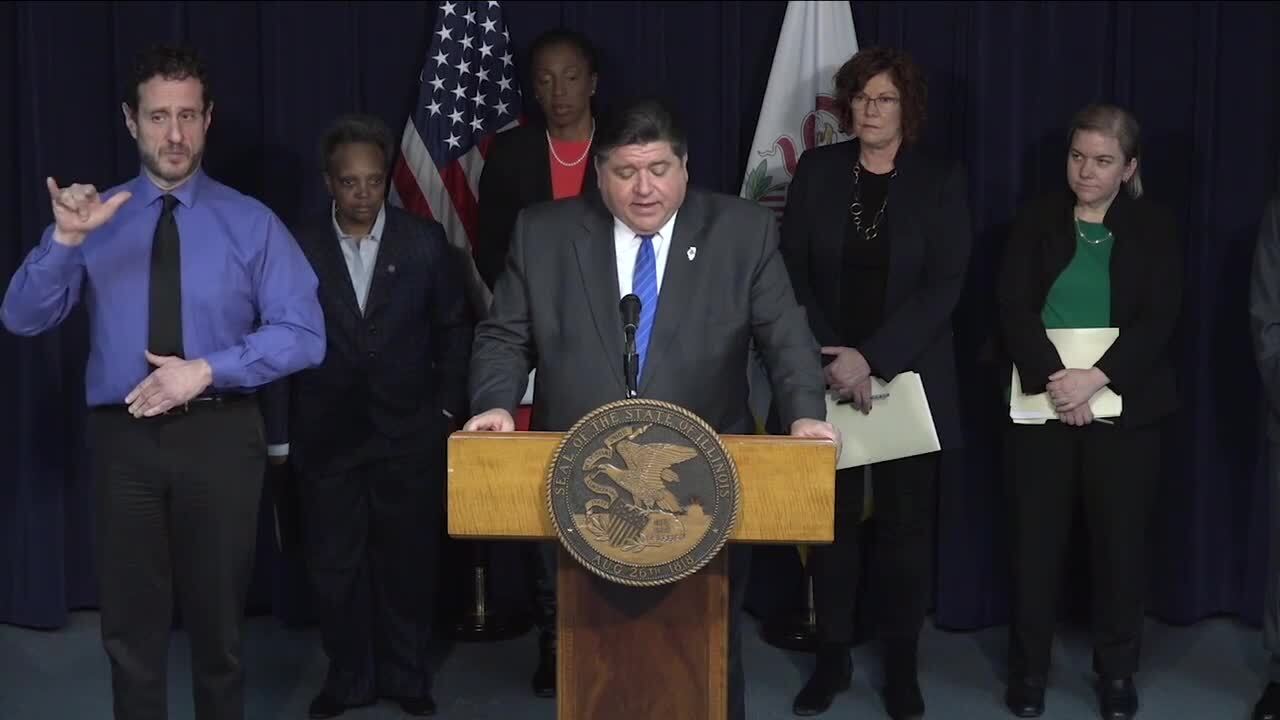
Gov. J.B. Pritzker issued a shelter-in-place order on Friday for residents in the effort to stop the coronavirus pandemic. It goes into effect at 5 p.m. Saturday and lasts until April 7.
Pritizker issued a news release with the list of what he considers essential businesses and operations:
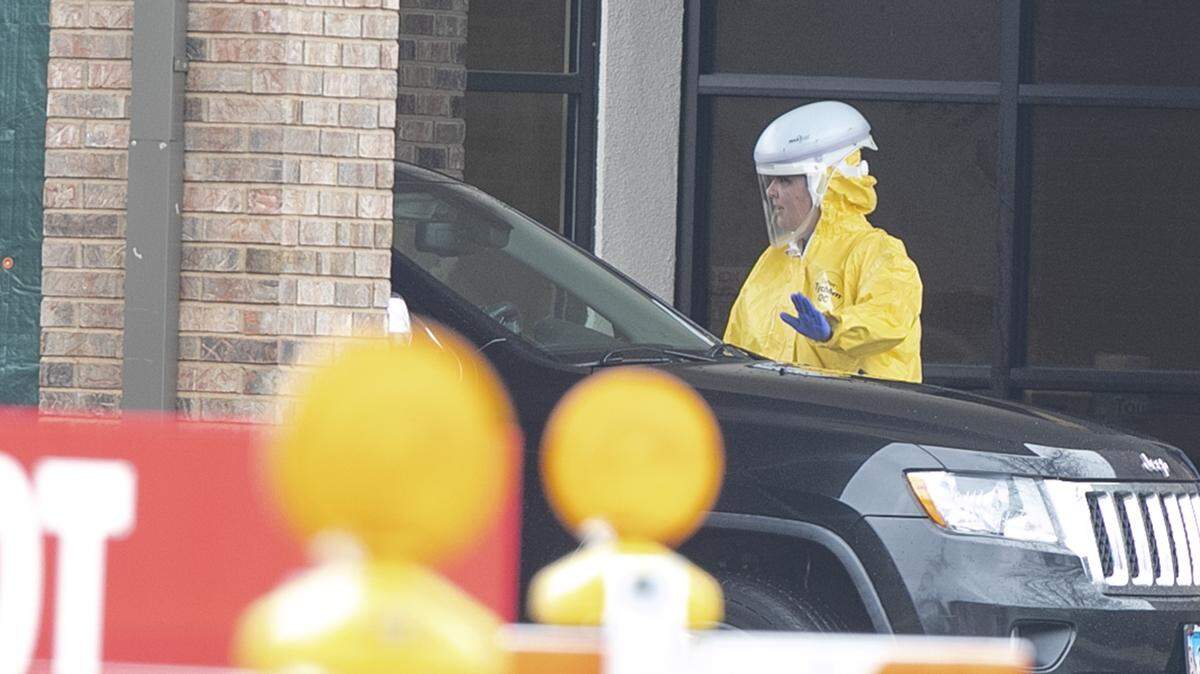
Healthcare and Public Health Operations: Working at or obtaining services from hospitals; clinics; dental offices; pharmacies; public health entities; healthcare manufacturers and suppliers; blood banks; medical cannabis facilities; reproductive health care providers; eye care centers; home healthcare services providers; mental health and substance use providers; ancillary healthcare services — including veterinary care and excluding fitness and exercise gyms, spas, salons, barber shops, tattoo parlors, and similar facilities
Human Services Operations: any provider funded by DHS, DCFS or Medicaid; long-term care facilities; home-based and residential settings for adults, seniors, children, and/or people with disabilities or mental illness; transitional facilities; field offices for food, cash assistance, medical coverage, child care, vocational services or rehabilitation services; developmental centers; adoption agencies; businesses that provide food, shelter, and social services and other necessities of life for needy individuals — excluding day care centers, day care homes, group day care homes and day care centers licensed as specified in Section 12(s) of the order
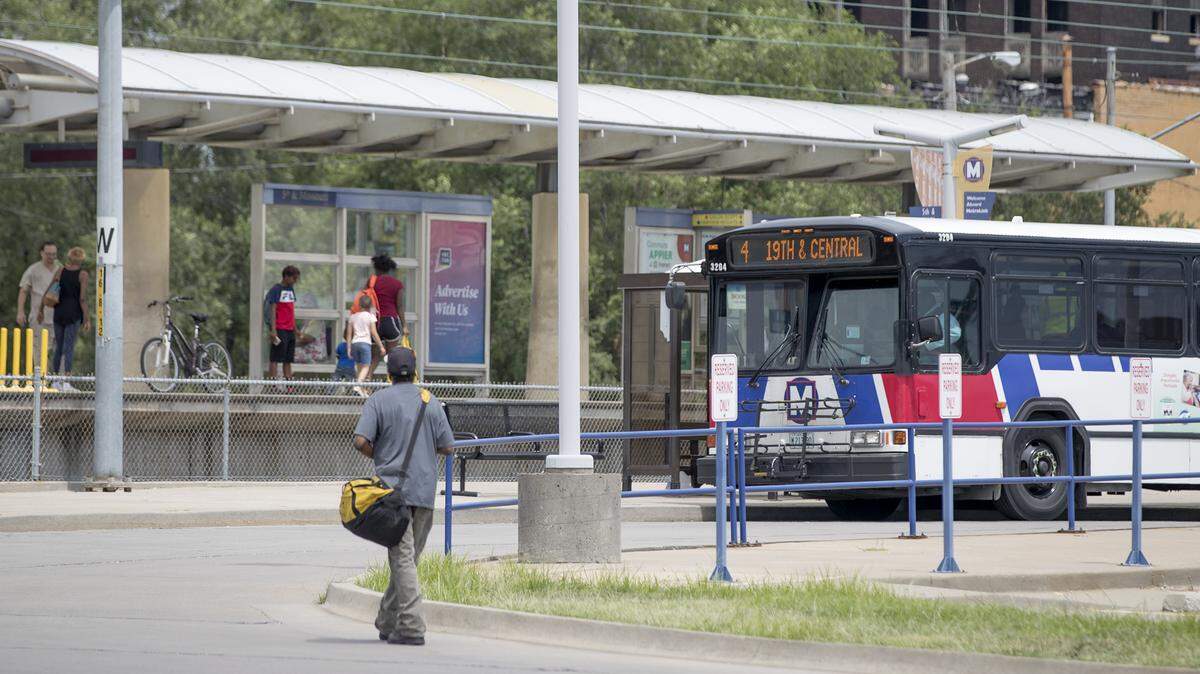
Essential Infrastructure: Working in food production, distribution and sale; construction; building management and maintenance; airport operations; operation and maintenance of utilities, including water, sewer, and gas; electrical; distribution centers; oil and biofuel refining; roads, highways, railroads, and public transportation; ports; cybersecurity operations; flood control; solid waste and recycling collection and removal; and internet, video, and telecommunications systems
Stores that sell groceries and medicine
Food, beverage and cannabis production and agriculture
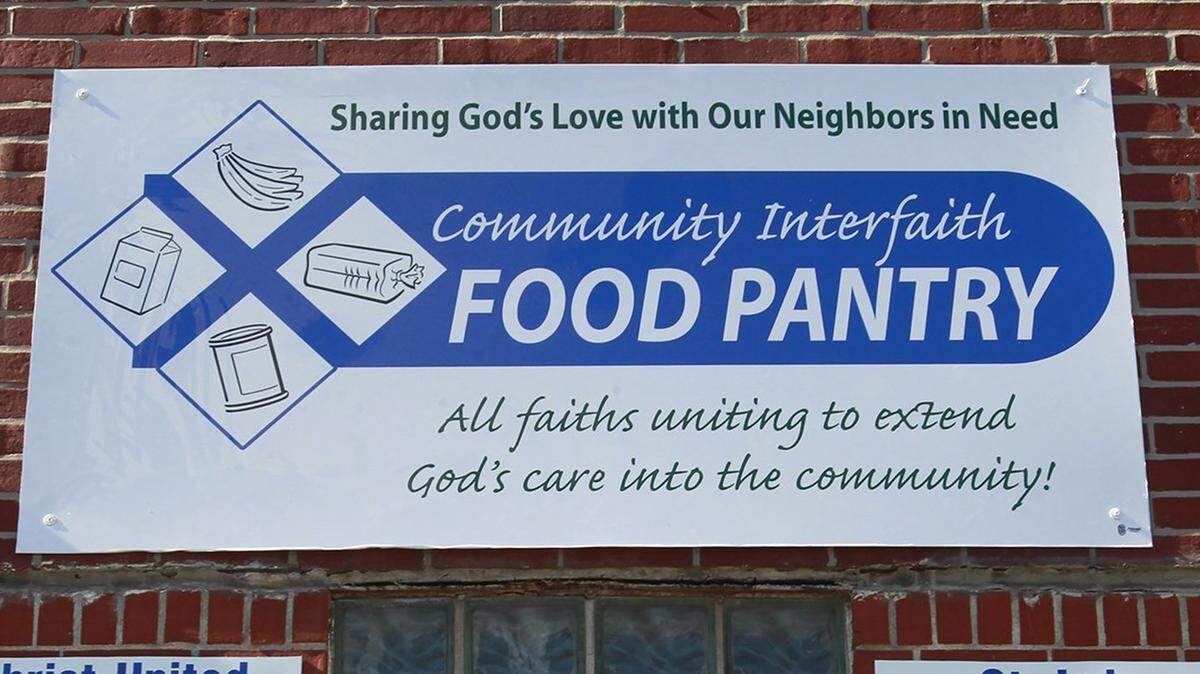
Organizations that provide charitable and social services
Media
Gas stations and businesses needed for transportation
Financial institutions
Hardware and supply stores
Critical trades, including plumbers, electricians, exterminators, cleaning and janitorial staff for commercial and governmental properties, security staff, operating engineers, HVAC, painting, moving and relocation services, and other service providers that maintain the safety, sanitation and essential operation of residences, essential activities, and essential businesses and operations
Mail, post, shipping, logistics, delivery and pick-up services
Educational institutions, for purposes of facilitating distance learning, performing critical research, or performing essential functions
Laundry services
Restaurants for consumption off-premises
Supplies to work from home
Supplies for Essential Businesses and Operations
Transportation, for purposes of Essential Travel
Home-based care and services
Residential facilities and shelters
Professional services
Day care centers for employees exempted by this Executive Order
Manufacture, distribution, and supply chain for critical products and industries
Critical labor union functions
Hotels and motels, to the extent used for lodging and delivery or carry-out food services
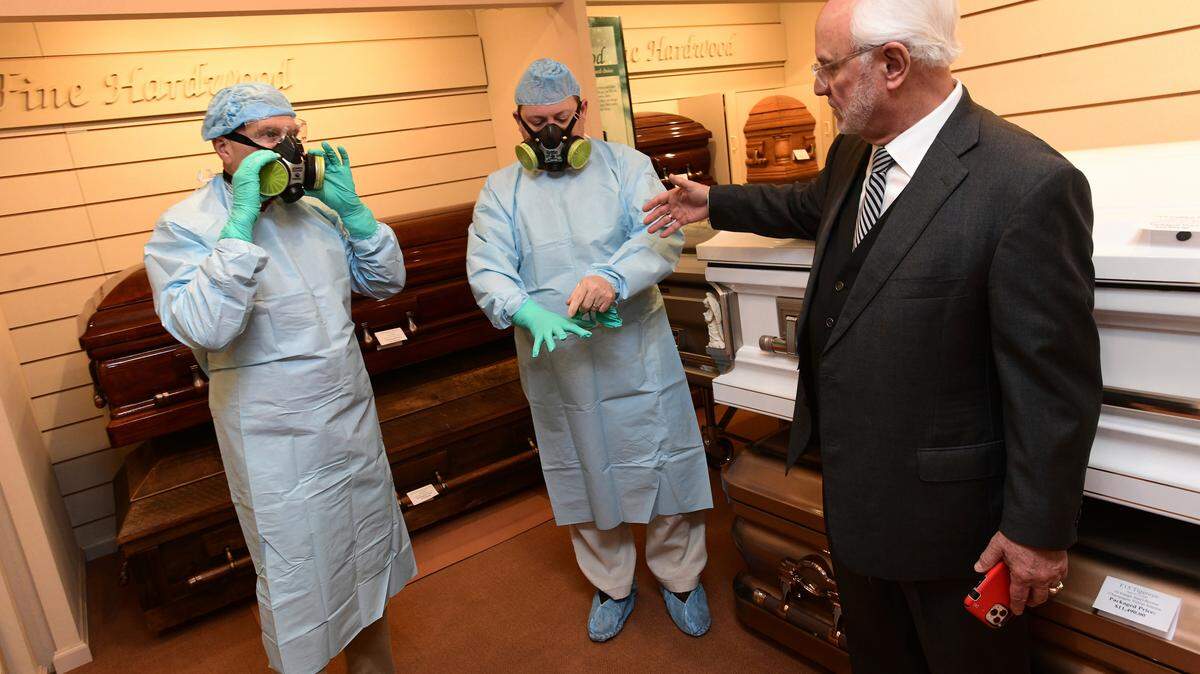
Funeral services
All non-essential business and operations must cease, aside from Minimum Basic Operations. Business can continue with employees working from home. Minimum Basic Operations includes the minimum necessary activities to maintain the value of inventory, preserve plant and equipment condition, ensure security, process payroll and employee benefits and facilitate employees working remotely.
The order also closes licensed child care centers and all childcare homes serving more than six children. The Pritzker administration is working to expand the availability of child care for essential workers, while protecting the health of the children and child care teachers and home providers. A new Emergency Child Care Center license is being created with more flexibility but much smaller group sizes to ensure social distancing for children in care.
Only essential travel is permitted at this time and must be done in accordance with social distancing requirements. That includes travel related to:
Performing Essential Activities, Essential Governmental Functions, Essential Businesses and Operations or Minimum Basic Operations
Caring for elderly, minors, dependents, persons with disabilities or other vulnerable persons
Receiving materials for distance learning, for receiving meals, and any other related services from an educational institution
Returning to a place of residence from outside the jurisdiction
Following the direction of law enforcement or court order, including to transport children pursuant to a custody agreement
Returning to a place of residence outside the State for non-residents
This story was originally published March 20, 2020 at 5:34 PM.