Eight styles of pizza? What’s the difference between St. Louis, Detroit, other types?
Last week I reported the results of our online poll asking readers to vote for their favorite restaurant that opened in 2021. Two of the top five restaurants, plus others on the list, were pizza places.
I also recently learned that Pizza Head in St. Louis, a favorite of mine that’s all vegetarian with vegan options, is under new ownership.
So of course, I’ve got pizza on the brain.
I’ve always considered pizza the most perfect food. (Maybe I just tell myself that to justify the mass quantities I’ve consumed over the years.)
Done right, pizza contains all of the food groups, which, these days and depending on who you ask, might consist of fruit and vegetables, starchy foods, dairy (or a dairy alternative), protein and fat.
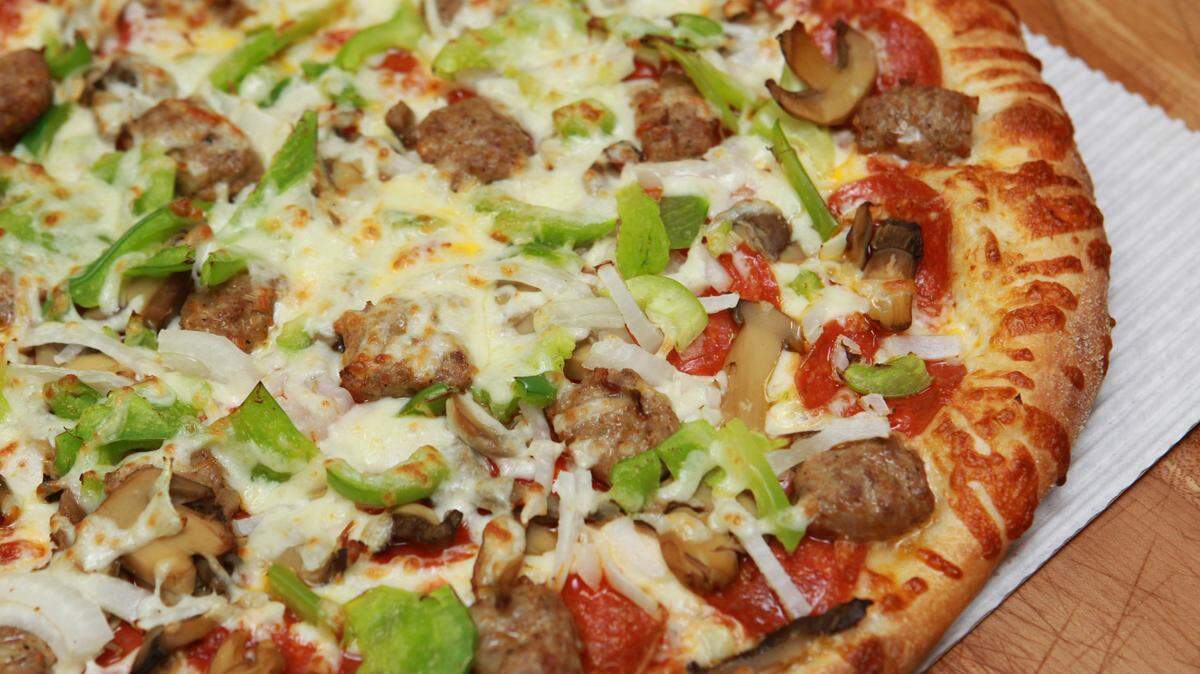
My favorite toppings are green pepper, onion and mushroom. Unless I’m at Pizza Head when I go for the cashew cheese and vegan pepperoni. And their pizza is New York-style.
That’s one of the great things about pizza: the variety of styles.
A 2019 article I found at webstaurantstore.com details eight different types of pizza and how to best bake them. (There’s a pretty nifty infographic on the site too – check it out!) Here’s a summary of their pizza descriptions:
Neapolitan Pizza
Neapolitan pizza, or Naples-style pizza, is a thin-crust pie with minimal toppings.
There are three official varieties.
The most common is probably the margherita pizza, topped with tomatoes, sliced mozzarella, basil and extra virgin olive oil (evoo).
There’s the pizza marinara: tomatoes, garlic, oregano and evoo. And there’s the margherita extra, with tomatoes, mozzarella, basil and evoo.
New York-Style Pizza
I’ve already mentioned New York-style pizza. These are nice large, foldable slices with a not-too-thick/not-too-thin crust.
This one started as a Neapolitan-style pie and has evolved to handle more than just mozzarella and tomato sauce. These bad boys can be loaded up with toppings and are often topped with oregano, red pepper flames, Parmesan cheese and/or garlic powder.
Chicago Deep-Dish
This pizza that most looks like an actual pie has a thicker crust than the Neapolitan and has raised edges. (Bliss for those, like me, whose favorite bit is the crust.)
The ingredients are piled on in reverse: mozzarella, then meat, veggies and crushed tomatoes.
Traditional toppings include ground beef, pepperoni, onion, mushrooms and green peppers, finished off with some grated Parmesan.
Sicilian Pizza
Sicilian pizza, or sfincione, makes me want to watch “The Godfather Part II” again.
This square-cut delight is essentially a focaccia with toppings. The thick, bready crust is soft in the middle and crispy underneath and along the edges.
The Sicilian is served with or without cheese. With cheese, placing it under the sauce can prevent the crust from getting soggy.
Traditional toppings are tomato, onion, anchovies and herbs.
Detroit Pizza
Where else but in the Motor City would a pizza style originate from having once been made in steel automotive pans?
No, really.
This pizza style, based on the Sicilian, dates back to the 1940s, when they really were baked in auto parts pans.
The thick, rectangular crust is traditionally topped with pepperoni, covered by brick cheese that is spread to the pan’s edges and tomato sauce. Mushrooms and olives are often thrown into the mix.
St. Louis Pizza
Of course, many of you already know about the St. Louis pizza.
This style is made with a thin crust with no yeast. The cheese of choice is provel, a processed cheese that’s a combination of cheddar, Swiss and provolone.
In addition to the provel, the St. Louis pizza also features a sweeter tomato sauce, a generous amount of oregano.
Although the crust is thin, it’s able to support a lot of toppings, so load it up!
California Pizza
A product of the 1970s, the California may be considered a bit unusual with its use of non-traditional ingredients.
A chef by the name of Ed LaDou experimented with pizza recipes, creating a pizza with “mustard, ricotta, pate, and red pepper,” according to webstaurantstore.com.
He served this … um, interesting … pizza to Wolfgang Puck, who was so impressed with it that he offered LaDou the position of head pizza chef at his restaurant.
LaDou developed more than 250 recipes that later became the menu for the California Pizza Kitchen chain.
The California has no traditional toppings. Use anything you want.
Greek Pizza
Cooked in shallow, oiled pans, the Greek pizza’s crust is thick and chewy, the bottom practically deep-fried. It’s not thin but not as thick as deep-dish or Sicilian crust.
As far as toppings go, think less cheese, more sauce. The sauce is tangy and heavy on the oregano. Cheese is often the only topping, usually a mix of mozzarella and cheddar or provolone. It may also include feta, black olives and red onion.
Getting to the point … finally
If you’ve read this far, you might be wondering where I’m going with all of this pizza talk … er, writing. We decided to launch a new online reader poll for folks to pick their favorite pizza place in the metro-east.
It’s posting Friday morning.
Take a gander at the choices and select your fave. Vote as many times as you like. We’ll post the results after the poll closes.
Now I’m REALLY craving pizza.
BEHIND THE STORY
MOREWhat's happening in your community?
Help the BND report on new restaurants and other businesses in southwestern Illinois. Share your tips and questions about openings, closings and other business topics by contacting reporter Jennifer Green at jgreen@bnd.com or 618-239-2643.