It’s fall foraging time. Here’s what you can gather or plant in southwest IL this season
Have you ever wished you could head out to a local nature preserve or even your backyard for fresh produce instead of the grocery store?
There are plenty of foraging and gardening options available in southwest Illinois this fall, from community gardens, to curating fruits and vegetables in your yard, to growing indoor microgreens.
Crystal Stevens has farmed and taught foraging workshops for more than a decade, and her 10-acre farmstead features diversified fruits, vegetables, flowers and herbs. The News-Democrat asked Stevens what local residents can forage or plant this fall. Here’s what to know.
Safe, ethical foraging
One of the most important things to consider when foraging is identification, Stevens said. Some plants, especially mushrooms, can easily be confused with species that can cause illness or even death if consumed.
“The first thing to keep in mind is safety. So, there are many poisonous look-alikes, so you have to be 110 percent sure in your identification,” Stevens said.
Beginner foragers should use a proper, local field guide or take a guided foraging tour to ensure they don’t make a serious mistake, Stevens said. Another option is to work with a botanist.
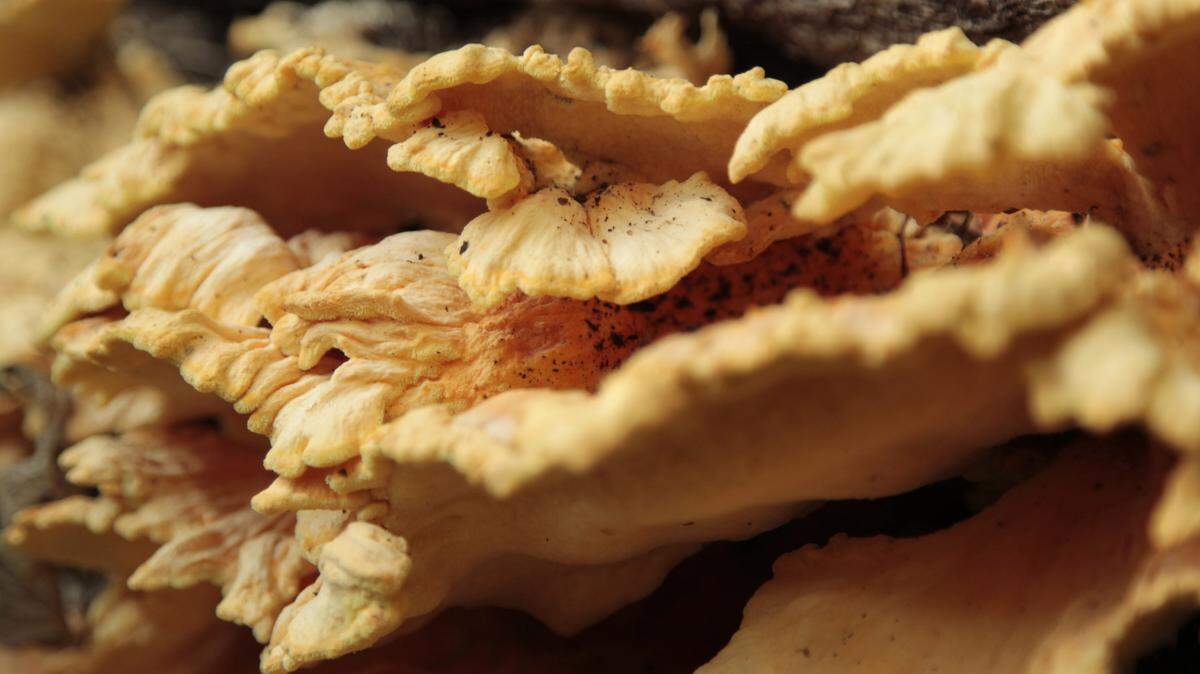
Because they can be dangerous, Stevens said she recommends beginner foragers to avoid mushrooms that grow from the ground. Some can be easier to identify, such as the bright orange “chicken of the woods” mushroom, which grows from fallen, decaying logs. But it’s vital to be completely sure you’ve properly identified a fungus.
Another aspect of safe foraging is making sure you aren’t gathering from areas sprayed with insecticides or herbicides, Stevens said. Avoid foraging near railroad tracks, roads or bike paths. Some public parks also use chemical pesticides.
If you’re looking to forage on public land, make sure it’s legal before you pick. Tower Grove Park regulates foraging, and other areas may also have restrictions.
“Do not pick flowers, fruits, nuts, or remove any vegetation (including trees and shrubs) without authorization of Tower Grove Park,” the park’s website reads.
For those who are interested in foraging on private property that’s not their own, secure permission from the landowner before taking anything and avoid trespassing.
Along with safety concerns, aspiring foragers should also consider the delicate nature of ecosystems when gathering plants, Stevens said.
“For the ethical side of things, there are at-risk plants in Missouri. So ginseng, goldenseal, a lot of the spring ephemerals,” Stevens said. “It’s best not to pluck, pick or dig the roots from any at-risk plants. So focus on wild, abundant plants instead.”
Dandelions, violets and plantains (the leafy green, not the tropical fruit) are all great foraging options available in abundance in southwest Illinois in the spring.
“Never take more than one-fourth of the stand,” Stevens said. “If you see a big, vibrant stand of dandelion, or you know, plantain, never harvest more than a fourth of it. Even if there’s a clear abundance of that plant, a lot of the pollinators rely on these flowers, a lot of the ecosystem depends on the pollinators having access to these, as well.”
Especially if foraging and cooking plants isn’t already part of your routine, make sure to do your homework and buy supporting ingredients before gathering lots of natural resources.
“More often than not, I see people harvesting a bag of dandelions and then they forget to use them for a preparation and they just rot,” Stevens said. “If you want to make a dandelion jelly, make sure before you even pick the dandelions (to) go out and purchase all of the ingredients and look at some tutorials on how to do it, and then pick the dandelions and set aside several hours to complete the task.”
What can you forage in southwest Illinois this fall?
For the next roughly one and a half months, or until the first frost hits, you can participate in fall foraging. Here are some of the items you may be able to forage or plant yourself this season:
Strawberries
Blackberries
Perennial fruits
Leafy greens
Salad mixes
Radishes
Turnips
Baby kale
Spinach
Carrots
Garlic
Plantains
Spicebush berries
Black walnuts
Pecans
Hickory nuts
If you have a backyard you can use for gardening, planting a variety of fruits, vegetables, flowers and herbs is a good place to start, Stevens said.
“When we forage and teach foraging workshops, we like to encourage people to create cultivated ecologies in their own backyards,” Stevens said.
Not everyone has a backyard they can use to plant fruits and vegetables, but there may still be harvesting options available. For example, you could get involved with a local community garden or grow microgreens inside your home.