Illinois funeral homes limit number of mourners until after coronavirus threat subsides
Metro-east funeral homes are limiting the number of mourners at visitations, funerals, memorials and graveside services and taking extra precautions with cleaning and sanitizing to help slow the spread of coronavirus.
“We’re keeping services private with immediate family members only,” said Jenna Renner Graser, a funeral director for George Renner & Sons Funeral Homes, which include locations in Belleville, Freeburg and Smithton.
“And the times are not being published for the public because we are working under (U.S. Centers for Disease Control) recommendations to limit gatherings to 10 people or less.”
Some families are choosing to delay memorials until after the coronavirus threat has subsided so more people can attend, said Charlie Kassly, owner of Kassly Mortuary in Fairview Heights.
Employees always keep the funeral home clean, he said, but they’re now practicing “social distancing” in the office and using more disinfectant wipes on doorknobs and other hard surfaces.
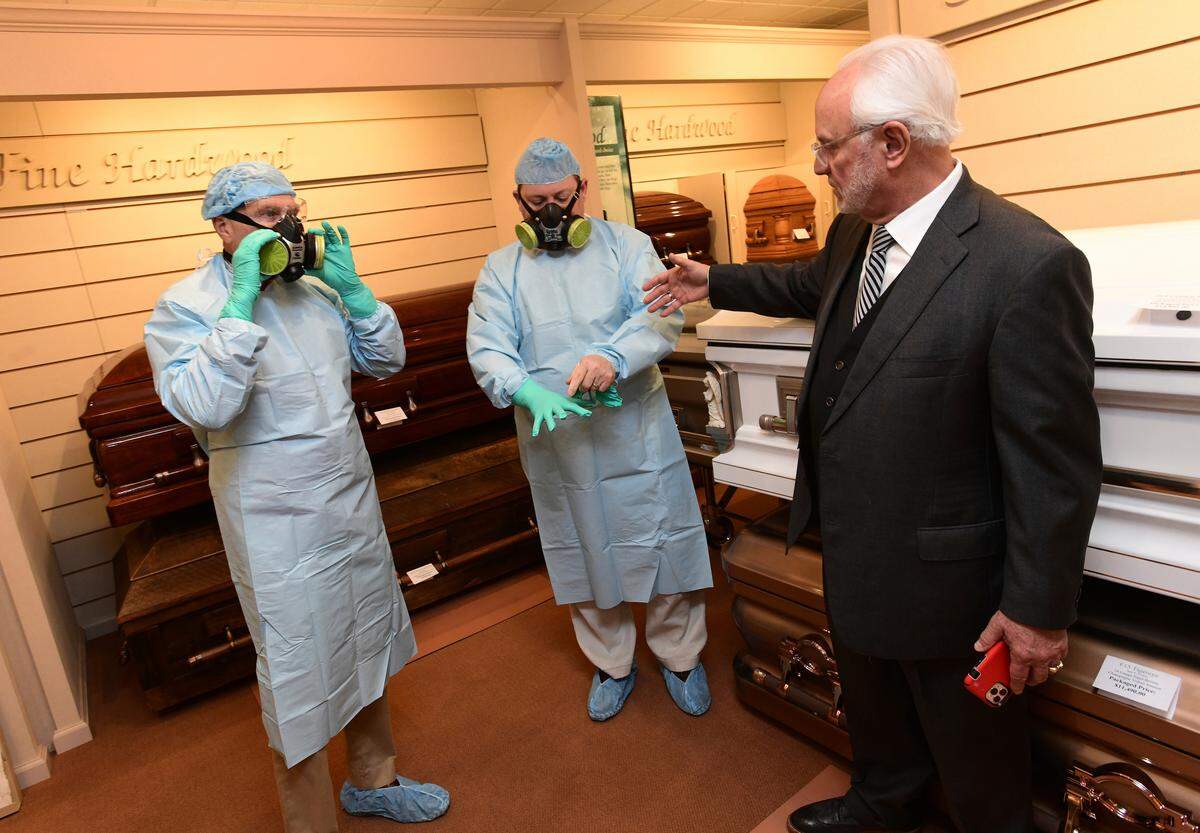
“We haven’t had an COVID-19 embalming yet, but that could happen,” he said. “We already have personal protective equipment such as gloves, eye protection and face masks, and we take other universal precautions and use proper sanitary techniques.”
‘Rapidly changing situation’
Last week, officials across the country began closing restaurants, schools, museums, libraries and other public places due to coronavirus, a respiratory illness also known as COVID-19, which has been declared a pandemic.
One person watching closely is Greg Henderson, board president for the Illinois Funeral Directors Association, which has 1,300 members across the state.
The board addressed the crisis on its Facebook page Tuesday, emphasizing the CDC recommendation that private and public gatherings be limited to 10 people.
“Viewings should only be conducted on bodies that have been embalmed,” the association’s post read.
By Thursday, that statement was being reworked because, Henderson said, the CDC is reporting that there is no known risk associated with being in the same room with the body of a person who has died of COVID-19, with or without embalming.
“It’s a rapidly changing situation,” said Henderson, who owns Henderson Funeral Home & Crematory in Pekin.
In another development, Kassly noted that nursing homes are now taking temperatures of funeral home employees before they enter to pick up bodies of deceased residents to make sure they’re not sick.
New level of precaution
The funeral home industry has always had to deal with viruses and diseases, ranging from tuberculosis to HIV/AIDS and hepatitis, Kassly said.
“But (the COVID-19 pandemic) is unlike anything I can ever remember. It’s just catastrophic for a lot of families because commerce has almost come to a halt.”
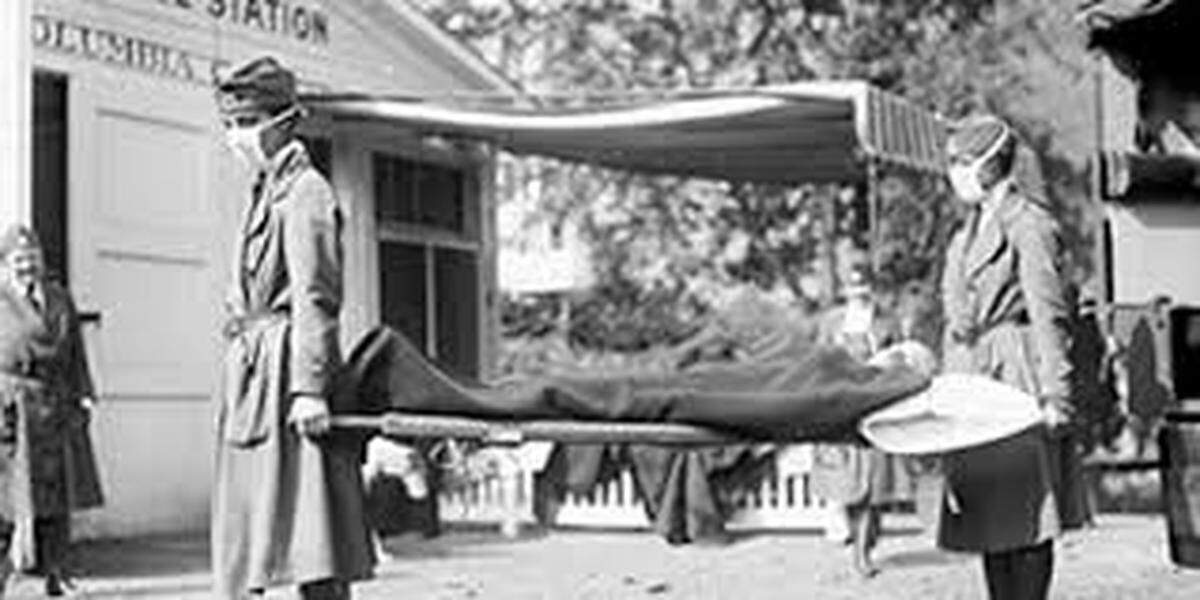
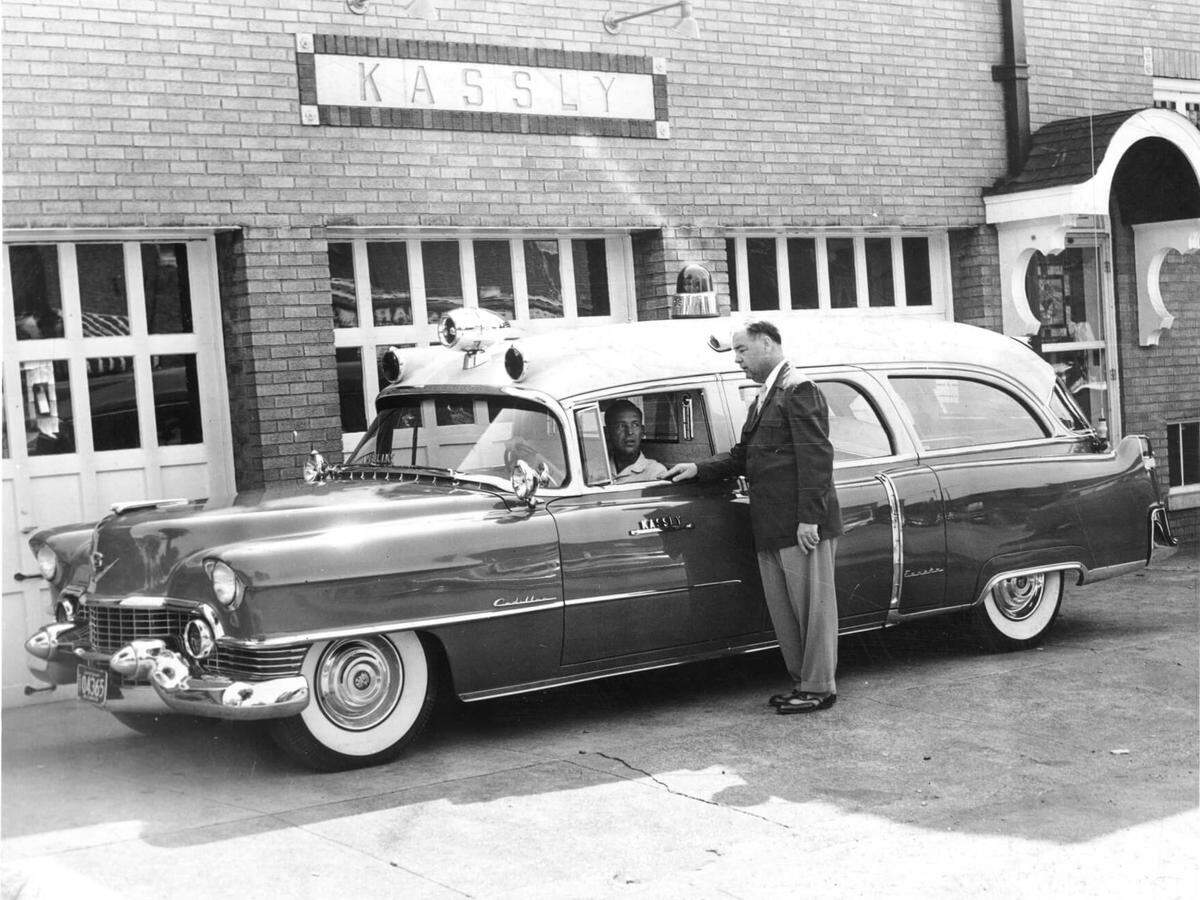
His grandfather, John Kassly Sr., opened the family’s first funeral home in East St. Louis in 1906, about 12 years before the 1918 influenza pandemic that killed 50 million people worldwide.
While not health-related, a gravediggers’ strike occurred after Charlie Kassly had joined the business, forcing funeral homes to delay burials for weeks. His mortuary had 40 coffins waiting near the end.
Today, both Renner and Kassly are allowing people to make funeral arrangements by phone or through digital technologies if they feel uncomfortable leaving their homes because of coronavirus.
“We are doing everything in our power to serve families as best we can while also protecting public health and safety,” Graser said.
No outside food or drink
Both Renner and Kassly have referenced the COVID-19 pandemic on their websites. Renner listed steps that it’s taking in addition to limiting group sizes:
- Additional sanitizing of items at all locations and in all public areas of our funeral homes.
- Making funeral arrangements by phone instead of in person, if your family prefers.
- Not allowing any outside food to be brought into the funeral home for services.
- Urging families to respect social distancing during this time.
On its website, Kassly also asks for cooperation from the public.
“It is vitally important that members of the general public continue to practice recommended preventative measures, such as social distancing and robust personal hygiene, as recommended by the CDC and St. Clair County Health Department,” it says.
“Please be smart when it comes to hygiene. Please do not attend services if you are exhibiting symptoms of illness such as fever, cough, and shortness of breath or difficulty in breathing.”
CDC advice on funerals
The CDC website includes funeral-related questions in a coronavirus Q&A, but they focus mainly on cases where people have actually died of COVID-19.
In these cases, mourners are asked to consider not touching bodies since it may be possible for a person to get coronavirus by touching a surface or object with invisible droplets on it and then touching his own mouth, nose or eyes.
“There may be less of a chance of the virus spreading from certain types of touching, such as holding the hand or hugging after the body has been prepared for viewing,” the website states. “Other activities, such as kissing, washing, and shrouding should be avoided before, during, and after the body has been prepared, if possible.
“If washing the body or shrouding are important religious or cultural practices, families are encouraged to work with their community cultural and religious leaders and funeral home staff on how to reduce their exposure.”
The CDC also gives guidance to funeral home directors and employees. It doesn’t discourage embalming or holding funerals or visitations, but it suggests precautions in addition to what already is standard to prevent infection.
“Decedents with COVID-19 can be buried or cremated, but check for any additional state and local requirements that may dictate the handling and disposition of the remains of individuals who have died of certain infectious diseases,” the website states.
This story was originally published March 20, 2020 at 12:00 AM.