Meals, phone calls and Facebook help Southern Illinois seniors cope with coronavirus
Jack Kramer used to shop at the grocery store, fill up at the gas station and go to Millstadt Senior Dining and Multi-Purpose Center two or three times a week to eat and socialize.
Then coronavirus turned the retired science teacher into a shut-in.
Kramer, 84, of Millstadt, hasn’t been out of the house since the middle of last week. He has a chronic lung problem and doesn’t want to get infected with the new virus, which causes COVID-19, a respiratory disease that has been declared a pandemic.
“What I miss most is the contact with other people in my age group,” Kramer said Wednesday by telephone. “It’s a little bit upsetting. You don’t think you’re going to miss people that much, but believe me, you do.”
“Shelter-in-place” restrictions to slow the spread of coronavirus have closed senior citizen centers across the country, but a few in the metro-east are continuing to provide outreach services to older people, particularly those who live alone.
Millstadt’s center is delivering about 60 meals a day, double its normal amount, with the help of more than 150 volunteers. Director Patty Evansco and assistant Sandy Dressler-Sanders also have been calling and checking on a handful of regular clients.
“We have people who come here every day,” Dressler-Sanders said. “They play cards and do quilting. On Thursdays, we have cornhole tournaments, and on Wednesdays, we have Wii bowling.
“Now people are stuck at home. They’re just sitting around watching TV. They miss this place. They miss getting out for the drive. They’re bored, and for some of them, it’s not good mentally. They’re not keeping their minds active.”
‘Visiting by telephone’
Social isolation can have a devastating effect on the physical and mental health of older people, according to Cheryl Brunsmann, executive director of Programs and Services for Older Persons, an arm of Southwestern Illinois College in Belleville.
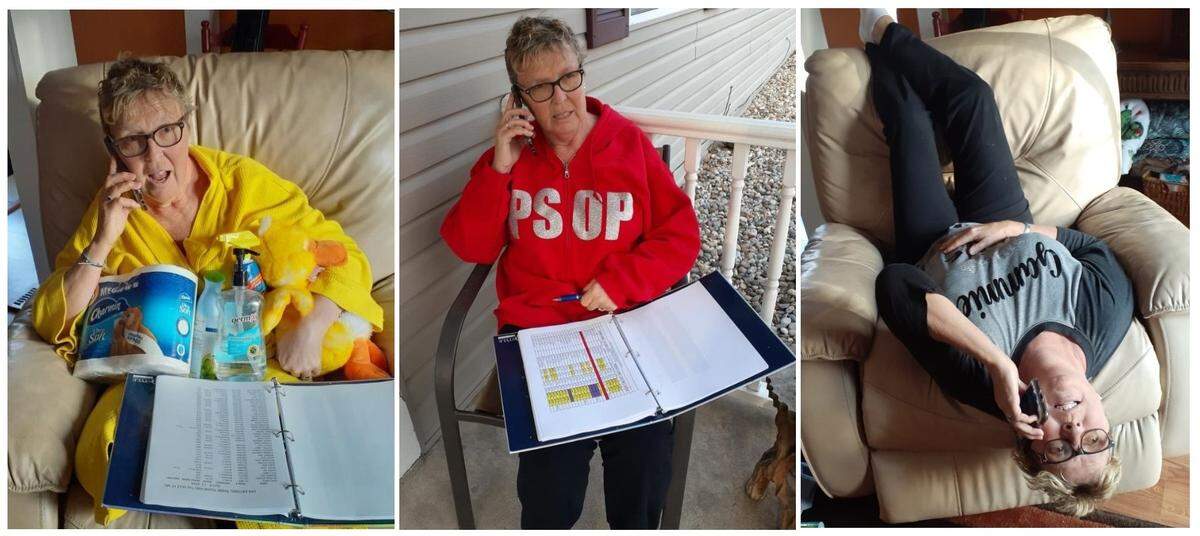
Its downtown building, which doubles as a senior citizens center, is closed due to coronavirus. But Brunsmann is overseeing a new program that’s helping clients while also providing work for about 10 displaced staff members and two volunteers.
They’ve developed a list of about 3,500 senior citizens who have received the PSOP newsletter in the past two years, and they’re calling all of them on a daily, weekly or biweekly basis, depending on preferences.
“It can be awful being by yourself and not knowing what’s going on,” Brunsmann said. “... This is telephone reassurance. You’re just reassuring them that someone is there for them. It’s visiting by telephone.”
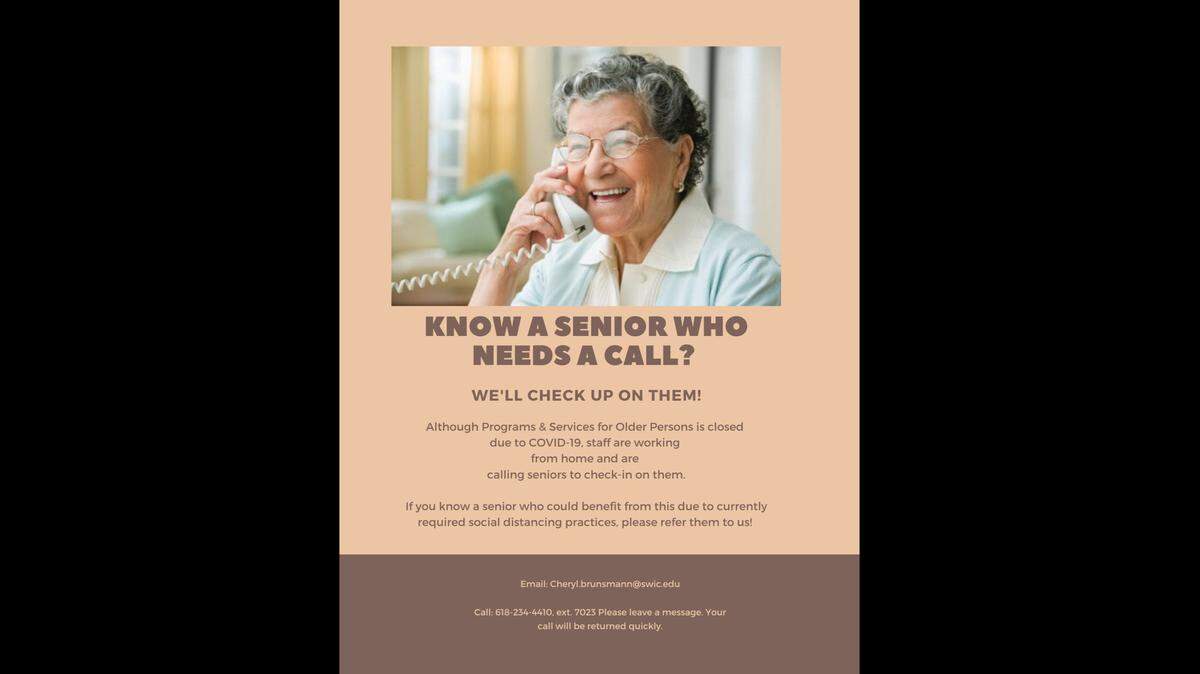
The service isn’t limited to PSOP clients. Anyone can add a senior citizen’s name to the list of call recipients by contacting Brunsmann at 618-234-4410, ext. 7023, or cherylbrunsmann@swic.edu.
Sara Berkbigler, executive director of Main Street Community Center in Edwardsville, got a clue of how much some of her clients miss activities and human contact when she noticed that several had signed up for Facebook accounts.
In some cases, the clients had fully intended to live the rest of their lives without social media.
“They’re like, ‘OK, we’re in this world now,’ and they’ve been taking classes on (technology),” Berkbigler said. “I think they’re finding that it’s a good way to connect right now.”
.jpeg "MainStreetVoluntee_fitted (1).jpeg")
‘A little unsettling’
Main Street Community Center volunteers have been delivering meals to senior citizens for 40 years, and coronavirus hasn’t stopped them.
Anderson Hospital in Maryville prepares the meals four days a week, and local restaurants rotate on Thursdays. About 40 clients also are receiving one bag of non-perishable staples each week through a St. Louis Area Foodbank program.
On request, volunteers will go to the grocery store or run errands for older people and call to check on those who need extra support.
“They’re lonely, and they’re isolated,” Berkbigler said. “They’re trying to keep busy. They’re used to going to church and being involved with local organizations. They’re missing all of that right now. Most of the people we check on are doing OK, but not knowing how long this is going to last is a little unsettling.”
Caseyville Township Senior Center in Fairview Heights and Collinsville Township Senior Center are closed due to coronavirus.
Caseyville Township secretary Debbie Moore has no doubt that clients are missing its monthly luncheons, weekly bingo, line-dancing classes, tatting circles and card games.
“But the way things are going and with everyone so afraid for the elderly, I can’t see us starting back up until May 1,” she said. “I don’t want to take the chance of having a luncheon and then someone getting sick.”
Key is staying busy
Mascoutah Senior Center is delivering meals to nearly 30 local residents and making phone calls to people who regularly participate in activities. Director Katie Stein reports that most are calm and doing well under the circumstances.
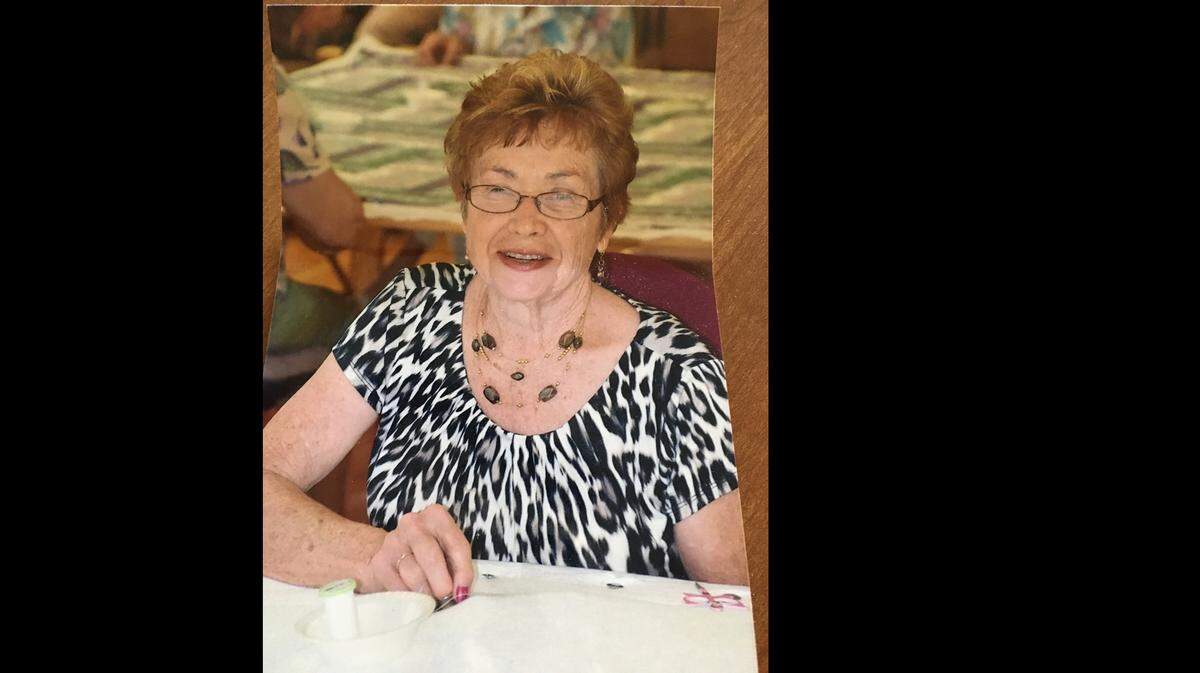
The key to coping with coronavirus restrictions is staying busy, said Marlene Herrmann, 79, a homemaker and former bank employee who lives in Millstadt with her husband, Gene.
“I’m doing good,” she said. “I quilt, for one thing. My granddaughter is getting married in September, so I’m hemming a quilt that I made for her. I’m cleaning out cupboards, and I go to (a rehab center) for therapy. I’m still allowed to do that.
“I live next door to the park, so I walk when the weather is suitable, and I call different people that I know are homebound or have health issues. I’m plenty busy.”
Betty Schranz, 82, of rural Millstadt, also talks on the phone quite a bit. She watches TV, plays solitaire on her iPad and “piddles” around the house. It helps that two of her daughters live down the road.
Many websites are offering tips on staying sane while quarantined during the coronavirus pandemic. The American Association of Retired Persons has developed a list of seven things friends and family members can do to “boost your loved one’s morale.”
They include sharing a virtual meal, utilizing delivery services, creating a FaceTime book club, ordering a custom jigsaw puzzle, playing a board game, assembling a hobby box and sending “snail mail.”
“Handwritten cards and letters are more special than ever, perhaps because electronic communication is increasingly supplanting them,” AARP explains. “Recipients can display the cards and re-read correspondence to remind themselves that you care.”
This story was originally published March 26, 2020 at 10:46 AM.