Opioid death rates soar in the metro-east. Addiction often starts with a prescription
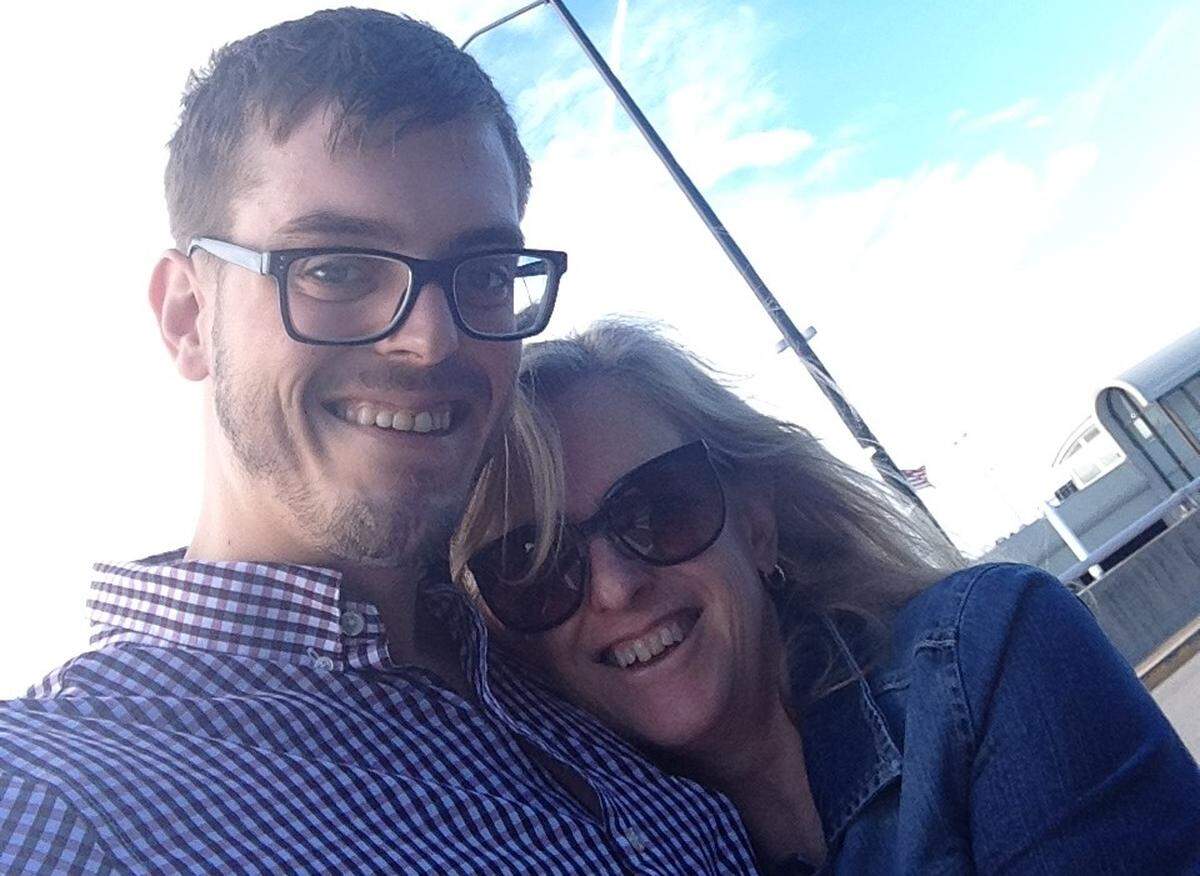
Ann Raines didn’t give it a second thought when an oral surgeon prescribed an opioid to help her 15-year-old son, Ryan, deal with pain from getting his wisdom teeth removed.
But that was the beginning of an 11-year addiction that ended with his death from a drug overdose.
On Feb. 16, 2017, Ann was in bed when her husband, Greg, arrived at their Caseyville home after working a late shift as an electrician. He found his only child unconscious on the bathroom floor with a needle stuck in his leg. Ryan was pronounced dead at Memorial Hospital in Belleville. He was 26.
“The craving for heroin is so strong,” said Ann, 61, an accountant. “It makes everything else disappear. They want it more than food or water.”
Ryan was a heroin user, Ann said, but police told her he died of a fentanyl overdose and probably didn’t know what he was injecting. Fentanyl is a powerful synthetic opioid sometimes produced and sold illicitly and mixed with or substituted for heroin.
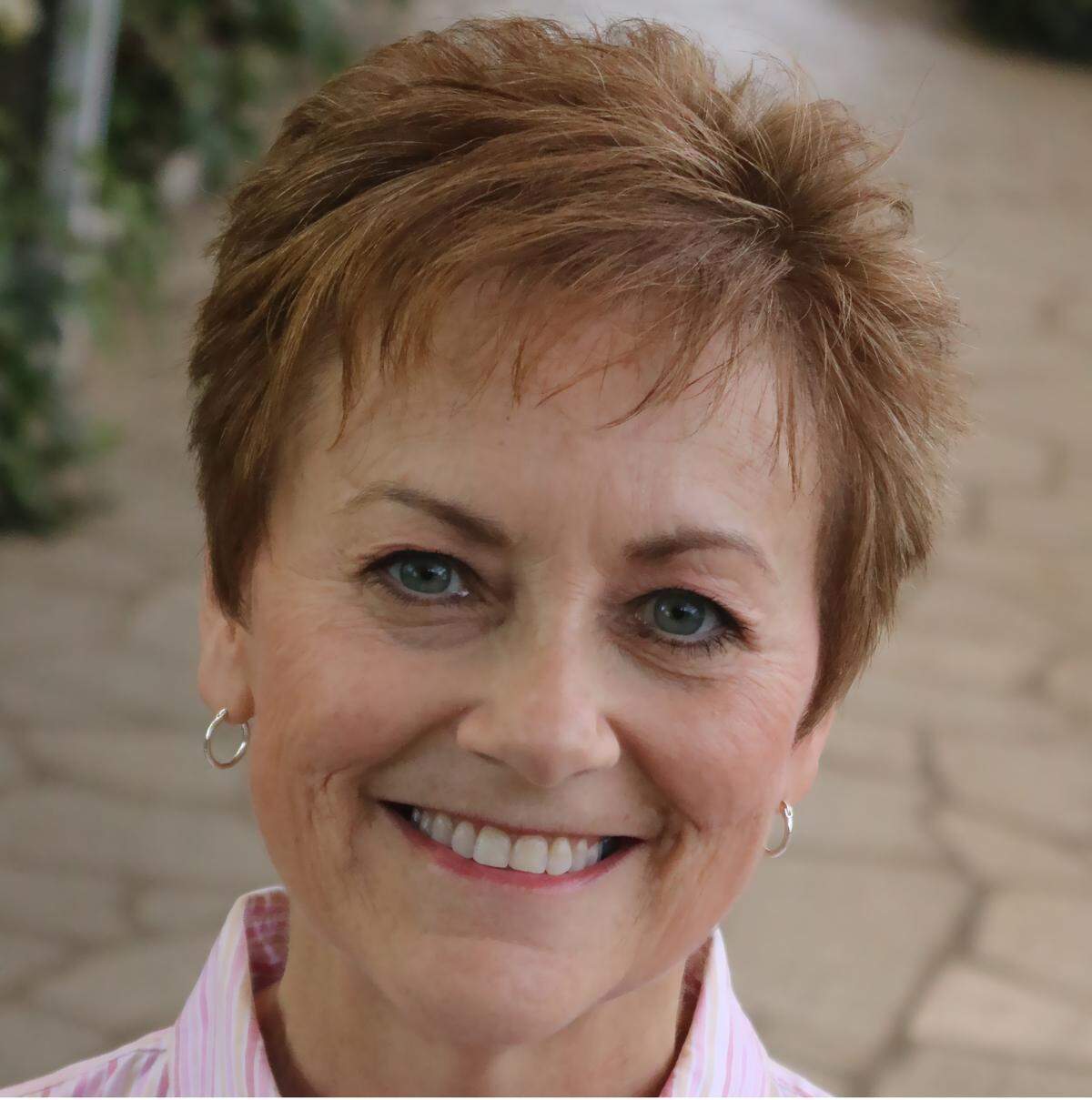
The Raineses and six other families are sharing their stories in a new book, “Heartbroken: Grief and Hope Inside the Opioid Crisis.” It was self-published by author Ellen Krohne, 63, of rural Okawville, a former Illinois Power executive and retired director of Leadership Council Southwestern Illinois.
The book makes clear that the national opioid epidemic has reached the metro-east, particularly Madison County, creating painful challenges for parents, teachers, counselors and others.
Most people who die of opioid overdoses are 25 to 44 years old, but many start using as teenagers, before they really understand what they’re doing, Krohne said.
“It’s impacting everybody, especially white males.”
Addiction on the rise
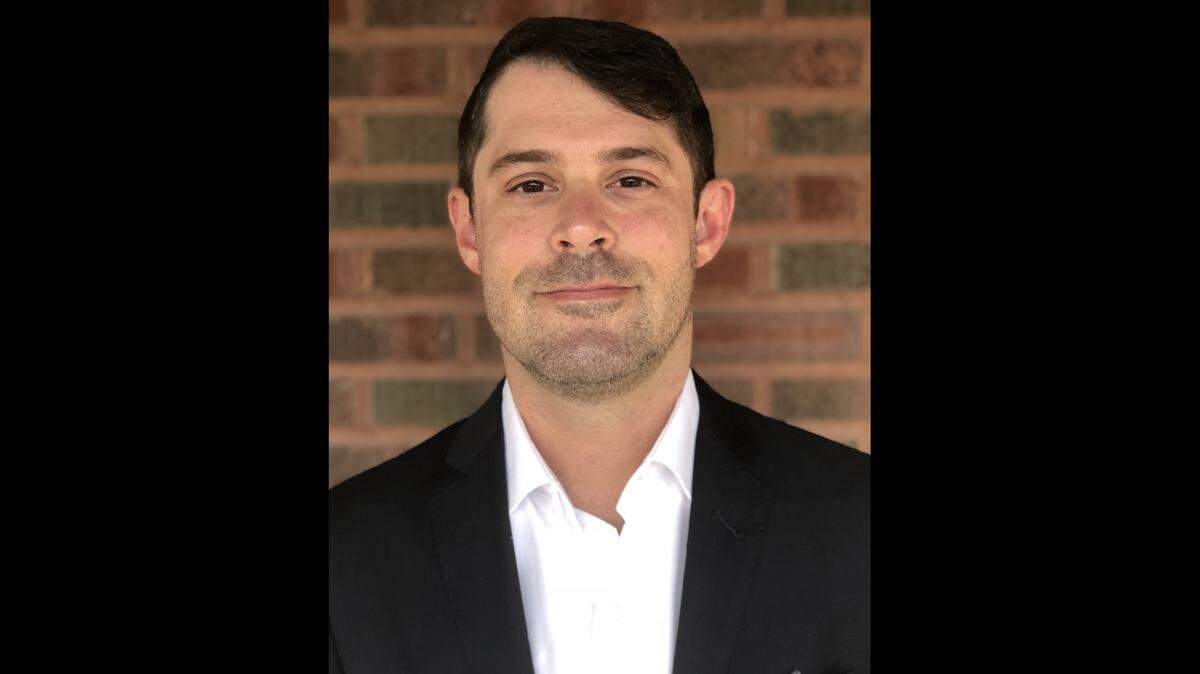
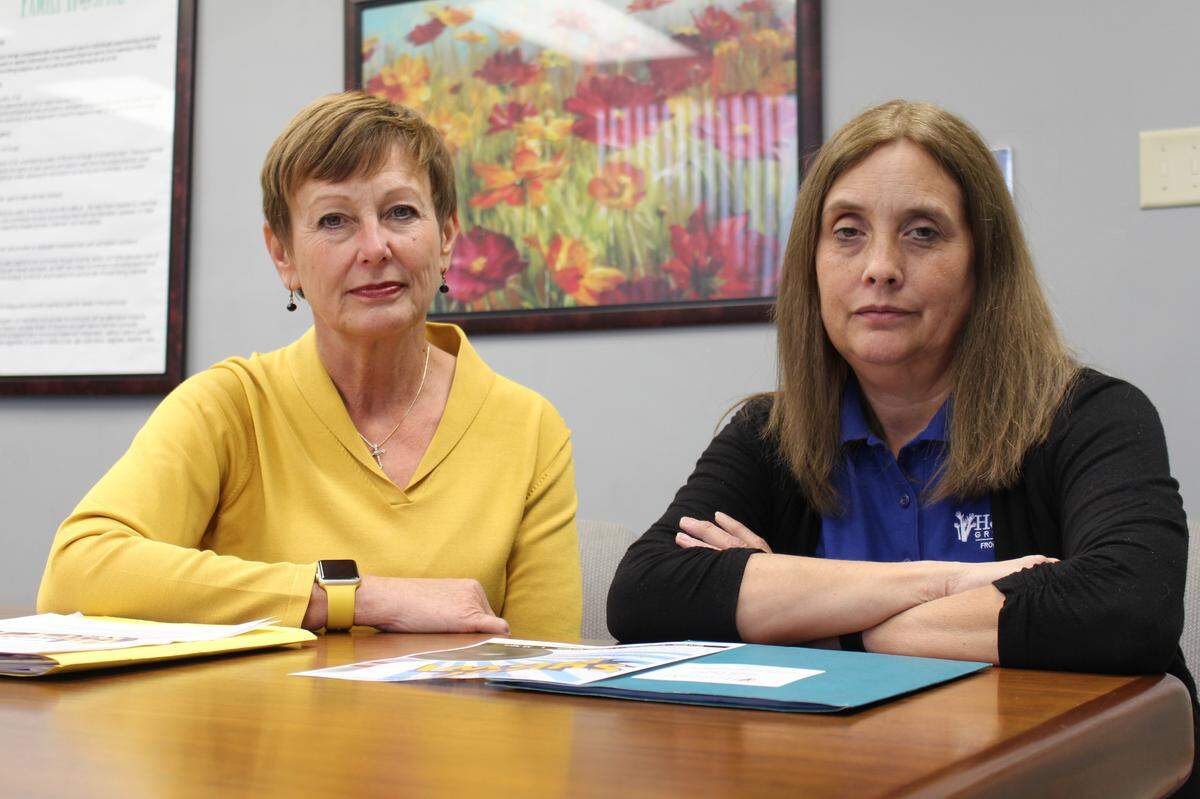
Krohne wrote “Heartbroken” with co-authors Matthew Ellis, 37, of St. Louis, an epidemiologist at Washington University School of Medicine who has studied the opioid epidemic for more than a decade; and Diana Cuddeback, 55, of Caseyville, a family therapist and director of Heartlinks Grief Center in Belleville.
All book proceeds go to Heartlinks, a program of Family Hospice. Krohne is a board member and volunteer.
The United States set a record with more than 47,600 deaths from opioid overdoses in 2017, according to Ellis. That includes heroin, fentanyl and prescription painkillers such as oxycontin, dilaudid and morphine.
“Despite two decades of opioid research, policy, intervention, prevention and education, the opioid overdose rate has not declined, nor even leveled off,” Ellis wrote in the book. “In fact, the past few years have seen the greatest year-on-year increases of opioid overdose fatalities.”
The Madison County opioid death rate went from 8.3 deaths per 100,000 population in 2006 to 32.1 in 2017, when 82 people died of opioid overdose. That compares to 21 people in St. Clair County.
The Madison County rate of 32.1 deaths per 100,000 population in 2017 compares to the national rate of 14.9, the Illinois rate of 17.2, the Missouri rate of 16.5, the St. Clair County rate of 8.8 (which dropped from 10.9 in 2015), the St. Louis County rate of 27.6 and the St. Louis city rate of 60.3.
“In 2015, with a rate of 25.9, Madison County had the highest opioid-overdose death rate in the state,” Ellis said.
Experts have found significant correlations between opioid death rates and access to treatment facilities, he added. Public-hospital programs are sometimes the only options in rural areas, but they fill up, and addicts with no health insurance or family support can’t afford to travel out of state.
Isolation and grief
Cuddeback became founding director of Heartlinks in 1997, and she’s been leading support groups for people who have lost loved ones ever since. But until recently, only one or two clients a year were reporting losses due to drug overdose.
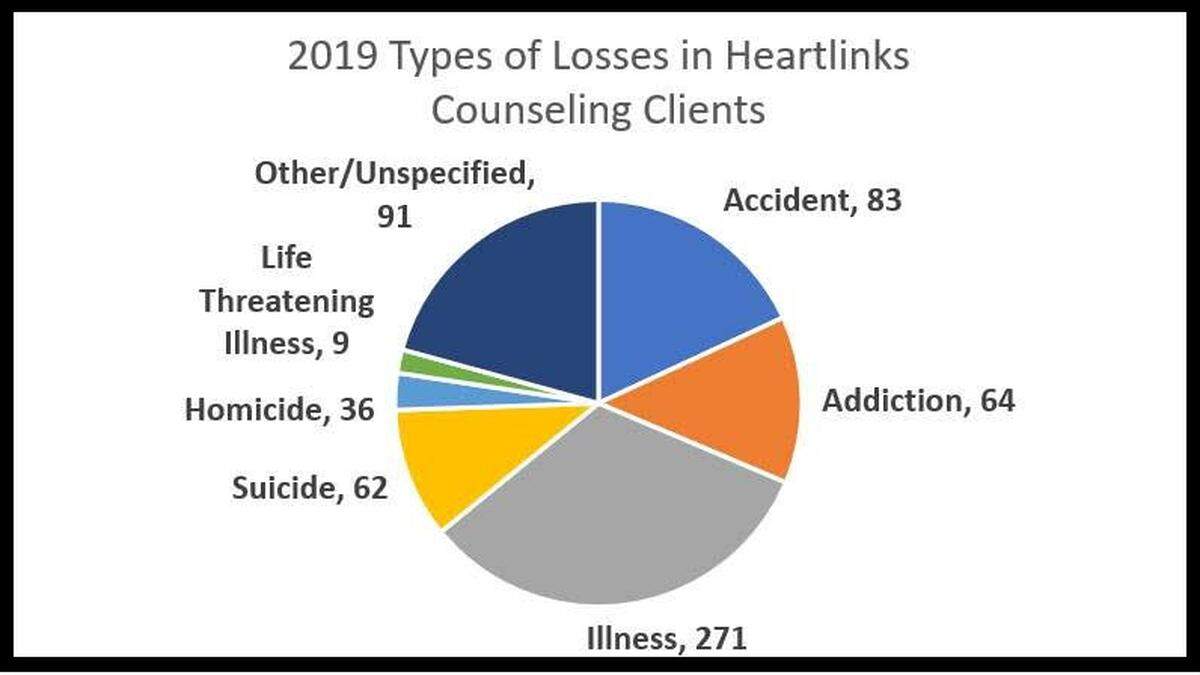
About 10 clients reported such losses in 2016, prompting the staff to add “addiction-related loss” to their list of causes of death on intake forms and to create a separate Addiction Loss Support Group. That number grew to 50 clients in 2017, 57 in 2018 and 64 this year.
“(People using opioids) don’t look like drug addicts,” Cuddeback said, forming air quotes around the term. “They’re our children, our parents, our husbands, our wives, our nieces, our nephews, our neighbors and our friends. It can happen to anybody.”
Heartlinks clients include people who are raising grandchildren after losing grown children to opioids, as well as children caring for addicted parents. Some of the kids have revived adults by administering Narcan nasal spray, which contains the emergency overdose-reversal medication naloxone.
In the past year, Cuddeback has noticed that the number of fentanyl-related deaths are surpassing heroin-related deaths in the cases she handles.
One of the reasons that Heartlinks formed the Addiction Loss Support Group is that staff members observed key differences in the grieving process for people coping with drug-related deaths and those who have lost loved ones due to illness, accidents or old age.
“Most people (dealing with drug-related deaths) have been fighting the battle for years,” Cuddeback said. “As parents, they’re doing everything they can to save their children. They think about it every minute of every day, and they’re just waiting for the phone call.
“And their grief is often devalued. People will say, ‘Well, you knew it was coming,’ or ‘Well, they did it to themselves.’ There’s a lot of silence. It’s a very stigmatized death. People don’t want to bring it up, so there’s also some social isolation.”
Eye-opening talk
“Heartbroken” is Krohne’s second book. In 2017, she self-published “We Lost Her: Seven Young Siblings’ Emotional and Spiritual Real-Life Grief Journey After Their Mother’s Tragic Death,” based on her own family experience.
Krohne became interested in the opioid crisis after attending a “ladies night out” sponsored by Washington County Health Department in early 2018. A speaker shared statistics that took her by surprise.
“There were 15 drug-related deaths in this county in the last five years, eight of which were from opioid overdoses, and three specifically from heroin,” Krohne wrote in the book. “Prior to 2013, there were almost no overdose deaths. I went home in shock that my little part of the world was so heavily impacted.”
Krohne wanted to learn more about the problem. Cuddeback connected her with families in the Addiction Loss Support Group who were willing to share their stories, either openly or anonymously.
After months of interviews and research, Krohne began to see addiction as less of a lifestyle choice and more as a disease that can affect any family. She wrote the book to educate people about what’s going on, give tips for prevention and advocate for more treatment options.
Krohne is particularly concerned about opioid use among adolescents and teenagers.
“Drugs or alcohol can alter a child’s brain permanently,” she said. “It affects judgment, decision-making and self-control. It changes the way they think.”
Parents often see signs of opioid use among children, but they don’t act on it.
“They noticed that he was sleeping all the time, but they just thought it was because he was a teenager,” Krohne said. “They noticed that he was getting careless in his grooming, but they just thought it was because he was busy. They noticed that money was missing, but they just thought they must have spent it.”
Mother fights stigma
Ryan Raines was attending Collinsville High School when his oral surgeon prescribed the opioid in 2006, and he loved the feeling. When he ran out of pills, he bought them at school, his mother said. Then he switched to heroin, which gave him a similar high for less money.
In 2007, Ryan overdosed in a park, shocking his parents. The next 10 years was a roller-coaster of rehabs, “slip-ups” and periods where he stayed clean for months. For a time, he attended Southern Illinois University Edwardsville.
“Ryan was effectively two different people,” Ann Raines wrote in the book. “One was our wonderful Ryan, our sincere, caring, funny, smart son. The other was Heroin Ryan. ... He was sloppy, irrational, a liar. Heroin Ryan would do anything to get his drugs.”
The Raineses often practiced “tough love,” not allowing Ryan to stay at their house if he was using and refusing to go to rehab.
In early 2017, Ann thought Ryan was finally getting his life together. He had enrolled in a job-training program for computer coding and was working at a vegetarian restaurant in St. Louis. He spoke of returning to college and becoming a philosophy professor. Then he died on the bathroom floor.
The family didn’t talk publicly about Ryan’s addiction when he was alive.
“People think if you’re an addict that you’re low-class, uneducated and weak, and that was not Ryan,” Ann said. “... Everybody looked up to him. He was a good guy with a terrible disease.”
Ann is sharing her story now in hopes that an open dialogue will reduce the stigma of addiction, encourage addicts and families to seek treatment and other help, discourage doctors from prescribing opioids to young people and warn teenagers about the dangers of drug use.
“Addiction is a forever thing, especially when they start young like that,” she said. “The drugs create new pathways in their brains. It sends you to a different place, and you have to fight your way back.”
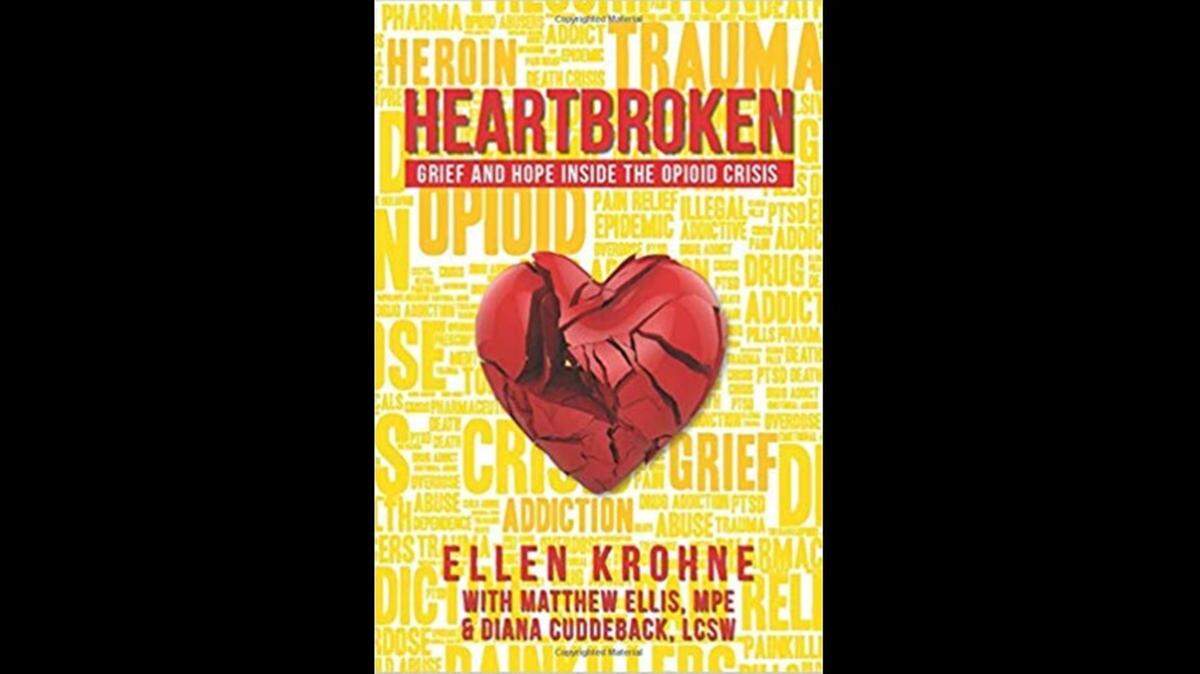
“Heartbroken: Grief and Hope Inside the Opioid Crisis” sells for $15.95. Heartlinks Grief Center gets a bigger donation when copies are purchased at its office at 5110 W. Main St. in Belleville. Hours are 8:30 a.m. to 4:30 p.m. Mondays through Fridays or by appointment. For more information, call 618-277-1800.
The book also is available through Amazon.
This story was originally published December 16, 2019 at 5:05 AM.