St. Clair County historian who recovered from COVID-19 calls it ‘absolutely awful’
St. Clair County has been hit with several epidemics and pandemics over the past 200 years, and Will Shannon has studied all of them.
But he didn’t expect to become personally involved.
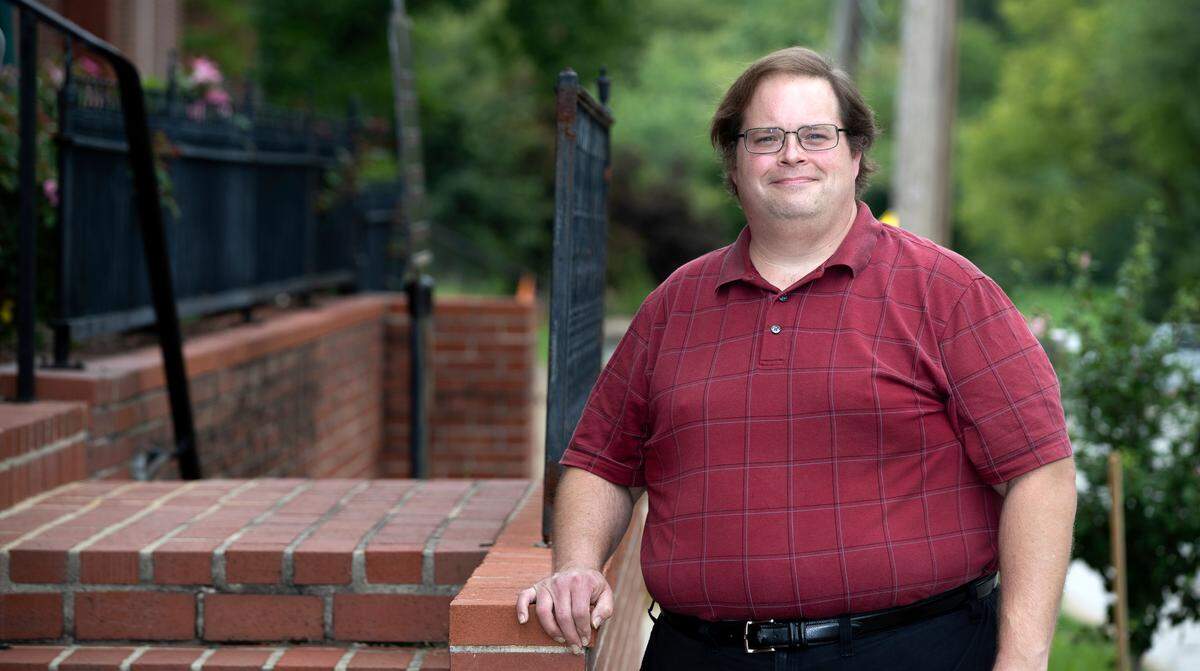
Shannon, curator for St. Clair County Historical Society, recovered this spring from COVID-19, the respiratory disease that was declared a pandemic in March and has killed more than 700,000 people worldwide.
“I’ve never been sick like that in my entire life,” he said. “Even when I was a kid and got strep throat or the flu, I just never remember anything feeling like that.”
Shannon’s wife, Melissa Karaffa, contracted the coronavirus at the same time. They were quarantined in May. Both are mostly recovered.
“I don’t feel any less tired than I normally do,” said Shannon, 42, of Belleville. “But my wife, she is still having some lingering fatigue. Now it certainly could be from something else, but that is atypical for her.”

Initially mistaken for allergies
Shannon began sneezing and feeling congested in early May. He assumed it was caused by seasonal allergies, which he suffers from every spring. But in this case, over-the-counter medications weren’t helping.
Then Karaffa developed headaches and fevers over 100 degrees, and both lost their senses of taste and smell.
Karaffa, a psychiatric nurse practitioner at a mental-health clinic, took a coronavirus test at DePaul Hospital in St. Louis, and it came back positive. Shannon didn’t feel it was necessary to get tested. St. Clair County Health Department instructed the couple to quarantine for two weeks and assigned a nurse to check on them every day by phone.
Shannon got headaches, too, then came severe fatigue. Even taking the couple’s two dogs for a walk was a huge challenge.
“The best way I can describe it ... If you’ve ever had an X-ray, and they put that lead vest on you, like at the dentist or something, imagine wearing one of those all the time, and you can’t take it off,” Shannon said.
“At its worst, I was pretty much sitting there wondering if I had the strength or the wherewithal to stand upright.”
A disease to ‘devoutly avoid’
By the second week of quarantine, Shannon and Karaffa were starting to feel better.
He went back to working from home, which he had been doing since March 13 due to COVID-19. She saw patients remotely for 10 days before returning to the clinic.
“I got better just in time for allergy season to actually start, but it was almost weirdly comforting,” Shannon said. “I’m like, “OK, here’s health stuff that I know how to deal with. I’ve dealt with it since I was a kid.’ It was like, ‘Oh boy, a sinus headache. I know what to do for that.’”
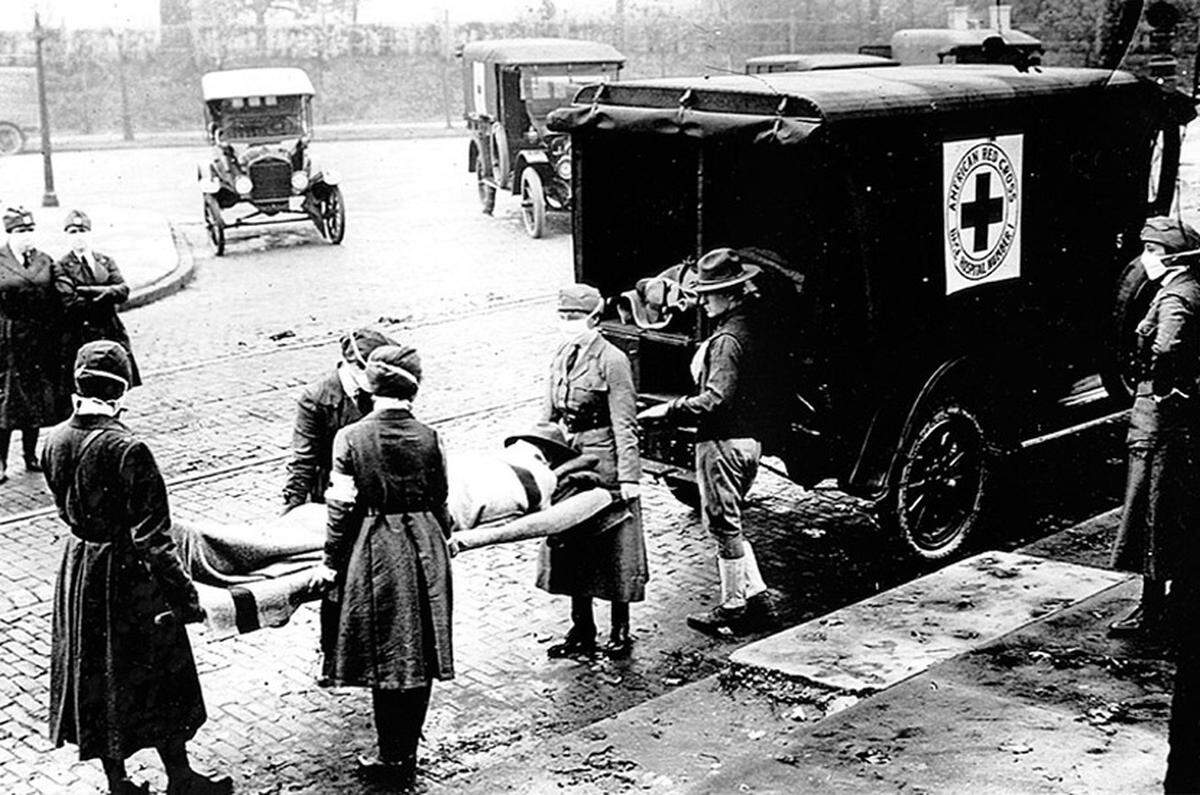
In recent weeks, Shannon has been researching the 1918 influenza pandemic for a presentation. That virus killed about 50 million people, including nearly 700,000 in the United States, according to the U.S. Centers for Disease Control and Prevention.
St. Clair County also was heavily affected by cholera epidemics in 1833 and 1849.
Looking back, Shannon calls the coronavirus experience “scary” because he and Karaffa didn’t know if their symptoms would worsen and require hospitalization.
“It was absolutely awful,” Shannon said. “I wouldn’t wish that on anybody. Imagine a weight on your chest that won’t go away, and you’re so tired, you can’t move. It’s just miserable. It’s very real. Anyone who would say, ‘Oh, I’m going to get it and just recover,’ I mean, that may be true, but it’s an experience to devoutly avoid.”