An ex-Belleville bishop becomes a cardinal. Southern IL trained him for the job.
The Most Rev. Wilton D. Gregory may be an archbishop in Washington, D.C., and one of the pope’s recent choices for elevation to cardinal, but in Southern Illinois, he’s known as a down-to-earth and beloved pastoral leader who guided the Catholic Diocese of Belleville through one of its most difficult periods.
The Chicago native served as Belleville bishop from 1994 to 2005, before being appointed archbishop of Atlanta, Georgia. He moved on to Washington last year.
Gregory made international headlines last Sunday, when Pope Francis announced that Gregory would become one of 13 new cardinals in the Catholic church. That will make him the first African American to hold the high-ranking post.
“It’s been a wild ride, as they say, but a good ride,” he told the BND on Friday. “I’m very grateful for all the things that God has done for me and with me.”
Gregory, 72, will be officially elevated during a Nov. 28 ceremony at the Vatican, according to the Catholic Archdiocese of Washington. From that day until his 80th birthday, he would be eligible to vote in a papal election.
Gregory took time for a telephone interview with the BND on Friday morning, despite a packed schedule of TV appearances and other national media. He emphasized that his work in Southern Illinois and the people he met during his 11 years as bishop have had a lasting effect on his life and ministry.
“I still love the folks in Belleville,” he said.
Rural training ground
Gregory was ordained in 1973 in the Catholic Archdiocese of Chicago. He served as a parish priest for three years, a faculty member at Mundelein Seminary at University of St. Mary of the Lake and an auxiliary bishop.
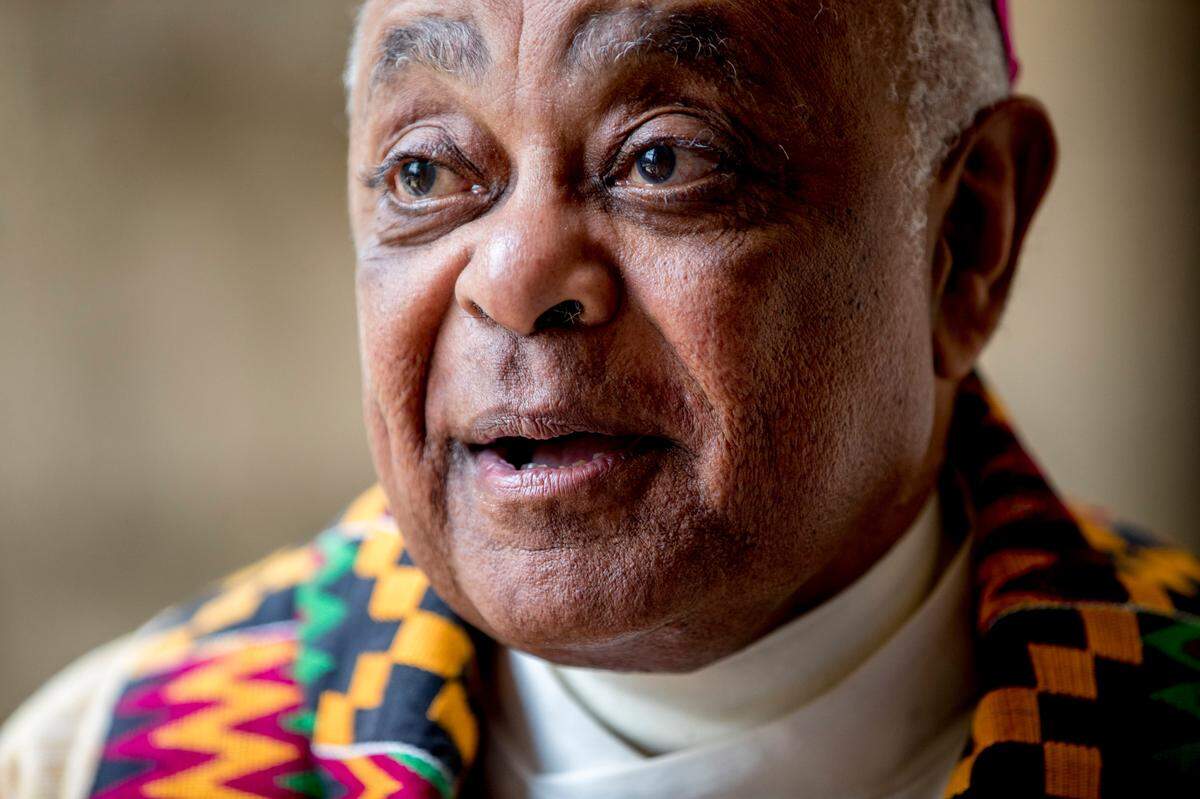
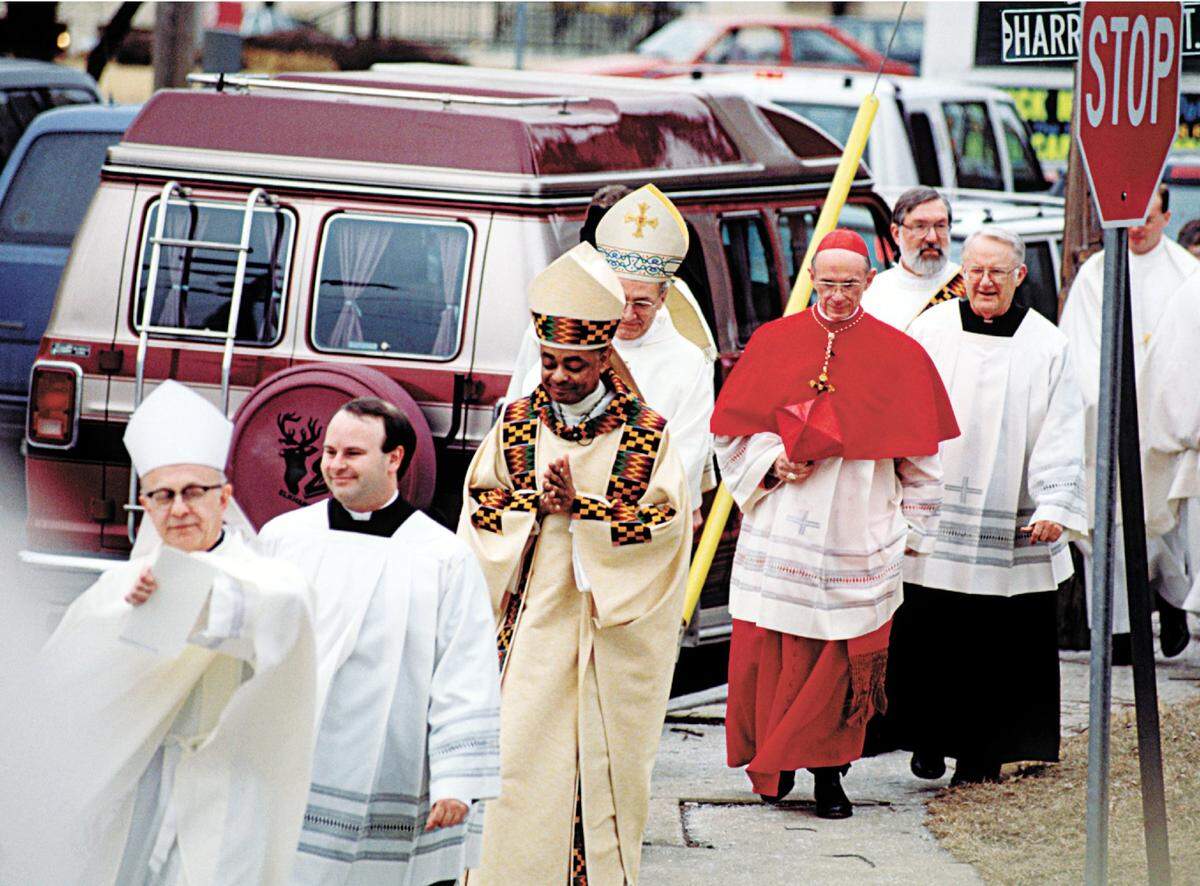
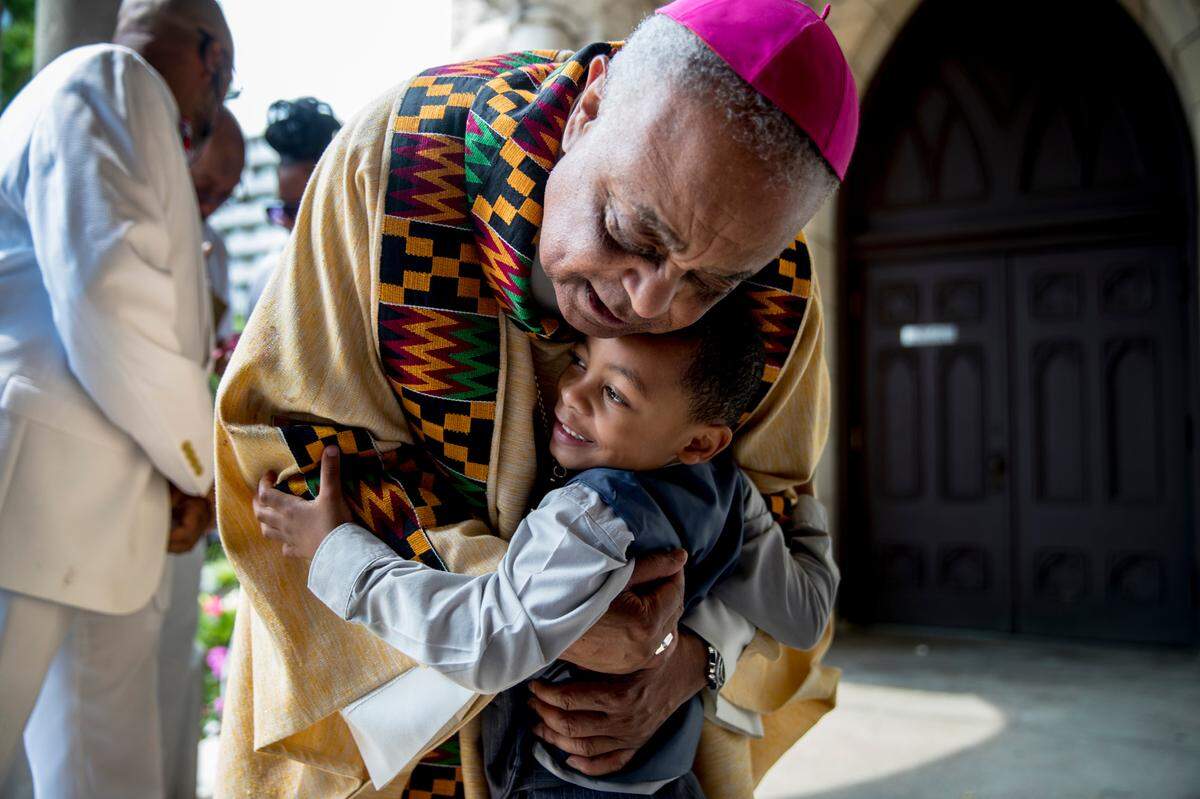
Gregory was installed as the seventh bishop of Belleville on Feb. 10, 1994, replacing the Most Rev. James P. Keleher, who became archbishop of Kansas City. Gregory wore African kente cloth for his installation.
“In all candor, when I went to the Diocese of Belleville as bishop at the end of ‘93 and the beginning of ‘94, it was my first exposure to the wonderful faith life of rural and small-town America,” he said Friday. “... I was a city kid. I had to learn to love and appreciate the great gifts of faith and kindness and charity of rural Catholics, and I did, and I consider those almost 11 years as a great training ground.
“It was the first time I was a diocesan bishop, so I was obviously given the responsibility, the pastoral responsibility, of caring for the people of God in the diocese as their bishop, not their auxiliary bishop, but as their bishop, and it taught me so much about the level of faith that I found there in that wonderful community, and I praise God for it because it helped to form me and shape me to be the bishop that I am.”
‘Embarrassing and sad’
The biggest challenge facing the Belleville diocese in the early 1990s was a priest sexual-abuse scandal.
In the year preceding Gregory’s appointment, Keleher removed 10 clergymen from ministry due to “credibly substantiated allegations of the sexual abuse of minors or serious sexual misconduct with adults.” Gregory removed six more in the next eight years.
“It was really an embarrassing and sad moment for the church,” he said Friday. “I met with many people over the course of those 11 years who had been harmed, either them personally or members of their family, so it gave me an insight into the way we should respond to people when they come forward.
“It also gave me an insight into how to be very direct, clear and decisive in taking members of the clergy, religious church workers, out of the way of being able to harm children in the future. So those were hard lessons, but I think they were very important lessons for me, and I know I have relied on those experiences in my service to the church since then.”
While in Belleville, Gregory also served as president of the U.S. Conference of Catholic Bishops, which adopted a zero-tolerance policy for abusive priests under his leadership.
Last Belleville visit
The Rev. Michael G. McGovern was installed as Belleville’s ninth bishop on July 22, replacing now Bishop Emeritus Edward K. Braxton. McGovern grew up in Chicago and attended Mundelein Seminary before serving as a parish priest for more than two decades.
Gregory traveled from Washington, D.C., to be part of McGovern’s installation.
“It was important, first of all, to rejoice with the Diocese of Belleville at the reception of the new bishop, a wonderful man of faith, and in truth he asked me to try and make the trip to be with him and the Belleville diocese, so I was happy to do that,” Gregory said Friday.
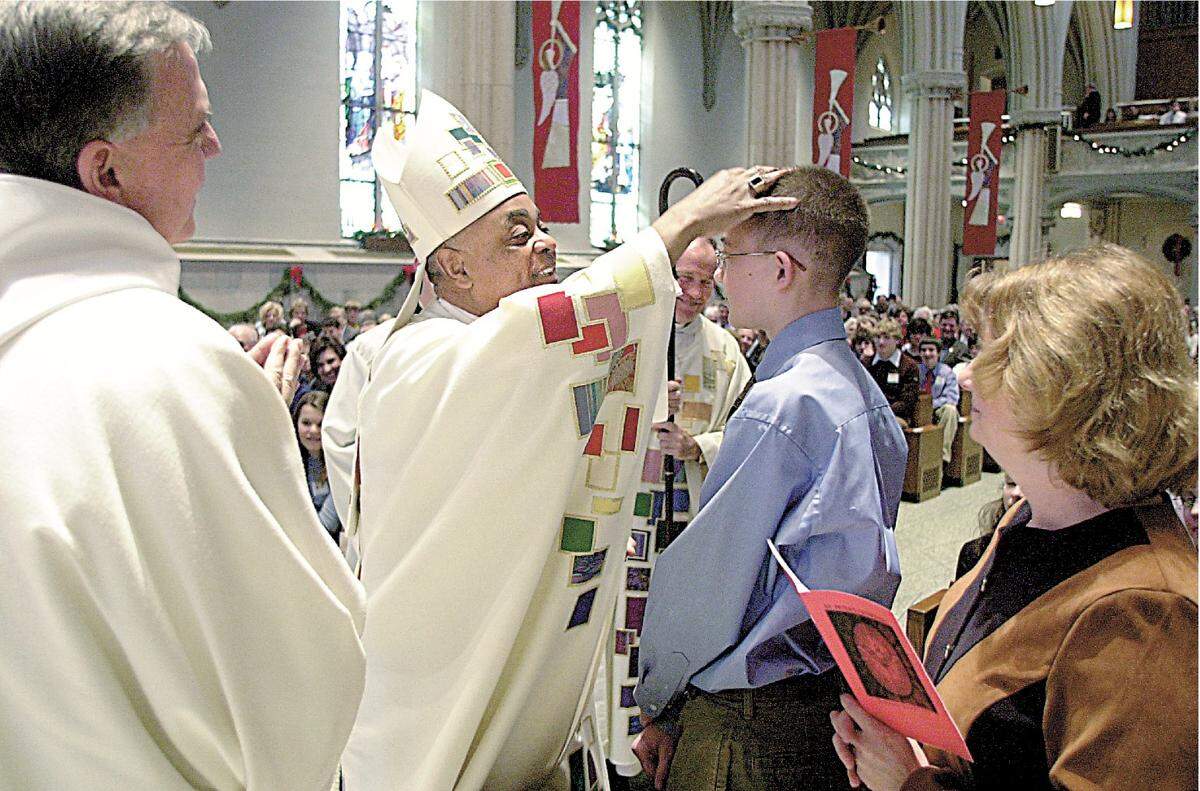
“I was also glad to see so many folks in a limited period. I just flew in that morning, and I was there for the luncheon and there for the ceremony of ordination and episcopal installation, and then I came back to Washington that evening. So it was a one-day visit, but it did my heart a lot of good to see the people that I had grown to know and grown to love rejoice in receiving a new bishop, as they had warmly received me on Feb. 10, 1994.”
‘A wonderful fit’
Gregory didn’t know McGovern before Pope Francis appointed McGovern as bishop.
McGovern, 56, was ordained in the Chicago archdiocese in 1994, about three months after Gregory left for Belleville. McGovern attended Mundelein Seminary, years after Gregory taught at the school from 1980 to 1983.
“I didn’t know (McGovern), although ... I had heard very wonderful things about him from friends in Chicago, and they spoke very highly of him,” Gregory said Friday. “He’s really a gentle pastor and a very loving shepherd. I know he will be good for the Diocese of Belleville. He’s a pastor, and he brings with him that gentle pastoral approach to people and to issues, and I think it’s a wonderful fit.”
Lessons over time
On Friday, Gregory spoke of lessons he learned by serving as a parish priest and seminary teacher in his hometown of Chicago, bishop of a largely rural diocese in Southern Illinois and archbishop in Atlanta and Washington, D.C., where some of the most powerful people in the world live and work.
His conclusion? “People are basically the same,” he said. “What they’re looking for are parish priests who care for them, love them, know them, support them and are genuine with them.”
Gregory has made social issues a priority, encouraging respect for those in the LGBTQ community, emphasizing the importance of Black history and arguing that anti-abortion efforts can’t be the sole focus of Catholic political activism.
Gregory publicly criticized President Donald Trump in June, when Trump and the first lady visited St. John Paul II National Shrine in Washington, a day after police had forcibly cleared peaceful Black Lives Matter protesters so Trump could pose for a photo at St. John’s Episcopal Church, holding a Bible. Gregory called it “reprehensible.”
Life as a cardinal
The Catholic church now has 219 cardinals from all over the world, but 97 are 80 years old or above, making them ineligible to vote in papal elections to replace popes who have died or stepped down, according to a Vatican directory.
Gregory will continue to serve as archbishop of Washington after he’s elevated to cardinal in November.
“I think a lot of people maybe have the impression that when you receive an appointment like this, it comes with a letter of instruction, (saying) you are to do this, you are to do that,” he said Friday. “... It comes with the Holy Father’s appointment, with his support, and we have to grow in our knowledge of what those responsibilities will be.
“That was true when I went to Belleville as the diocesan bishop. It was true when I came to Atlanta as the archbishop of Atlanta, and it was true when I arrived here in Washington. They don’t give you a playbook. They ask for you to learn and to make yourself available to the people, and now I make myself available to Pope Francis, to be of assistance to him in whatever way he will require of me.
“So how is it going to change my life? Simple answer: I don’t know. But I’m happy to make myself available to the Holy Father and to support his ministry in ways that he would ask of me.”
This story was originally published November 1, 2020 at 7:00 AM.