Most southwest IL hospitals still offering elective surgery despite COVID-19 surge
The vast majority of metro-east hospitals will continue offering elective surgeries and procedures for now, believing they can handle the load despite recent surges in the region’s number of COVID-19 cases.
Their plans were left intact Tuesday, when Illinois Gov. J.B. Pritzker ordered tougher statewide coronavirus restrictions but strayed from his original Restore Illinois mitigation plan by not changing the rules for hospitals.
“If they come around tomorrow and tell us that we need to stop elective surgeries, we’ll do that,” said Beth Ann Gailey, spokeswoman for Gateway Regional Medical Center in Granite City. “But right now, they’re saying as long as we have enough staff, bed availability and (personal protective equipment) to take care of those patients, we can do it.”
Gailey said some people scheduled for knee or hip replacements may be in severe pain while those who have met insurance deductibles want to go ahead with procedures before the end of the year to lower out-of-pocket costs.
There is no absolute definition of “electives” in the health-care industry. The term is generally used for cataract removal, ligament or hernia repair and other surgeries and procedures that can be scheduled in advance, unlike those required after a heart attack, accident, stroke, appendicitis or other emergency.
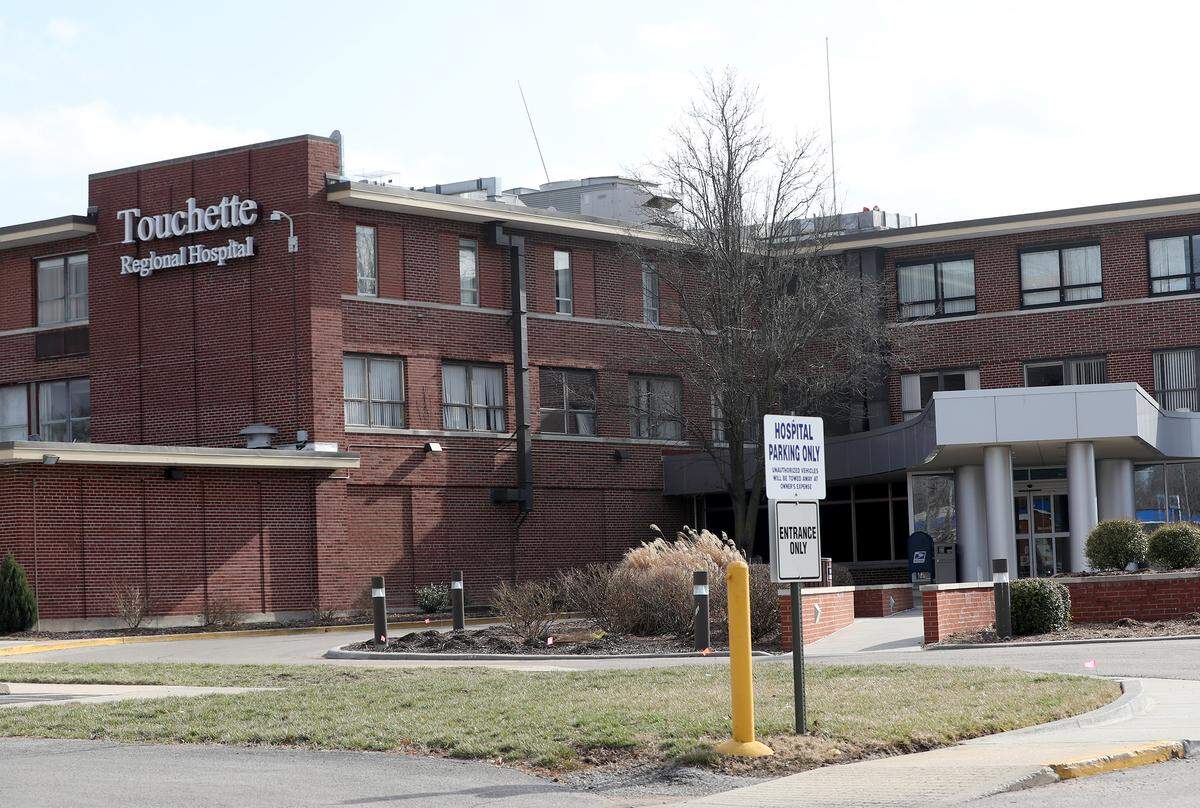
Hospitals in Metro East Region 4 under the Restore Illinois plan that are continuing to offer all electives include St. Elizabeth’s Hospital in O’Fallon, Touchette Regional Hospital in Centreville, St. Joseph’s Hospital in Highland, St. Joseph’s Hospital in Breese, Red Bud Regional Hospital, Washington County Hospital in Nashville, Pinckneyville Community Hospital, St. Anthony’s Hospital in Alton, St. Mary’s Hospital in Centralia, Holy Family Hospital in Greenville and Gateway.
On Nov. 10, Anderson Hospital in Maryville postponed elective surgeries scheduled through Nov. 30 that would have required patients to stay overnight, said spokeswoman Natalie Head, noting the move was prompted by an increase in COVID-19 admissions.
“If there’s an elective surgery that’s not life-threatening, we need the bed for the people who need to be in the hospital right now,” she said.
Elective procedures that don’t require overnight stays are going forward as planned at Anderson, although Head called the situation “fluid.” Officials will re-evaluate before deciding what happens after Nov. 30.
Sparta Community Hospital also is postponing some elective surgeries that require an overnight stay but continuing with those that are outpatient. Memorial Hospital in Chester is evaluating on a day-by-day basis. Community Hospital of Staunton didn’t offer elective surgeries before COVID-19 and isn’t offering them now.

15 hospitals involved in BJC decision
Three metro-east hospitals — Memorial Hospital Belleville, Memorial Hospital East in Shiloh and Alton Memorial Hospital — started postponing elective surgeries and procedures on Monday. The directive came from their St. Louis-based owner, BJC HealthCare, which emailed the following news release:
“As COVID-19 cases continue their dramatic climb in our region, it is essential we take additional steps to prepare our hospitals and assist our caregivers in delivering the best care possible for our patients and their families. After careful review of the current trends and projected hospitalizations, BJC HealthCare will postpone elective procedures and surgeries that can safely be postponed for at least eight weeks at all our 15 hospitals and ambulatory settings.”
Anne Thomure, spokeswoman for the Belleville and Shiloh hospitals, referred questions to Laura High, BJC media relations manager in St. Louis, who declined to comment beyond a letter to the community on the system’s website.
The letter stated that COVID-19 admissions are higher than they’ve ever been at BJC hospitals, and officials expect more people to end up at their emergency rooms, on their patient floors and in their intensive-care units.
“We must take this drastic measure (of suspending elective surgeries and procedures) both to increase our hospital capacity and ensure we have the staff available to continue providing exceptional care for our patients,” the letter reads. “An available room means nothing if there is not a nurse at the bedside.”
Most of BJC’s hospitals are in the city of St. Louis, St. Louis County and other parts of Missouri, which have seven-day rolling average positivity rates on coronavirus tests of 16.8%, 19.4% and 22.6%, respectively, as of Friday. That compares to 16.1% in Illinois’ Region 4, which includes Madison, St. Clair, Washington, Bond, Clinton, Monroe and Randolph counties.
BJC’s reference to having a “nurse at the bedside” alludes to another factor that figures into decision-making during a pandemic.
“In general, we are seeing a higher-than-normal volume (of patients),” said Steve Tomaszewski, corporate director of communications and development planning at Touchette Regional Hospital. “The other half of this equation is not necessarily whether there’s bed space, but do you have the staffing capabilities for utilizing those beds?”
Staff availability at all hospitals has been affected by the necessity to quarantine some nurses and other medical workers who have tested positive for the coronavirus or been exposed outside of work, he said.
Positivity rates on coronavirus tests aren’t the only criteria that can lead to mitigations under the Restore Illinois plan. Another one is availability of regular hospital beds and ICU beds. The threshold is 20% of capacity, based on how many beds can be staffed and how many of those beds are being used.
Region 4 dropped below 20% on regular hospital beds for the first time Wednesday with 16% availability, meaning 84% were being used. The rates stood at 15% and 85%, respectively, on Friday. Some 22% of ICU beds were available.
Hospitals spared by new restrictions
Pritzker ordered a widespread state shutdown in mid-March, when COVID-19 was declared a global pandemic. That included a suspension of all elective surgeries and procedures at hospitals that stayed in effect until May 11.
The Pritzker administration created the Restore Illinois plan to safely restart the economy, listing three tiers of “resurgence mitigations,” which were restrictions that could be imposed when regions regressed and surpassed an 8% threshold for seven-day rolling average positivity rates on coronavirus tests.
Suspension of elective surgeries and procedures originally was part of Tier 2 and Tier 3 mitigations, but it wasn’t mentioned when Pritzker began imposing Tier 2 on regions this fall and Tier 3 for the whole state on Tuesday.
That was welcome news for Dr. Vinay Bhooma, chief medical officer at St. Elizabeth’s Hospital in O’Fallon, St. Joseph’s Hospital in Highland and St. Joseph’s Hospital in Breese, which are operated by the Springfield-based Hospital Sisters Health System. He dislikes the idea of government officials broadly suspending elective surgeries and discourages patients from thinking that elective procedures are unimportant.
“Patients really should not be judging, ‘OK, this is an elective. I think I could wait,’” Bhooma said. “... They need to seek medical care and be seen by a physician, and the physician can decide when and how they should be treated.”
This summer and fall, HSHS doctors reported that conditions of some patients worsened after their elective surgeries or procedures were delayed in the spring, causing treatment to become more complicated or take longer, Bhooma said. He gave the example of gallbladder removals that could have been done laparoscopically but ended up requiring more invasive techniques.
Knee and hip replacements are considered elective surgeries, and medication helps with chronic pain, Bhooma said, but in some cases, joints can become infected.
“Another thing we have to think about ... Some of these patients have been waiting so long (for elective surgeries), and now if they have to wait further, probably that’s not a good thing from the patients’ perspective,” he said. ”That might worsen the situation.”
Bhooma said he’s also concerned about people not going to emergency rooms or making doctor appointments when they’re having problems because they think they’ll get the coronavirus. He noted that even minor chest or abdominal pain could be caused by a heart blockage, ruptured appendix or perforated bowel.
Bhooma said the public shouldn’t be afraid to go to the hospital, even during a pandemic.
“I feel safer working at the hospital than going to any of the grocery stores,” he said. “We have protocols, and this is what we were trained for. Doctors went to medical schools. Nurses went to nursing schools. This is what we were trained for.”
This story was originally published November 21, 2020 at 7:00 AM.