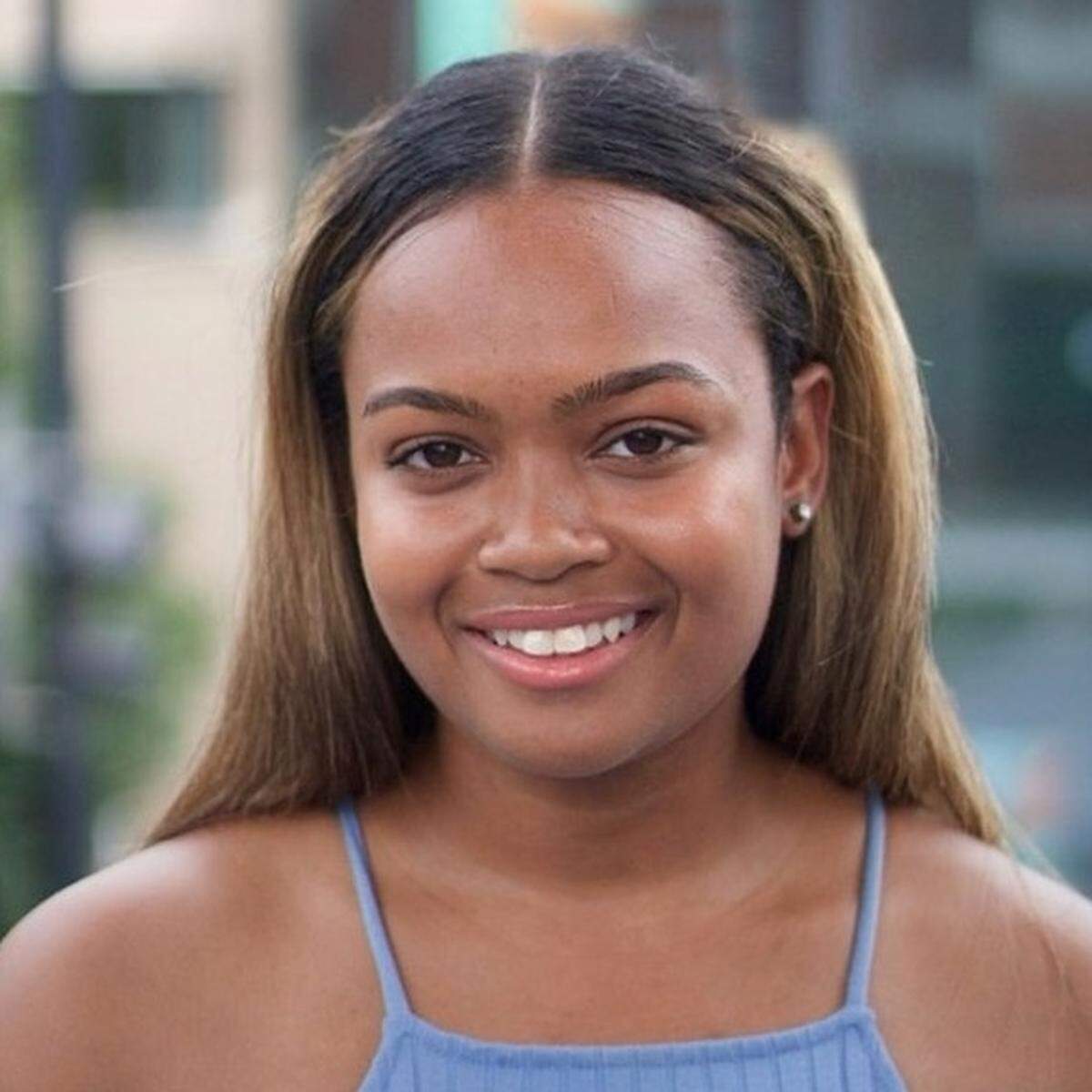
Questions and answers about COVID-19 vaccines with IL health director, Dr. Ngozi Ezike
Residents in southwestern Illinois shared their concerns about the coronavirus vaccine’s effectiveness during Tuesday night’s virtual conversation with Dr. Ngozi Ezike, the director of the Illinois Department of Public Health.
Hosted by the United Congregations of Metro East and Piasa Palisades Sierra Club, “Let’s Talk Vaccine” featured residents and community leaders asking Ezike about the vaccine’s safety. Although the conversation was held over Zoom, the event was also planned to be streamed on Facebook Live. On its Facebook page, the United Congregations of metro-east mentioned that the video will be uploaded on Facebook soon. About 60 participants joined the virtual meeting.
Vaccine rollout began in mid-December in Illinois. To date, 145,772 people in Illinois are fully vaccinated against COVID-19. In the metro-east, 5,417 people are fully vaccinated.
However, nearly half of Black adults in the country aren’t confident that the development of the vaccine considers the needs of Black people, according to a December survey conducted by the Kaiser Family Foundation. Tuesday’s event is a part of the Illinois Department of Public Health’s greater effort to ensure communities of color across the state are accurately informed about the COVID-19 vaccine.
Here are some questions that were asked of Dr. Ezike during the event:
What are some things we need to be thinking about as we prepare to take the vaccine?
“People ask ‘Well why did the vaccine happen so fast’? Normally, you have the vaccine and you test it out on the clinic trial participants and then you wait and you watch and you watch six months, a year, two years, three years, four years. Sometimes it even takes five years, because they’re observing for effects for such a long time, but when, in this country alone, you have 3,000, 4,000 people dying every day, it’s like unethical to think about waiting two years, three years, four years, continuing to watch for potential side effects while people are dying right now.
From what we do know about vaccines, is that if there is going to be some crazy, bad effects, it usually happens within the first six weeks, and so that’s why, for this trial, in the midst of a global pandemic when people are just dying at unprecedented rates, they said instead of looking for six weeks, we’ll look at eight or nine weeks, so they looked at eight or nine weeks, didn’t see any serious bad effects and said we’ve got to move on this.
They had 77,000 people in the clinical trials, but since then, just in the United States, over 23 million people have already gotten this vaccine, so it’s not like a couple of people have gotten this. Millions upon millions of people have gotten this COVID vaccine, so we would know if something completely untoward was happening. We do know a lot about vaccines.
The good part (is that) we have vaccines, and they’re like 95% effective. I’ve been pushing the vaccine for the flu my entire medical career, and it’s like 40% effective, so to have a vaccine that’s 95% effective is a great thing. The sad thing is we don’t have enough. Bottom line. We don’t have enough. Just to put it into perspective, yesterday, we opened it up to phase 1B. That number for Illinois is 3 million people. That’s not a small bunch. Three million people. I got the allocation today from the CDC about how many doses you get from Illinois — 126,000 for 3 million people. Everybody’s going to be mad at me. I’m in a bad situation. I can’t make vaccine. I can’t do anything except put out the vaccine that we get.
That’s for the people who are ‘prioritized’, so for the general public, it’s going to be a minute, and by a minute, I mean many months. That’s not good news, but people just need to be patient and use their masks in the meantime because we don’t want anyone to get sick now when we are pretty close. Vaccines are on the ground. They’re not in your arm yet, but we’re trying to get it there.”
Are there plans to have a mass vaccination site in the East St. Louis area?
“We’re looking to have some of these mass vax sites in different places throughout the state. We are working with St. Clair County (Health Department) and East Side Health District to find locations. I think we settled on the Belle-Clair Fairgrounds that will be assisted by the implementation of Illinois National Guard that will be on site, so that is one way we can get it. We will also be having it in some retail pharmacies, so that’s another way we will get it. It’s sprinkled all over because we don’t have a lot. Some federally-qualified health centers will get it, some hospitals will get it, some regular doctor’s offices will get it and the local health departments themselves will be having some vaccination events.”
Can you speak to some of the common misconceptions about the vaccine?
“It does not cause you to get Bell’s Palsy. It does not cause infertility. There is not virus inside the vaccine, so the vaccine cannot give you COVID. It doesn’t have a microchip inside of it. It doesn’t change your DNA.”
What’s the efficacy and impact of the vaccine on people who’ve had organ transplants?
“If you have had an organ transplant, you’re not supposed to get the vaccine in the first couple of months. Usually you have to wait several months after the organ transplant before you can get vaccinated. If you know you’re going to get an organ transplant, you’re supposed to get vaccines beforehand and not in that immediate period afterward, so you have to work with your transplant surgeon and transplant team to figure out if you can time getting the vaccine ahead of time.”
Will the vaccine be effective against some of the other COVID-19 strains?
“We already have nine cases of that here in Illinois. We know those numbers are going to only grow, so right now what we’re saying is that the vaccines are still effective against this B117 variant. I don’t know about the other variants. They still have to do studies. Everything is so new. What we do know is that we think the B117 would still be susceptible to the vaccine, but it’s possible that you may need more people to be vaccinated to get that herd immunity because this variant is so transmissible.”
What is the state doing to make sure that everyone, like Spanish-speaking communities, has an equitable opportunity to hear the information they need to hear?
“We are translating a lot of our documents into multiple languages. We have a community ambassador program where we’re trying to bring people of all these different ethnicities so that we can have full array of people and different spheres of influence so they can spread it to their own spheres of influence. “
Once you get the vaccine, can you still infect people?
“Yeah, that’s why it’s very important that you have to continue wearing your mask even after vaccination, and remember one dose doesn’t fully cover (you). I’ve seen some doctors who’ve got it in between the first and second dose and they contracted COVID. It takes about seven to 10 days after the second dose before you can consider yourself immunized. You just can’t let your guard down. What’s really important is that even if you are two weeks past your second dose, you still might be able to infect other people. Even though you wouldn’t get sick, you might just be able to carry the virus and breathe out the virus where you’re not sick, but you pass it on to somebody who’s not immunized who can get sick, so we still have to continue to wear our masks until we’re all protected so we can knock this virus out.”
How are we protecting are children if there isn’t a vaccine for them?
“Well, if all the adults around them are vaccinated, that is how you protect them. If you’re looking to protect the kids in your life, then get vaccinated and get everyone around those kids vaccinated, so that’s the hedge of protection that we can offer those children. They are obviously on pediatric vaccines. I know at some point in the future there will be pediatric vaccines, but they are not here now, so what we can do is continue to (wear) masks, continue to avoid these large gatherings and then get our vaccine when we have the opportunity.”
If you tested positive in the past, can you still get the vaccine?
“The CDC will tell you if you’ve tested positive that you should still get the vaccine. We don’t think that you can get the infection again, immediately. I know of only two cases in the state where it looks like someone may have gotten it again, so it doesn’t seem like it’s a very regular thing for people to get it and then get it again. I’ve heard of a few reports in other places, but it’s not a normal thing. We think that you have immunity that may last for a while. We’re not sure exactly because we’re still learning, but the CDC is saying to wait a minimum of three months after you’ve recovered from COVID-19 to get the vaccine because you’ll still have antibodies.”
The United Congregations of Metro East is looking forward to continuing the conversation about vaccines and other coronavirus matters in Southwestern Illinois during its weekly community COVID-19 response meeting. Meetings are held every Thursday afternoon via Zoom. For St. Clair County, calls are scheduled at 1 p.m. For Madison County, calls are scheduled at 3 p.m. The meeting ID for the Zoom call is 8261138261. The access code is 181759.
BEHIND THE STORY
MOREWe want to hear from you
Help us cover East St. Louis, Cahokia, Centreville and surrounding communities by sharing your tips, questions and ideas. What issues are affecting your community? What stories would you like us to tell? What’s important to you? Please share your thoughts with DeAsia Paige at dsutgrey@bnd.com or 239-2500.
This story was originally published January 27, 2021 at 5:00 AM.