Fairview Heights stores and restaurants feel effects of national labor shortage
The shopping and dining hub of Fairview Heights was hit hard by the COVID-19 pandemic, but now that most restrictions have been lifted, stores and restaurants are getting back on track.
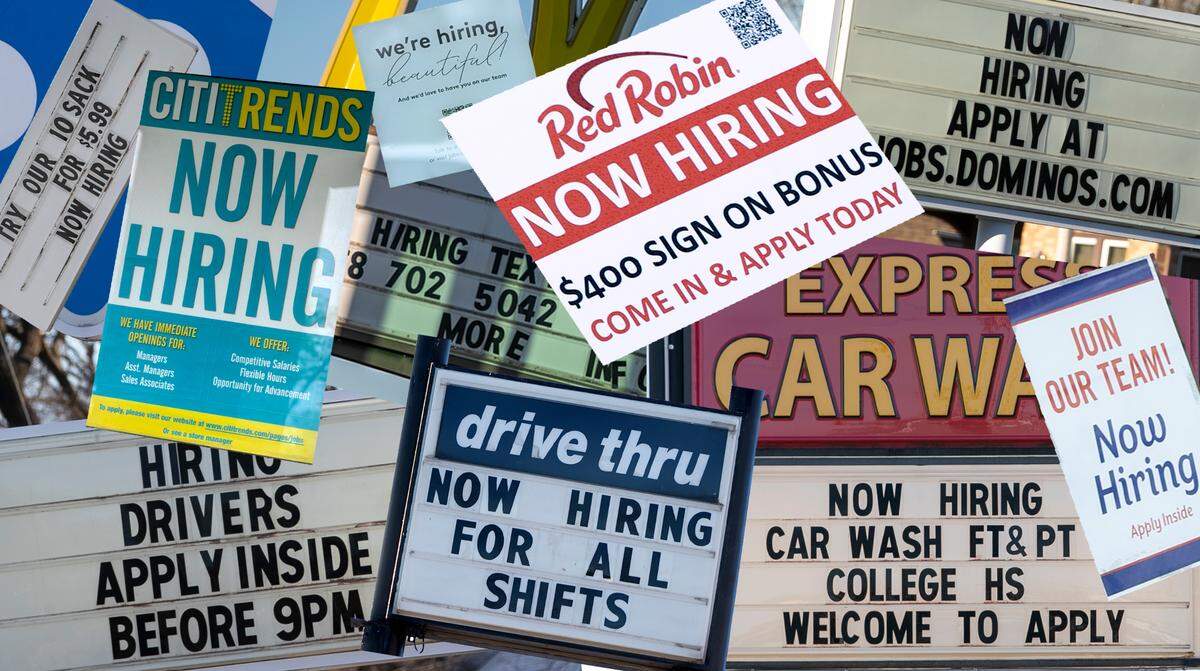
There’s just one problem: Many businesses are short on employees, and they’re struggling to find people to apply for jobs.
That has resulted in longer lines at some stores and shorter hours at some restaurants, not just in Fairview Heights but throughout the metro-east and all over the country, said Paul Ellis, the city’s economic development director.
“Help Wanted” signs are everywhere.
“They are having a terrible time,” Ellis said. “Some of them are barely hanging on. ... They’ve gone through COVID, they’ve survived that, and now they can’t find employees to get them up and running again.”
The reason? It’s probably a combination of factors, Ellis said.
Some experts point to the sudden avalanche of job openings that will just take time to clear. Others argue that enhanced unemployment insurance benefits made possible by federal stimulus packages have kept those who are financially stable from looking for work.
Some people with health complications still aren’t comfortable working in public places, given that only about half of all Americans have been vaccinated for the coronavirus. Then there’s the issue of child care for kids in school districts with remote learning.
“I have been in the market (to hire employees), asking people to come in and apply, and no one is applying,” said Abby Thompson, owner of the Joe’s Pizza & Pasta franchise in Fairview Heights.
Joe’s lost a few teen-age employees this spring when school sports started back up after a long hiatus related to COVID-19. That left about 15 people on Thompson’s payroll. She wanted to hire five more.
Thompson advertised by word of mouth and on Facebook, Indeed and AdPages.
“My little restaurant is doing OK,” she said. “I have a village behind me, and they’re going full throttle. But we’re hearing all around that (labor shortages) are affecting everybody, not only restaurants, all the businesses.”
St. Louis Bread Co. restaurants in Fairview Heights and other metro-east communities have been closing in the evening or limiting service to drive-thru only due to staffing issues, according to signs posted on doors and windows.
The company didn’t respond to multiple requests for comment this week.
Not all businesses short-handed
Nothing Bundt Cakes in Fairview Heights is fully staffed, but franchise owner Aaron Fricke attributes that to the fact that his takeout bakery has been operating at close to normal capacity since last fall. People want to celebrate, even during a pandemic, he said.
Fricke feels fortunate, but he got a taste of labor-related challenges two months ago, when he was looking to hire a cake froster.
“Used to be, if I posted a position on a Monday, I’d have 30 or 40 applicants by the end of the week, and people would return calls immediately,” he said. “(With the froster position), I maybe had 10 applicants, and three of them returned calls, and we were stood up on every interview we had scheduled.”
Fricke said he tries to avoid political discussions on the topic, but he feels the problem is largely due to enhanced unemployment insurance benefits.
Fricke gave the example of his friend, a Missouri restaurant owner who was having trouble finding employees until May 11, when Gov. Mike Parsons announced that the state would end participation in federal unemployment insurance programs related to COVID-19 on June 12.
Two days later, the restaurant owner hired 10 people.
“I understand the situations of people needing the additional stimulus,” Fricke said. “But the jobs are out there, and nobody’s taking them because they’re making more with (unemployment) than perhaps they would otherwise.”
Other business owners in Fairview Heights have expressed similar concerns.
Earlier this month, President Joe Biden rejected claims that his federal stimulus package is to blame for the fact that people aren’t applying for jobs in certain industries. He challenged companies to make work environments safer by helping employees get access to vaccines and to increase their pay.
Heroes in Style, a retail store just south of Fairview Heights that sells uniforms for police officers, firefighters and health-care professionals, also is fully staffed.
Owner Char Wild noted that the store didn’t have to close or lay off its five employees during Illinois’ coronavirus-related shutdown in spring 2020 because it’s considered an “essential” business.
Sales dropped last year, she said, and employees have had to spend more time cleaning and sanitizing work spaces and dressing rooms, but the situation is definitely improving.
“Within the last couple of months, we’ve been able to go out and do more outside sales,” Wild said. “That’s something we were not able to do before, go to hospitals and doctors’ offices and fire departments to sell our product, and that’s been a big help.”
Some dining rooms remain closed
The Chuck Wagon Mexican restaurant in Fairview Heights hasn’t been open for indoor dining since the pandemic hit in March 2020. Co-owner Linda Gonzales said she and her husband, Hector, plan to stick with curbside pickup until after a family wedding in June.
Most fast-food restaurants are still limiting service to takeout or drive-thru throughout the metro-east.
Gonzales understands why they might be reluctant to open dining rooms, noting that it requires hiring extra employees to clean and enforce coronavirus-related restrictions that are still in place. It may not be worth it revenue-wise or even possible due to the labor shortage.
“When we reopen, we still have these guidelines of six feet apart, and people still need to be wearing their masks when they come inside, and we still have limited seating,” Gonzales said. “So we’re just having to change everything that we do, again, and we’re just not in a big rush to do it right now.”
Gonzales said her family continues to be thankful that the restaurant, which her husband’s family has operated since the 1970s, received two federal Paycheck Protection Program loans and an Illinois state grant to help it survive the past year.
Ellis, the economic development director, also is counting the city’s blessings.
Fairview Heights lost about $2 million in sales-tax revenue due to the state shutdown and COVID-19 restrictions last year, he said, but only a dozen or so businesses closed permanently. That’s out of more than 800 in the city, which has no property taxes.
Ellis was particularly happy to see Urban Air Adventure Park and Sky Zone Trampoline Park reopen recently after being boarded up for more than a year.
“About this time last year, I wasn’t sure what we’d have left,” he said. “Everybody was worried sick. That was the point of my worst fears. But it certainly hasn’t turned out that way.”
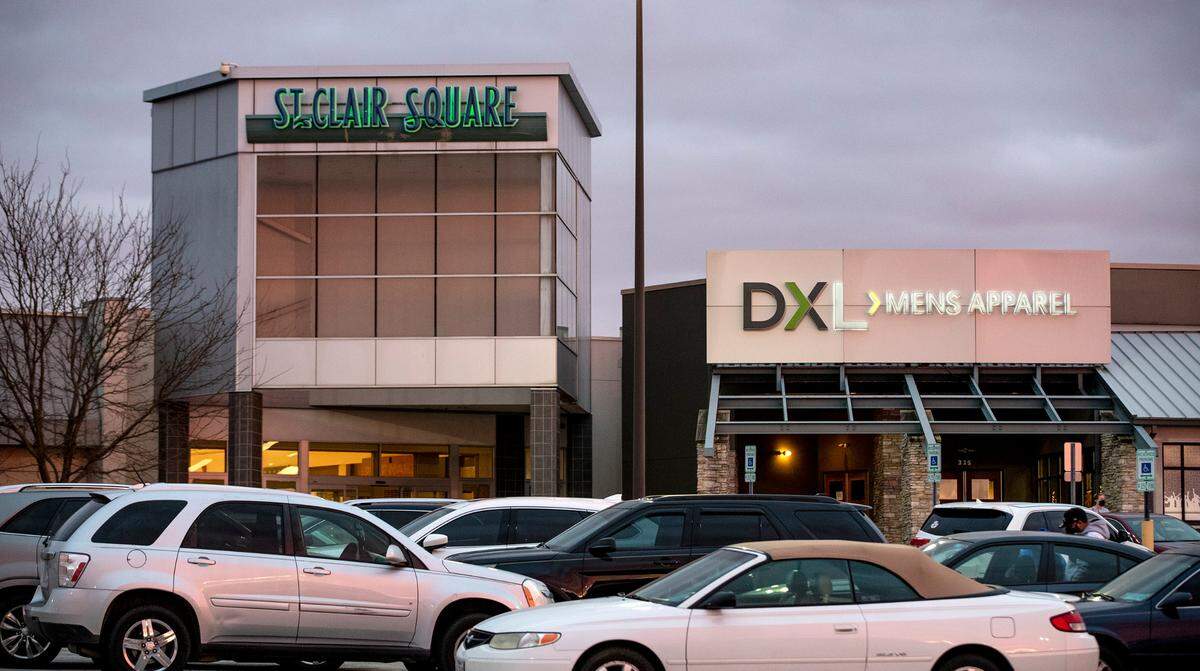
St. Clair Square, the largest shopping complex in Fairview Heights, is inching closer to its regular hours of 10 a.m. to 9 p.m. most days. After the state shutdown, the mall operated from 11 a.m. to 7 p.m. for 10 months. It has been open from 10 a.m. to 8 p.m. since April 1.
But some stores are staying with 11 a.m. to 7 p.m. while they’re building up workforces, according to Marketing Director Christine Poehling. The mall recently sponsored a five-day job fair to help with hiring.
Foot traffic has increased in the past two months, thanks to restrictions being lifted and people getting vaccinated, Poehling said.
St. Clair Square is following U.S. Centers for Disease Control and Prevention guidelines in common areas, not requiring vaccinated shoppers to wear masks but encouraging others to do so.
“Individual stores can have their own policies, based on what their companies choose nationally,” Poehling said.
This story was originally published May 28, 2021 at 5:00 AM.