How to talk to family or friends who disagree on whether to get a COVID-19 vaccine
You’ve either experienced it or heard about it.
Many friends, family and co-workers disagree on whether to get the COVID-19 vaccine or whether vaccinated people should interact with unvaccinated people, particularly without masks or when it involves the elderly or those with underlying health conditions.
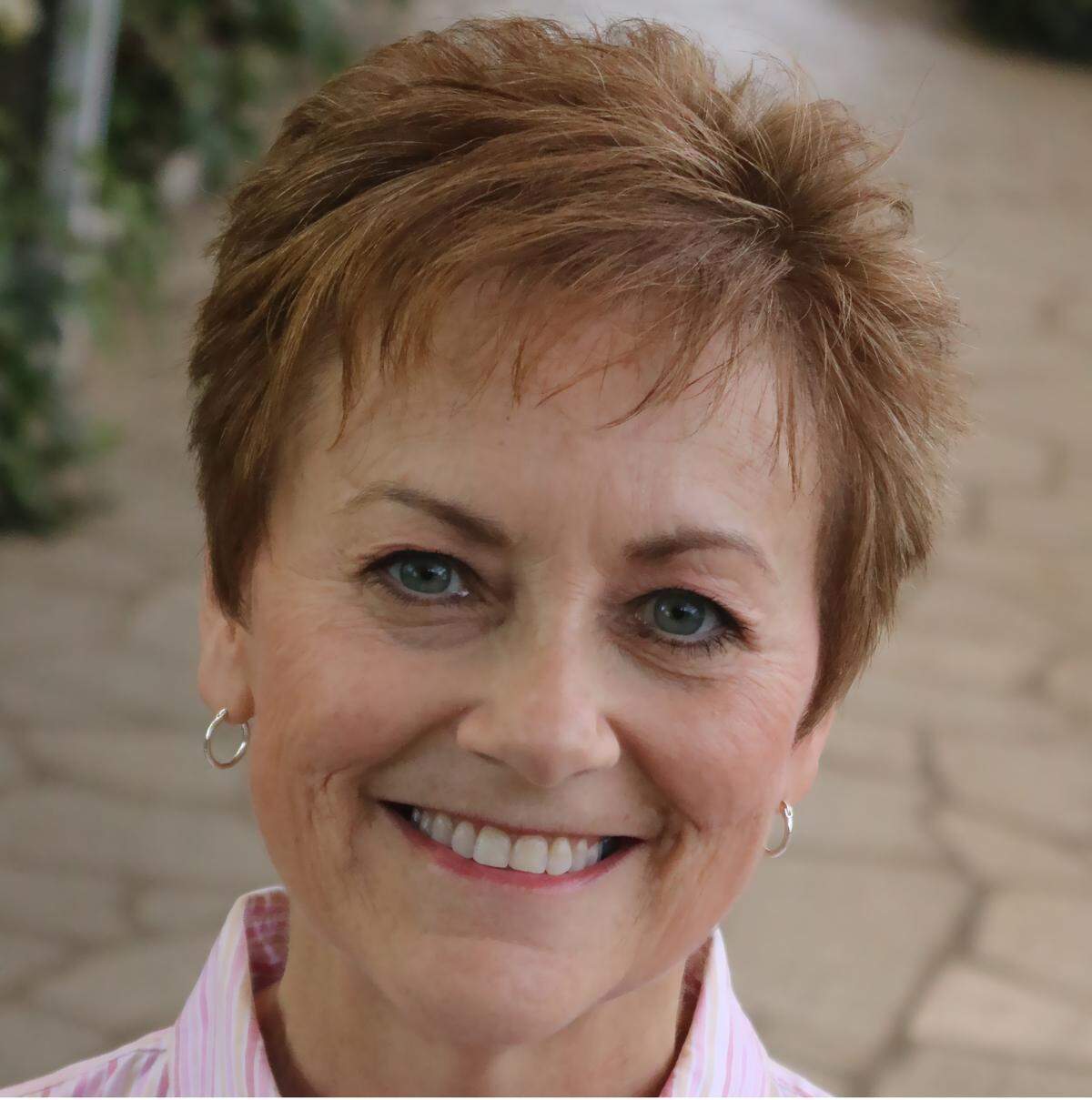
Such questions have been faced by clinical psychologist Nancy Friesen, as well as some of her patients.
Friesen is taking a cautious approach with her private practice in Belleville. She meets in person only with patients who have been vaccinated and conducts “teletherapy” sessions with others by computer.
“You still need to be careful around other people, even people who are vaccinated,” said Friesen, who has two school-age children. “There’s still a chance you can get the virus.”
About 45% of the U.S. population has been fully vaccinated, according to the Centers for Disease Control and Prevention. That includes 52% of those 12 and older, 55% of those 18 and older and 77% of those 65 and older. Some 53% of the population has received one dose.
The CDC has deemed it safe for vaccinated people to go without masks but recommends that unvaccinated people still wear them in public.
People get vaccinated because they trust scientists, doctors and studies that show it protects against the coronavirus and lessens the severity of symptoms for those who test positive, or because they think it’s their civic duty to help stop the disease.
Others don’t get vaccinated due to safety concerns, distrust of experts, apathy, real or perceived access issues, politics, religion or belief in a variety of conspiracy theories.
In some cases, disagreements lead people to avoid get togethers or visits, resulting in hurt feelings or estrangement. Comments can descend into debates or even fights.
“It’s better now that we have the vaccine,” Friesen said. “Some of that immediate anxiety has been reduced. Before, we didn’t have an answer. We didn’t have protection. The only protection we had was the mask.”
Friesen gives the following tips for people who have found themselves in vaccine-related disagreements with friends, family or co-workers and want to handle it in a way that doesn’t destroy relationships.
1. Work on listening skills.
Friesen borrows the line “seek fIrst to understand” from Stephen Covey, a well-known educator, businessman, speaker and author, who wrote the book “The 7 Habits of Highly Effective People.”
“Most people listen with the intention to respond to what was just said, rather than to understand what the other person wants to convey,” Friesen said.
“Many people also speak with the conviction that they are or need to be ‘right’ and want others to acknowledge this. If you need to be ‘right,’ other people’s points of view are not really being heard and understood.”
2. Look past anger and anxiety.
Anger and anxiety often fuel people’s most strongly held opinions and beliefs. Friesen recommends trying to get to the bottom of why someone feels the way he or she does about the COVID-19 vaccine.
“Ask yourself, ‘Why would Person X be so strongly committed to their position against or for vaccines or masks?’” Friesen said. “Try to see the world from their perspective, not your own.”
3. Show that you understand.
Demonstrate through body language (head nodding, leaning in), the tone of your voice and words that you understand the other person’s opinion. That doesn’t mean you have to agree with what he or she is saying.
“People want to feel heard and understood,” Friesen said.
“Try saying back to the person what they are saying. This is mirroring. Find something in the other person’s situation that you can empathize with and do so from a place of genuineness and authenticity, not just parroting back.”
4. Recognize people’s differences.
People have different levels of tolerance for risk. What seems easy or non-threatening to one person may be way out of bounds for another, and that can create a great deal of anxiety.
“People are very sensitive to feeling controlled by others, particularly in stressful situations,” Friesen said.
5. Try to find agreement.
Perhaps friends, family or co-workers who disagree on many aspects of the debate over COVID-19 vaccines or masks can at least find agreement in determining who is the most vulnerable in their group and behave accordingly.
“If you have someone who is immunocompromised, someone who’s going through chemotherapy, for example; someone with other health conditions ... That person is at risk,” Friesen said. “Conscience requires us to protect the more vulnerable among us.”