Mother of Waterloo man who died of overdose unhappy with drug dealer’s plea agreement
A Waterloo woman whose son died of an overdose last fall knows that he was an opioid addict responsible for his own actions.
But Debbie Augustine also blames his drug dealer and maintains that Columbia police and the Monroe County court system could have done more to hold that person accountable and protect the community.
Augustine learned Wednesday that Derek Dillon, 35, of Columbia, had pleaded guilty April 11 to drug-induced homicide in the death of her son, Clayton Augustine, 27, of Waterloo. Associate Judge Jeff Watson of the 20th Judicial Circuit sentenced him to six years in prison, according to court records.
Dillon is required to serve 75% of the sentence, making him eligible for parole in four and a half years.
“I don’t think that’s setting a good precedent,” Debbie Augustine said. “This is the first case like this in Monroe County. If it happens again, what are (drug dealers who kill people) going to get? Six years?”
Dillon was accused of knowingly delivering fentanyl to Clayton Augustine, who died on Oct. 20. The synthetic opioid is similar to morphine but about 100 times more potent.
Debbie Augustine knew Monroe County State’s Attorney Lucas Liefer was considering a plea agreement for Dillon, who had been arrested for drug possession and violated probation in the past. She said she told Liefer that someone responsible for a death should spend 10 to 15 years in prison.
Neither Liefer, who personally prosecuted the case, nor Monroe County Public Defender Arthur Morris, who represented Dillon, could be reached for comment Thursday or Friday.
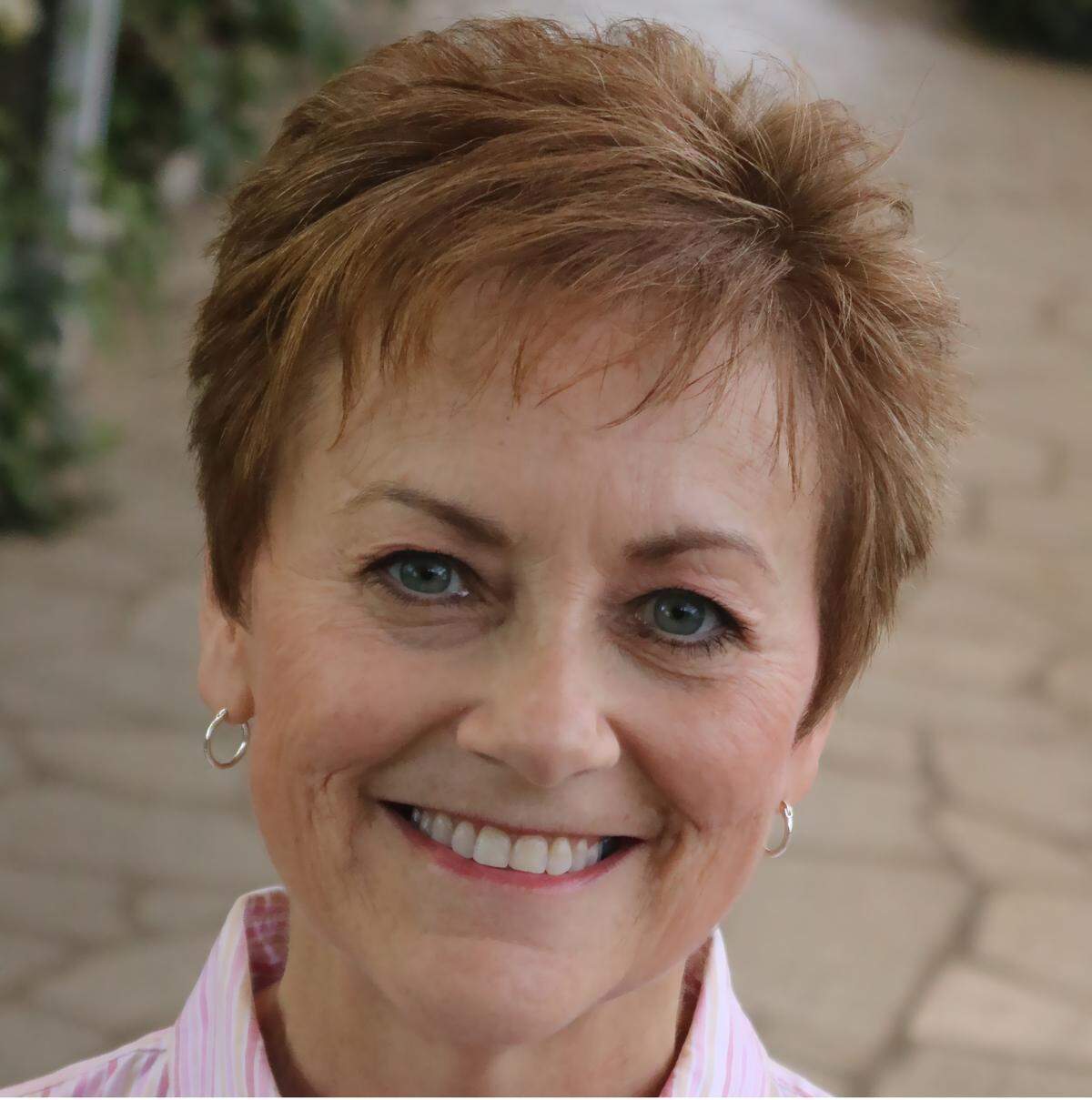
Debbie Augustine, 54, is the former co-owner of Bully’s Smokehouse in Columbia, former Waterloo city clerk and retired director of human relations for a carpenters union. She said she would be even more upset by Dillon’s sentence if she didn’t feel some empathy for him.
“I’m his godmother,” she said. “I’ve known him his whole life. I care about the kid. I can’t help it. He’s a drug addict. He’s selling drugs to feed his own addiction. It’s just a terrible situation.”
Casualty of opioid epidemic
The U.S. Centers for Disease Control and Prevention reports that more than 100,000 Americans died of drug overdoses in the year ending April 2021, and three-quarters of those deaths are attributed to opioids.
The Waterloo case is a good example of how the opioid epidemic not only ends lives but also tears families and friends apart.
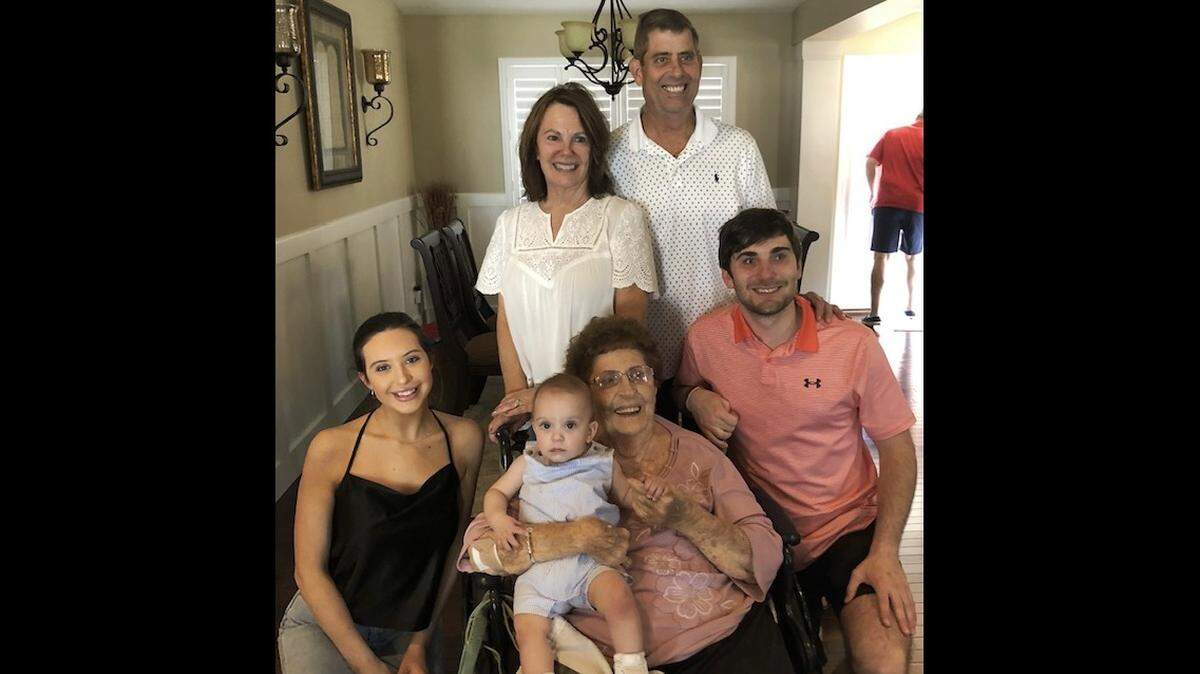
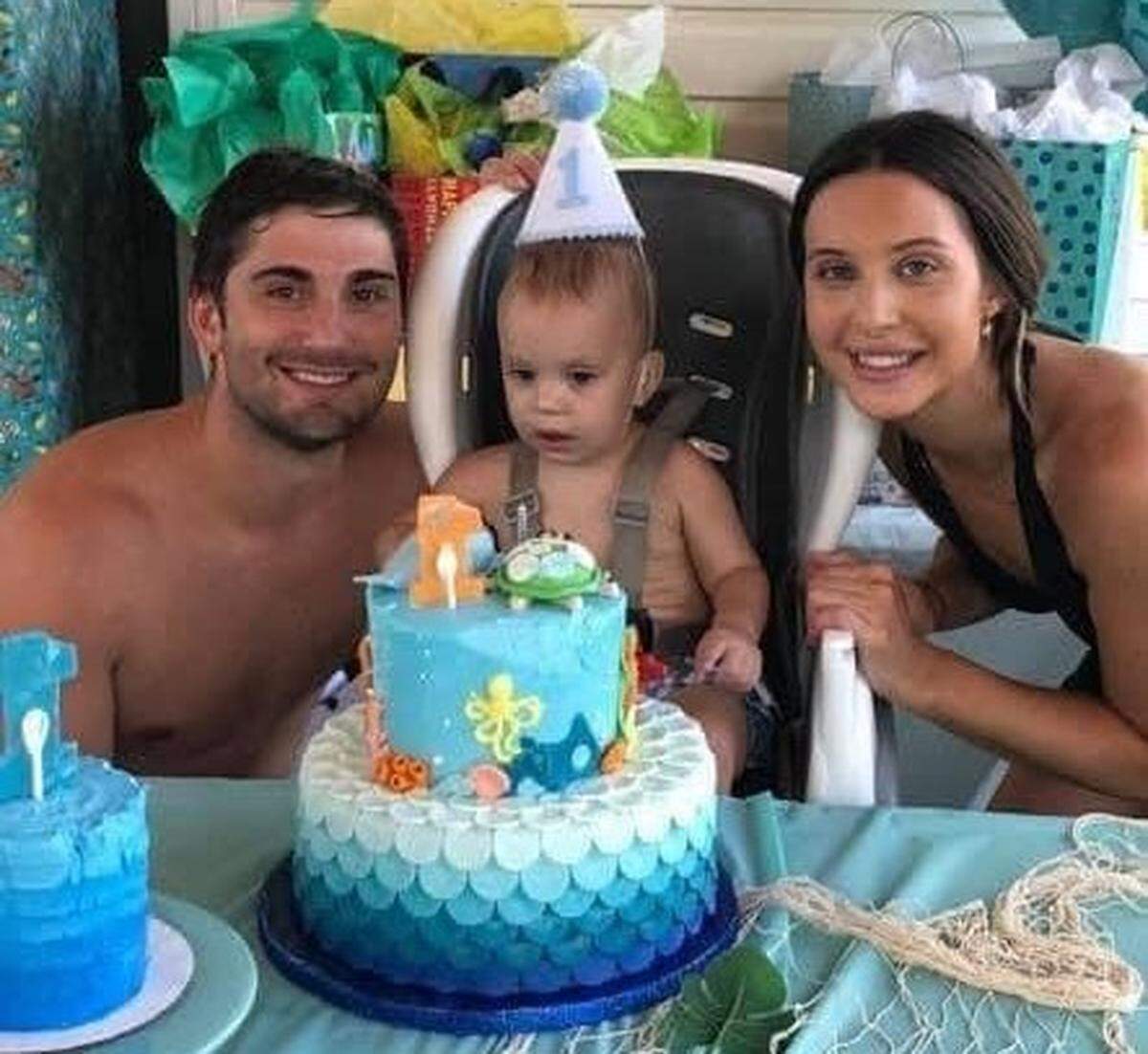
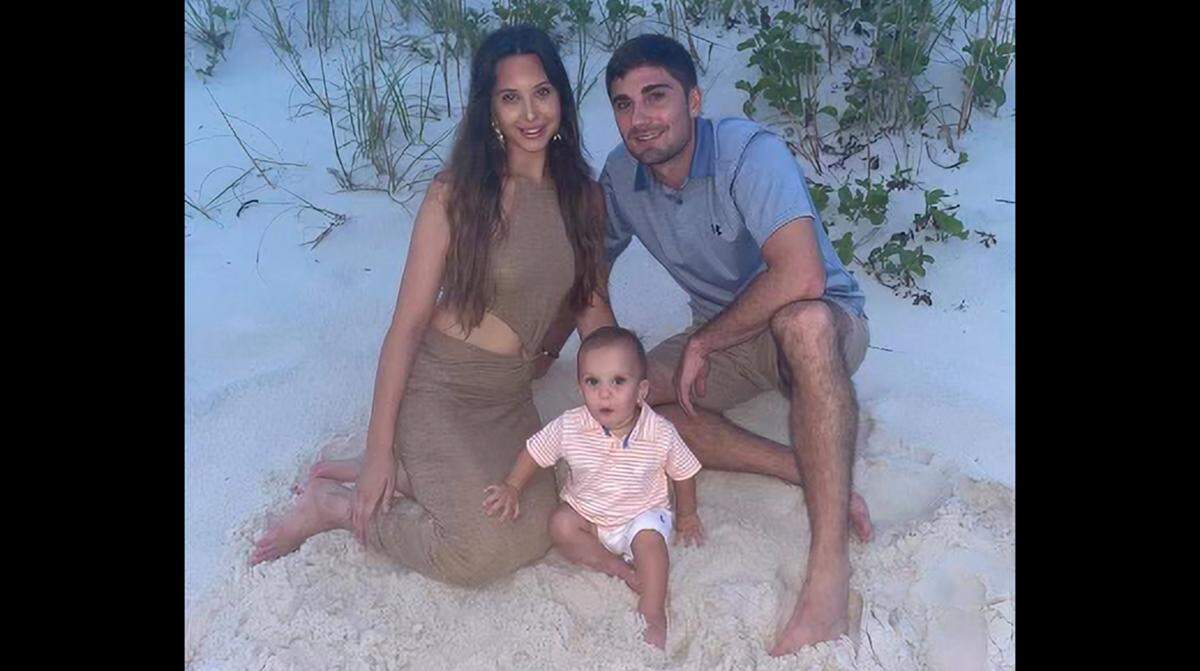
Clayton Augustine was a 2013 graduate of Waterloo High School. He worked at Veolia North America in Sauget and later Brenntag Mid-South in St. Louis. He was engaged to Sarah Lamonica, the mother of his son, Nolan, now 20 months old. They lived at his parents’ house.
“(Clayton) was a loving father, son, brother, fiance, grandson, cousin and friend to many,” his obituary stated.
Clayton Augustine became addicted to opioids about four years ago while taking pain medication prescribed by his doctor after suffering a serious head injury during a fight at a Carbondale party, according to his mother. Then he began getting drugs on the street.
Debbie Augustine said she found out about her son’s addiction in April 2020, when he was arrested and charged with driving under the influence of drugs and possession of a controlled substance.
Clayton Augustine was driving his mother’s Cadillac CTS, which was confiscated by Columbia police.
Debbie Augustine said her son, who snorted opioids instead of shooting up, worked hard to fight his addiction, including four stints in rehab. He had the support of family and friends, including her husband, Robert, who drove him to work every day after he lost his driver’s license.
But Dillon wouldn’t stop delivering drugs to the house, Debbie Augustine said, so in early 2021 she went to the police department in Columbia, where Dillon lived, and asked for help.
“The officer said ‘Thank you,’ but I don’t think they did anything,” she said. “Nine months later, my son is dead, and (Derek is) the guy who gave him the drugs. ... I’m very, very frustrated.”
Columbia Police Chief Jason Donjon couldn’t be reached for comment Thursday or Friday.
Three overdoses in a week
Clayton Augustine got his last supply of drugs from Dillon at a support group meeting, according to Debbie Augustine, who photographed their online chat before it disappeared.
Clayton Augustine overdosed three times in one week, his mother said. The last time, he was rushed to Mercy Hospital South in St. Louis after his brother, Brett, found him lifeless in his bedroom on Oct. 14, 2021. He was taken off life support six days later.
Liefer charged Dillon on Feb. 9 with drug-induced homicide, a Class X felony, alleging that he delivered fentanyl to Clayton Augustine and caused his death; as well as unlawful possession of methamphetamine, a Class 3 felony, and unlawful possession of a controlled substance, a Class 4 felony.
Doctors legally prescribe fentanyl to treat severe pain after surgery or chronic severe pain, but illicit fentanyl often is manufactured in other countries and smuggled into the United States through Mexico.
In February, Liefer addressed the subject of opioid-related deaths in Monroe County.
“I hate getting these calls from the coroner,” he said. “That’s why I try to be as proactive as I can in prosecuting these cases.”
Before his arrest on Feb. 22, Dillon had been charged with possession of a controlled substance twice in 2004, when he was 17, and again in 2011 and 2018, according to Monroe County court records. The latter two cases stretched out over years due to probation violations. He did a couple of short stints in jail.
Dillon pleaded guilty to drug-induced homicide on April 11 in the death of Clayton Augustine. The two possession charges from Feb. 9 were dismissed as part of his plea agreement.
Debbie and Robert Augustine now are focused on healing and helping to care for their grandson. Lamonica and Nolan have moved into their own place. There will be no June wedding, as planned.
Debbie Augustine applauded the U.S. Drug Enforcement Administration for its work on her son’s case, but she called on local officials to do more to hold drug dealers accountable so other families don’t have to deal with the senseless deaths of loved ones.
“We’ve got this little bedroom community here, and nobody wants to do anything about (the opioid problem). It’s here, and it’s going to get worse.”
This story was originally published April 24, 2022 at 6:00 AM.