
IL suspended its grocery tax, but you’re still paying more. See how prices have increased
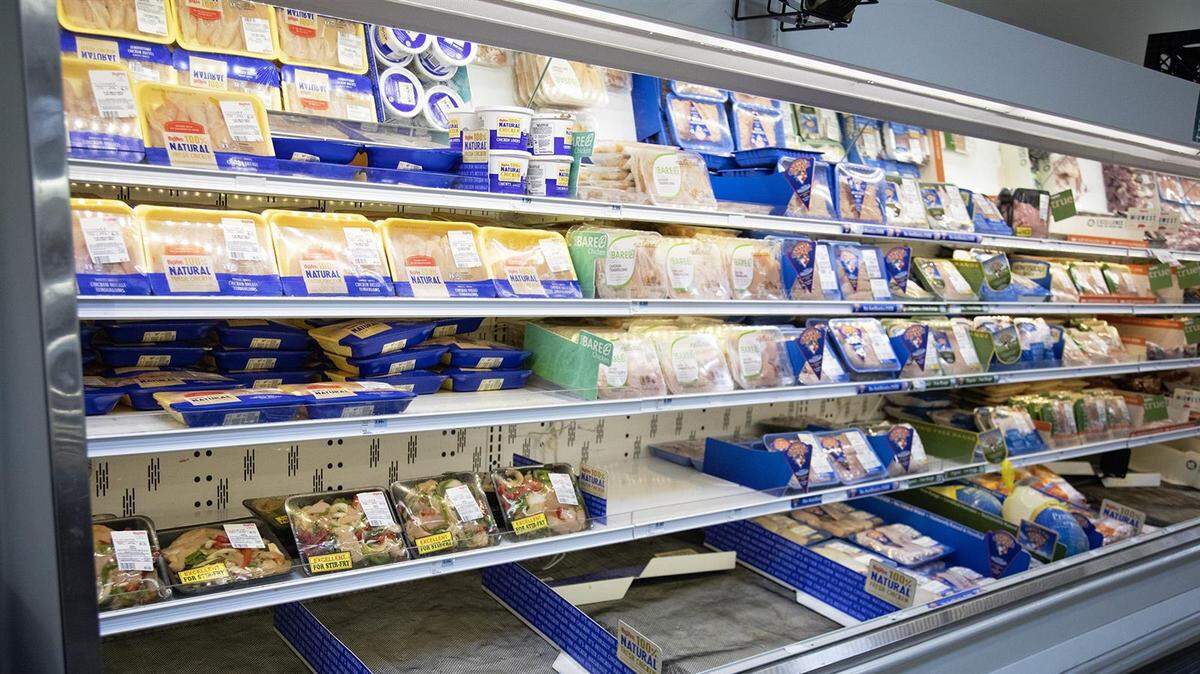
Those shopping for backyard barbecues or stocking the pantry for back to school might find their purchasing power at the grocery store has shrunk considerably in recent months.
In June, U.S. inflation hit a four decade high at 9.1%. Many categories saw increases, including housing, energy and more.
The steadily rising prices in recent months has resulted in many feeling the pinch at the grocery store.
The “food at home” consumer price index rose 12.2% in the last year, “the largest 12-month increase since the period ending April 1979,” according to the U.S. Bureau of Labor Statistics.
Some of the sharpest category increases included flour and mixes, which rose 19.2% over the period, frozen and refrigerated bakery products, jumping 17.2%, and fresh and frozen chicken parts, at 20.4%, according to data from the federal agency.
The factors driving the increases are varied, two academics told McClatchy. Those include supply chain disruptions, worker shortages, the war in Ukraine and “to a lesser extent inflation,” Alison Gustafson, Ph.D. and associate professor with the University of Kentucky’s Department of Nutrition and Food Science, said in an email.
High demand, fuel and transportation costs are also playing key roles, said Sabri Yilmaz, Ph.D. and associate teaching professor of economics, school of business administration at Penn State Harrisburg. Not to mention wages just aren’t keeping pace.
“Not keeping up with the increase in goods and services prices also decreases the purchasing power of the people, the consumers, so that’s kind of causing another problem,” Yilmaz said of the wage stagnation.
The collision of factors has led to prices at the grocery store jumping between 14% and 16% from last year, Gustafson said.
To lessen the strain on Illinois consumers, the state suspended its 1% grocery sales tax as of July 1. The state is one of 13 with an additional tax on groceries.
Both experts said consumers should not expect prices to ease before the end of the year, at the earliest.
“So my guess is that, you know, especially by the end of this year, I hope (and) I expect to see some, you know, normal-level prices, especially in the pantry or food items,” Yilmaz said.
For that to happen, many of the factors influencing the rising prices will need to “eliminated one by one” to lessen economic pressure, he noted.
A round up of tips to help grocery shoppers included purchasing in-season produce, shopping local to support regional agriculture, buying store brand rather than name brand, reducing animal product consumption and purchasing canned or frozen goods, which tend to not be subject to such steep price increases.
How much have grocery prices increased?
We’ve compared the U.S. city average prices from January 2020 to May 2022 for a number of items. The data is courtesy of the U.S. Bureau of Labor Statistics.
Use the interactives below to see price changes in several pantry staples. Note that these graphics will automatically update as new data become available.
White bread
White bread costs have jumped from $1.35 to $1.61, an increase of 26 cents or 19.3%.
Though not pictured, whole wheat bread prices have also increased by 13.3%, from $1.96 to $2.22 per pound.
Milk
A gallon of whole milk went from $3.25 to $4.20, an increase of 95 cents or 29.2%.
Eggs
A dozen grade A eggs went from $1.46 to $2.86, a hike of $1.40 or 95.9%.
Butter
Butter dropped in price for a time before beginning to climb again steadily in December 2021. It went from $3.86 in January 2020 to $4.29 in May 2022, an increase of 43 cents or 11.1%
White rice
The price per pound of white rice rose from 72 cents to 91 cents, a jump of 19 cents or 26.4%.
Beans
Dried bean, priced per pound, has jumped from $1.43 to $1.64, an increase of 14.7% or 21 cents.
Ground beef
Ground beef by the pound saw a sharp increase in June 2020, but from January of the same year to this May, the average price has gone from $4.34 to $5.33, just higher than the June 2020 peak. The increase from the beginning to 2020 to now is just under a dollar or 22.8%.
Chicken
Chicken breast, priced per pound, has seen a fairly steady increase over the period, going from $3.06 to $4.31. That’s an increase of $1.25 or 40.8%.
Coffee
A morning staple for many, coffee has also steady jumped. A pound has gone from $4.17 to $5.84, an increase of 40% or $1.67.
Sugar
White sugar average prices have increased from 58 cents to 68 cents package per pound. That’s a 10-cent jump or 17.2%.