Saint Louis Zoo welcomes 2 tiny hatchlings in hopes of helping repopulate this species
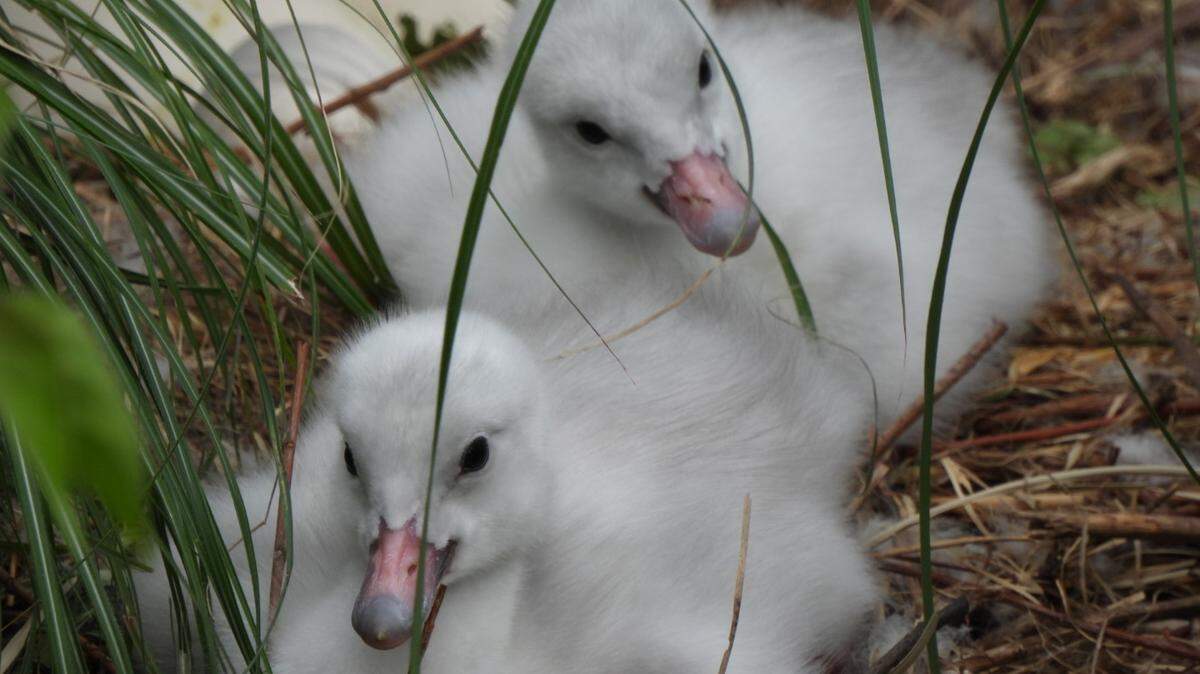
For the first time since 1996, the Saint Louis Zoo has welcomed two trumpeter swan babies, called cygnets, and their birth could help restore the species to a state where numbers have dwindled.
Trumpeter swan parents Marilyn and Charlie, both 5 years old, saw their eggs successfully hatch May 30. The tight-knit family lounges on an island at their zoo lake for naps, and Charlie is often seen trumpeting and chasing off ducks who venture too close to the cygnets.
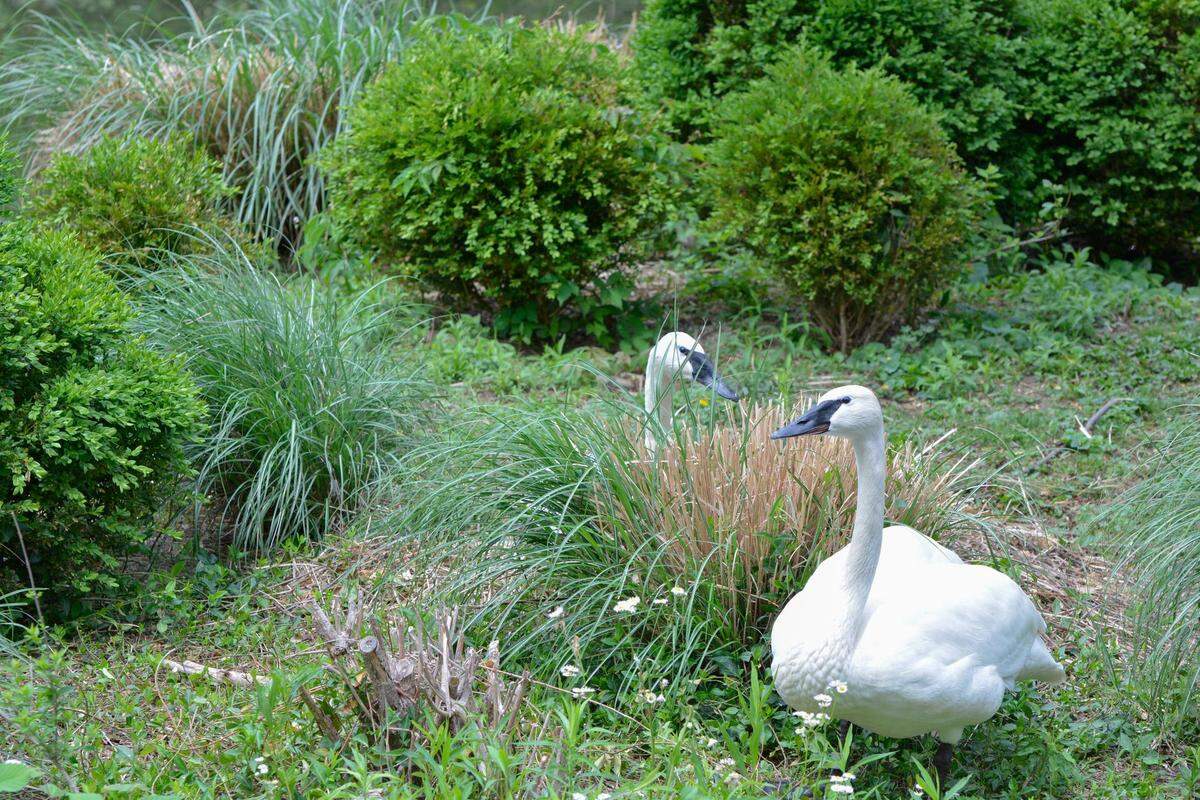
Three times each day, zookeepers ring a mealtime bell to signal to the swans they have the option to swim over for their specially formulated grain.
The Saint Louis Zoo’s Zoological Manager of Birds Marija Elden told the News-Democrat it’s important to give the birds control over their environment and allow them to choose whether it’s worth leaving their nap for lunchtime. There’s always the chance to eat later if they opt out.
Elden lives in Belleville with her husband, Justin Elden, who takes care of the zoo’s centenarian Aldabra tortoises.
Although you may find them curled up on their island at times in the summer heat, the swans are anything but lazy. The parents, especially Charlie, are vigilant for potential threats such as hawks, as well as ducks and any other waterfowl.
He and Marilyn also spend lots of time swimming and treading water to stir up mud and bring insects to the surface. While swans generally follow a vegetarian diet, the cygnets need a bit more protein to grow.
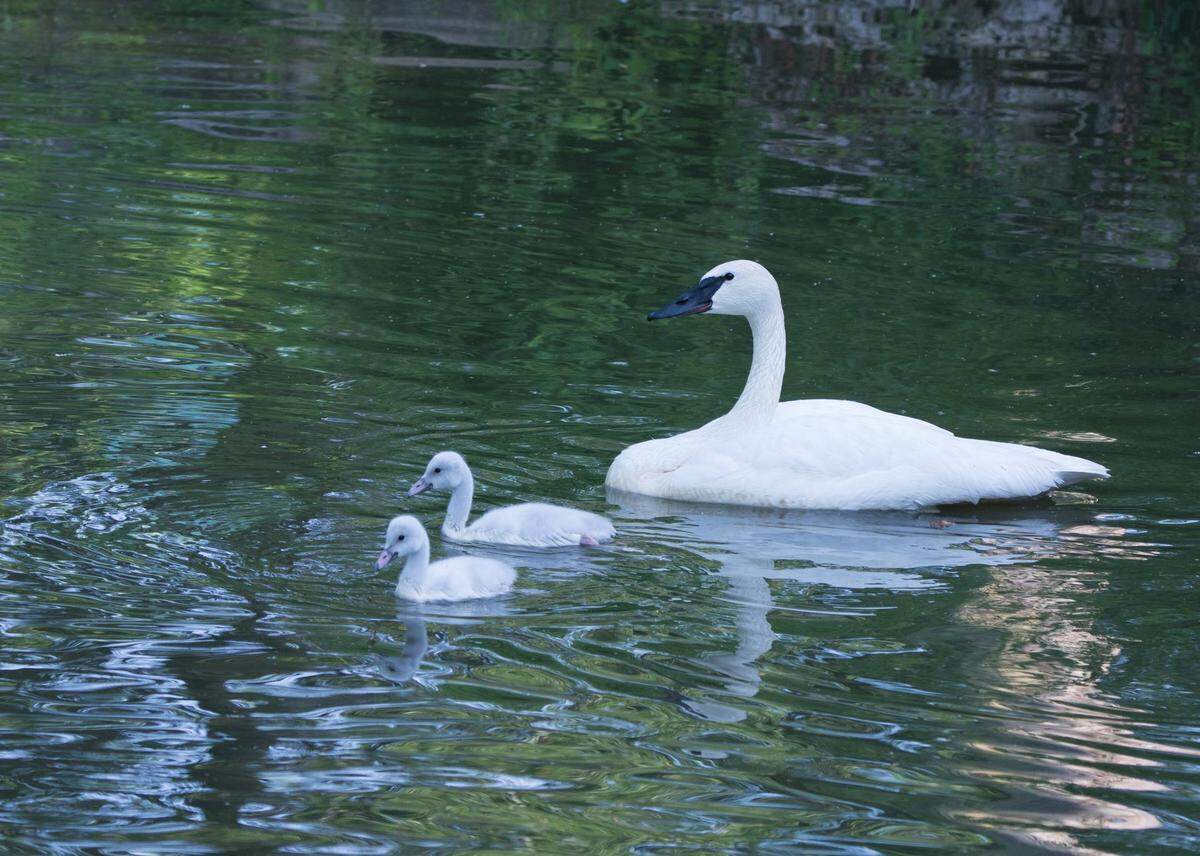
The cygnets do not have names, and their sexes are unknown as a gender reveal would require a blood test. But that’s not to say the zookeepers don’t know them as individuals.
“There’s one in particular that seems to really enjoy chasing the ducks,” Elden said. “That one has a little of a bold personality, and right now they’re starting to venture a little bit away from mom and dad, so we’re watching those personalities blossom.”
At more than a month old, the cygnets already seem to be carrying on family traits.
“It seems like they’ll take after mom and dad. Dad is very boisterous and defensive and loud and very observant, and mom tends to be also very observant, but a little more lowkey,” Elden added.
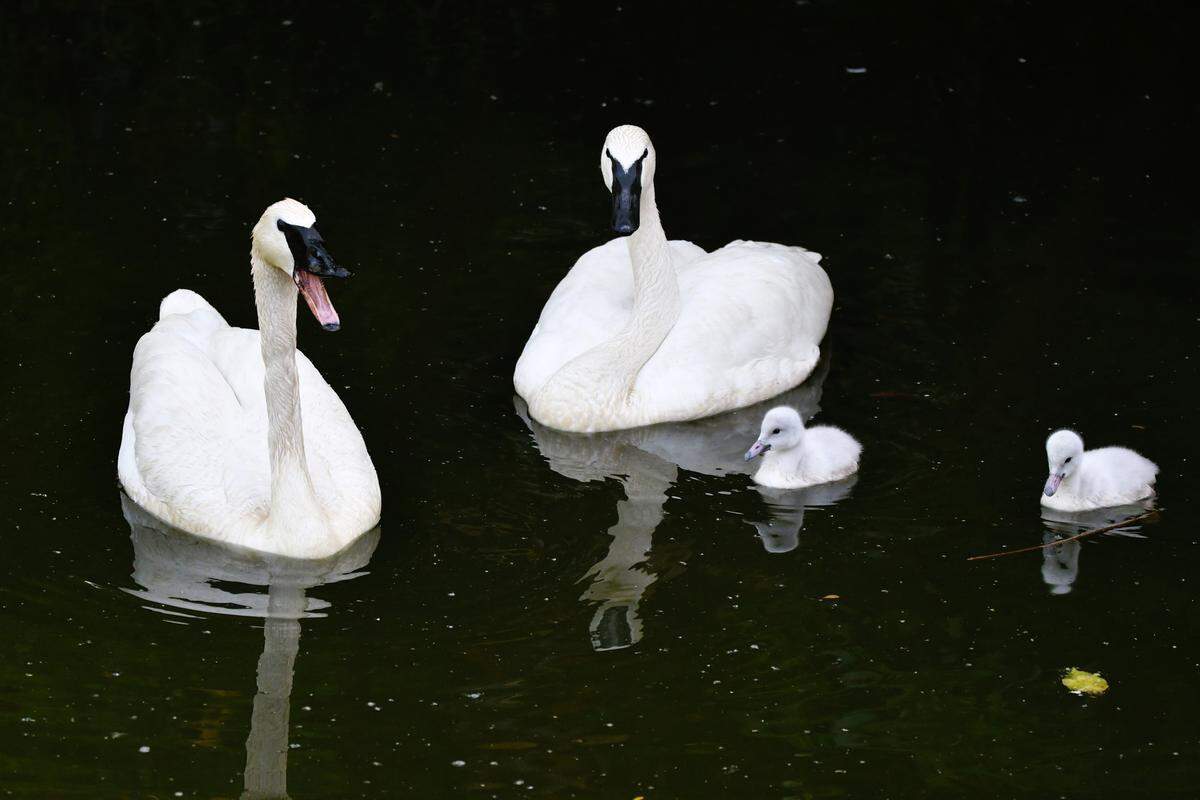
More on the trumpeter swan
Trumpeter swans can live into their 20s and have a wingspan of up to 6 feet, according to All About Birds.
“The trumpeter swan is the largest waterfowl in North America, it weighs 30 pounds,” Elden said.
People hunted trumpeter swans to near extinction in the 1800s for their meat and feathers, but conservation efforts, such as the Migratory Bird Treaty Act of 1918, helped to save the species.
There are three unique populations of trumpeter swans with varying migration patterns, Elden said: the Pacific coast, rocky mountain and the interior population, which includes the Midwest.
Trumpeter swans typically mate for life, though Elden said there are exceptions to the rule.
“In the wild things happen, you may lose your mate, bird couples do divorce, it does happen,” Elden said.
The birds usually pair up at around 1.5 to 2 years of age and begin practicing courtship rituals such as nest building and trumpeting together, Elden continued, and if all works out, they might start a family.
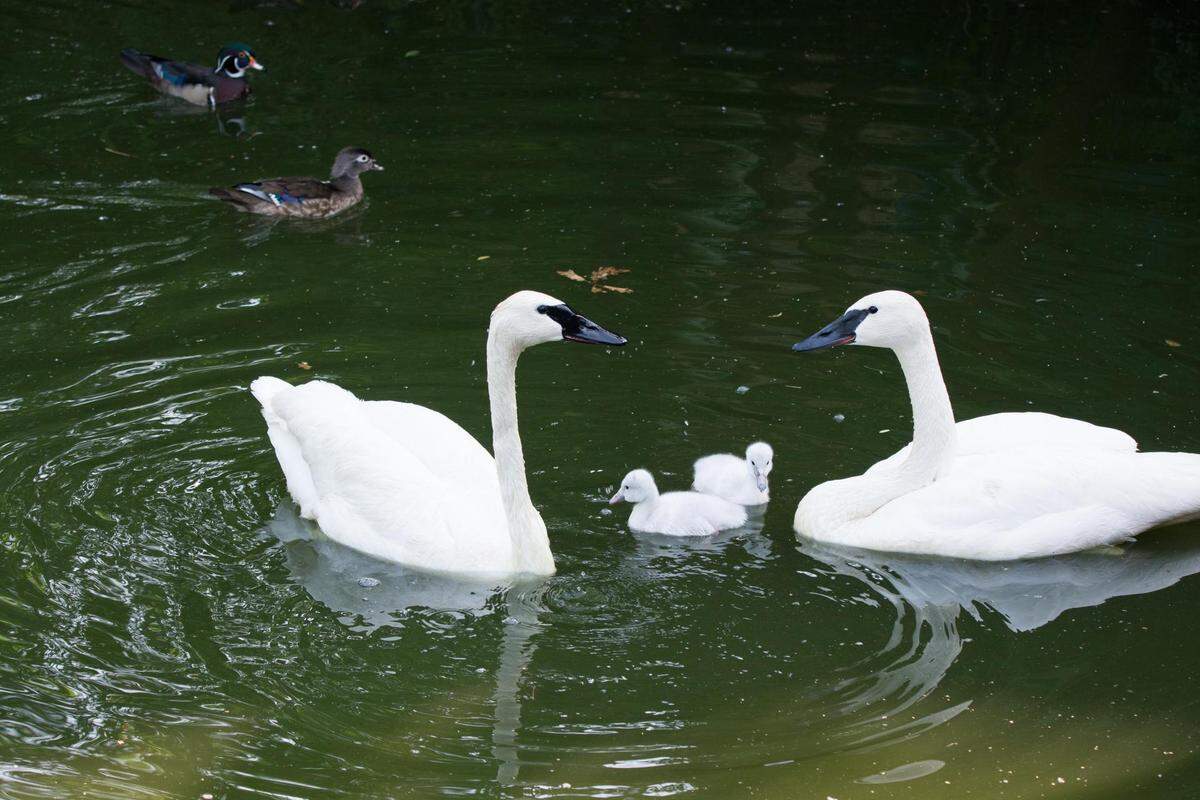
Female swans typically lay anywhere between two to six eggs at a time, and the incubation period is around 34 days. The eggs are about three times the size of a chicken’s egg, and Marilyn and Charlie’s cygnets weighed about 3.5 pounds at more than a month old.
“Now that they’ve pulled it off this year, we expect them to be able to have cygnets year after year,” Elden said.
How will the cygnets help to restore the species?
After the cygnets take more time to grow alongside their parents, zoo staff will begin to prepare them to move to an overwintering facility in Idaho, where they will join a group of other trumpeter cygnets, with the goal of releasing them into the wild this spring.
The transfer date goal is sometime in September or November, Elden said, though the babies may be taken off-view before then so they can be prepared for the journey.
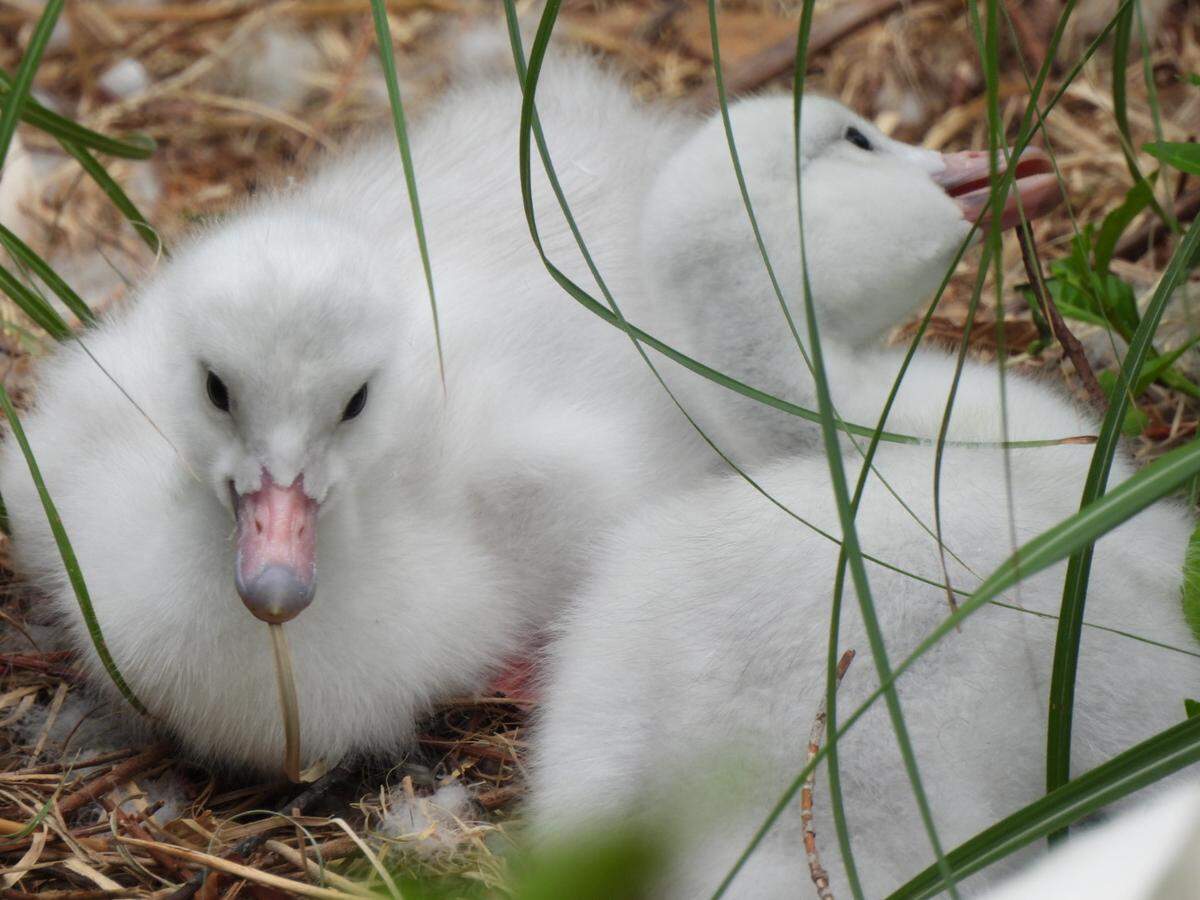
The Saint Louis Zoo cygnets are set to be part of the Oregon Restoration Project, which is being spearheaded by The Trumpeter Swan Society, the Oregon Department of Fish and Wildlife and the U.S. Fish and Wildlife Service.
The Oregon Restoration Project aims to revive and maintain trumpeter swan populations in the state, as the species disappeared from Oregon in the late 19th century.
From 2009 to 2020, project participants have released 128 swans, mostly cygnets, into the wild.
“Early results show about a 50% mortality rate the first year of release, due to predation, powerline collisions, and illegal shootings,” The Trumpeter Swan Society website reads. “A 50% mortality rate is not unusual.”
How can you get involved in swan conservation?
Residents of the greater St. Louis area and southwestern Illinois have a unique opportunity to directly participate in trumpeter swan conservation.
The Audubon Center at the Riverlands, located in West Alton, Mo., conducts the Great Rivers Trumpeter Swan Watch from early November to mid-February. Those interested in conservation work can participate in “early morning bi-weekly swan counts” during this period.
“That is an amazing place to see swans,” Elden said.
As many as 2,300 trumpeter swans spend the winter at the Audubon Center, according to its website, and anyone who is interested in taking part in the Great Rivers Trumpeter Swan Watch can contact conservation science associate Tara Hohman at tara.hohman@audubon.org.