Will Illinois get a permanent black bear population? Here’s what experts say
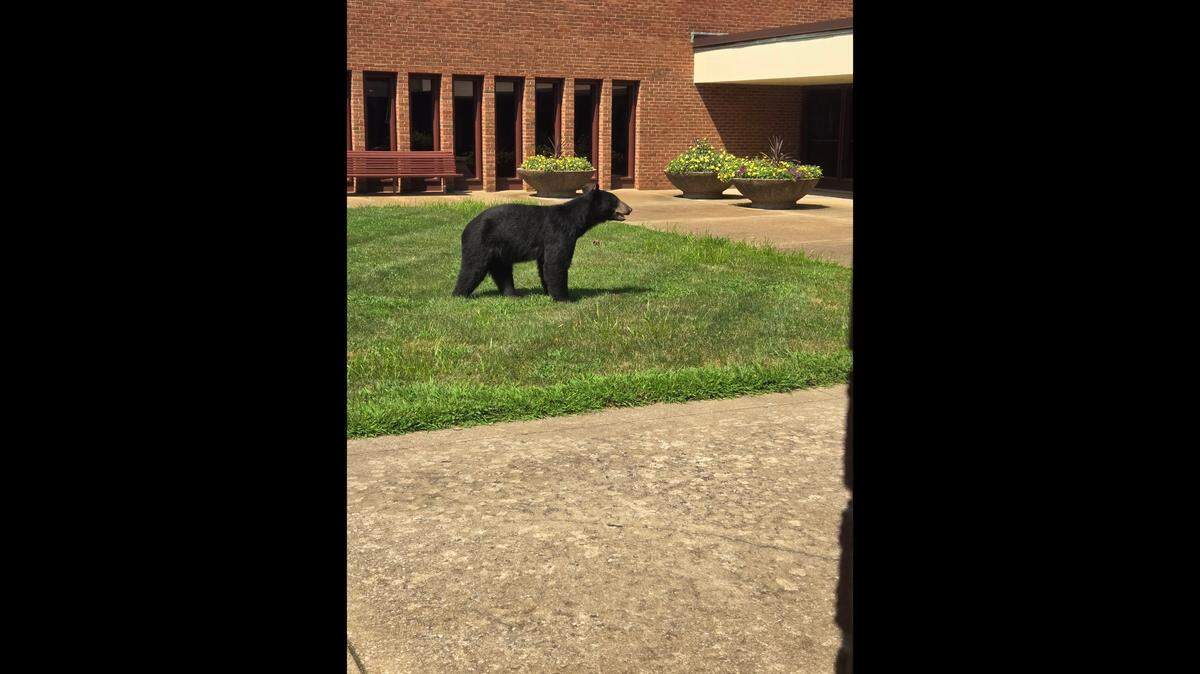
Illinois does not have a plan to reintroduce black bears to its wilderness, a state conservation police officer said, but he expects there will be a breeding population in the state “a considerable ways down the road” when female bears migrate to Illinois.
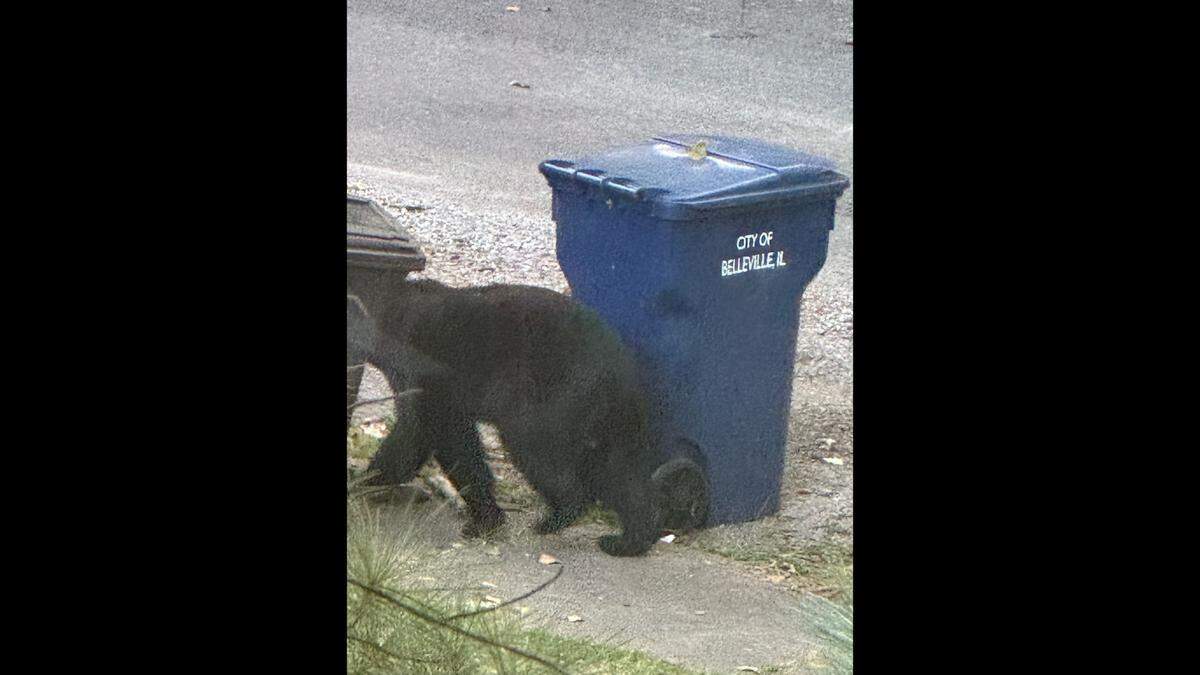
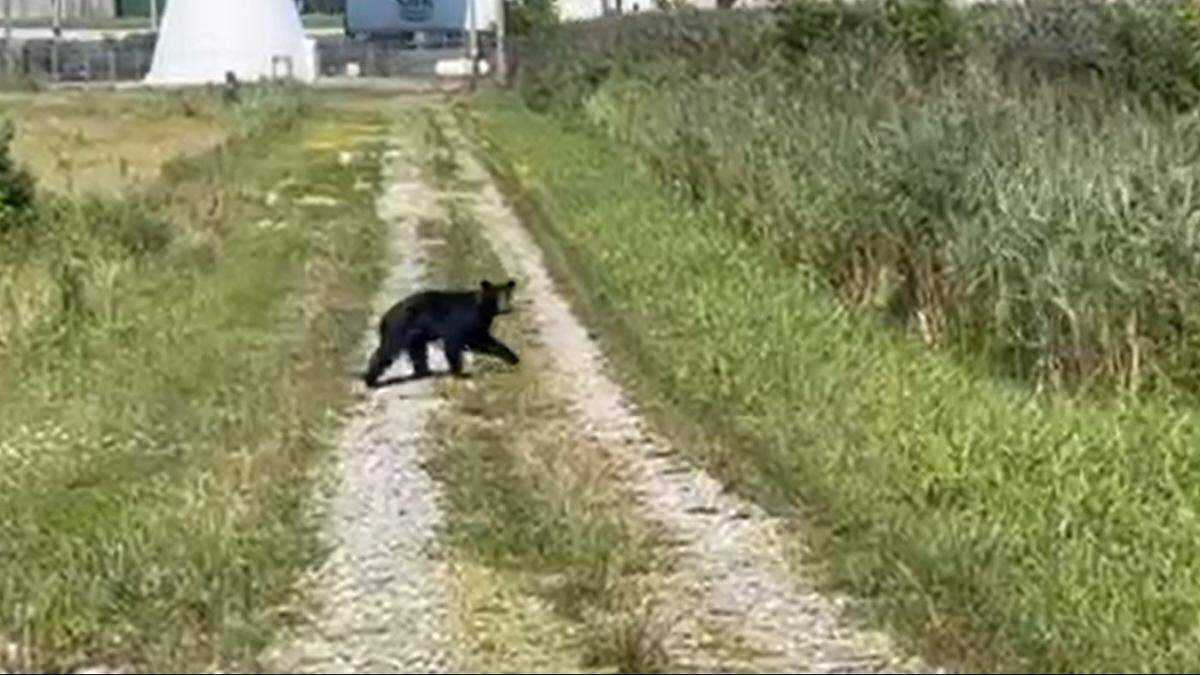
For now, there are just lone males roaming southern Illinois like the bear seen in the metro-east this week and another one in southern Illinois in July, according to Illinois Conservation Police Officer Don Schachner.
The male bears typically swim the Mississippi River from Missouri, where there is an established population of black bears of about 900. Missouri started a bear hunting season in 2021.
A Kentucky wildlife expert, who described bears as excellent swimmers, said a bear seen in Pope, Saline, Williamson and Jackson counties this summer likely swam across the Ohio River to enter southern Illinois from Kentucky. There are about 1,500 bears in Kentucky and a hunting season was established in 2009.
In 2021 a bear was spotted in Monroe, Clinton, Washington and Franklin counties. There also was a sighting reported in Randolph County in June 2023.
The Illinois Department of Natural Resources tracks and monitors this trend of male bears roaming into the state.

The male bears “range out much, much farther than the females do, they cover a lot of ground,” Schachner said.
“The females, they don’t expand as far out as the males do,” he said. “So until females basically work their way all the way across Missouri and into Illinois, well realistically, we’re not going to have a breeding population of bears in Illinois.”
But since the bear population in Missouri is expanding, Schachner predicts that a breeding population will be established in Illinois unless something “catastrophic” happens to the current population.
“But that’s a considerable ways down the road,” he said.
Bear habitat in southern Illinois
If female bears do make their way to southern Illinois along with the males, there is suitable habitat for them to survive, according to an assistant professor at Southern Illinois University Carbondale.
Guillaume Bastille-Rousseau, who is an assistant professor with the Cooperative Wildlife Research Laboratory at Southern Illinois University Carbondale, has expertise in wildlife and spatial ecology. For his master’s and doctoratal degrees, he researched interactions between black bears, caribou and moose in Newfoundland and Québec in Canada.
Bastille-Rousseau said the Shawnee National Forest, which spreads across the southern tip of the state, has oak trees that produce acorns that black bears eat in the fall as they build up their calorie reserves for the winter.

The forests in the Shawnee National Forest are “bit more fragmented” than the forests across southern Missouri so the population of bears in southern Illinois would not be as large as the ones seen in Missouri or Arkansas, he said.
“I think it could be a sustainable population,” he said.
Bastille-Rousseau noted that only young male bears are now seen in Illinois and they roam about 100 miles while female bears only range about 10 miles, especially if they have cubs.
As the black bear population in Missouri slowly moves eastward, that expansion could potentially lead to female bears migrating to Illinois and establishing a breeding population in Illinois.
But Bastille-Rousseau, like Schachner, said he doesn’t expect this to happen anytime “soon.”
Are black bears dangerous?
People saw black bears across southern Illinois this summer and have been posting videos and photos of the animals on social media.
And one of the questions raised by viewers centers on the dangers posed by black bears.
Wildlife officials from across the country say black bears generally are not aggressive toward humans and that fatal attacks are rare.
“A black bear is not likely to attack a person unless it feels trapped or provoked,” states a report by the Illinois Department of Natural Resources. “Respect the bear’s space, and do not approach the animal.”
Bastille-Rousseau said it is “very, very rare that you have negative interactions” with black bears.
When asked about the number of deaths caused by black bears as compared to the number of deaths caused by dog attacks nationwide, Schachner agreed that there is a great discrepancy in the numbers of the two types of attacks. He said this comparison puts some “perspective” regarding the possibility of a bear attack “that somehow seems to get blown out of proportion.”
In 2022, there were 98 fatal dog attacks in the United States, up from 81 in 2021 and 62 in 2020, according to Centers for Disease Control and Prevention statistics cited by USA Today.
An online search for fatal black bear attacks shows that there were two in 2023, with one in California and one in Arizona. There were no reports in 2022 and one in 2021.
Schachner noted that dogs are “domesticated animals” and they “don’t have fear of humans.”
“When they don’t have that fear of humans, then that natural inclination to stay away from people or to avoid people isn’t there anymore,” he said.
There also have been social media comments suggesting that wildlife officials tranquilize a black bear roaming through residential areas and then relocate it. Both Schachner and Bastille-Rousseau said this is not normally necessary.
Bastille-Rousseau said the long-range movements by the young male bears are “already pretty stressful for the animal, like everything is new.”
“Unless there’s a problem, really let that bear be and basically enjoy the fact that you get to see a bear in your backyard for a couple of days.”
Safety guidelines
If you encounter a black bear, the U.S. Forest Services offers these tips:
- Do not run. Remain calm, continue facing the bear and slowly back away.
- Keep children and pets close at hand.
- Make lots of noise. Yell, rattle pots and pans, whistle and break sticks.
- Never approach or corner a bear.
- Never offer food to a bear.
- Be aware of the presence of cubs and never come between a bear and its cubs.
- Fight back aggressively if a bear attacks you.
If you live an area with black bears, the Illinois Department of Natural Resources offers these tips:
- Secure food, garbage and recycling.
- Remove or limit use of bird feeders when bears are active.
- Avoid leaving pet food outdoors.
- Thoroughly clean and store grills and smokers after each use.
- Alert neighbors to bear activity.
This story was originally published August 9, 2024 at 7:16 AM.