
Earthquake recorded in southern Illinois. If you felt it, the USGS wants you to report it
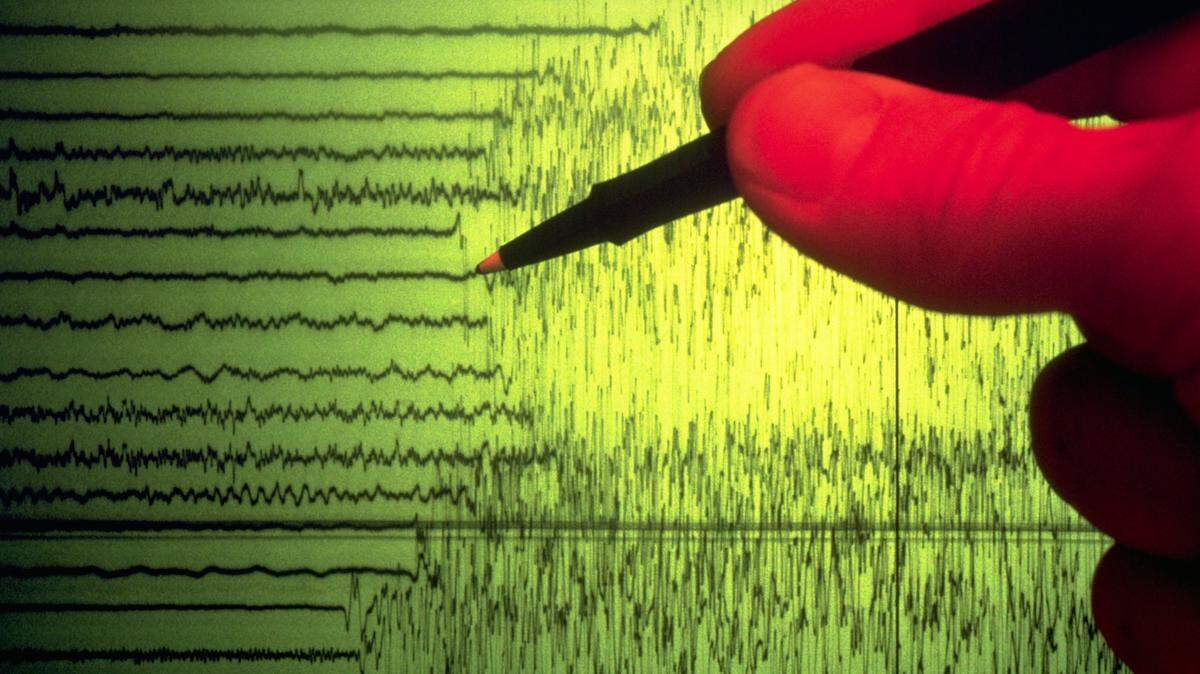
A 2.4-magnitude earthquake was recorded Wednesday night about five miles northwest of Keyesport, the United States Geological Survey said.
The quake hit at 9:50 p.m. Wednesday and it was about seven miles below the surface.
The epicenter was off Illinois 127 near Tamalco Avenue in southern Bond County.
If you felt the quake, you can go to the USGS website to give the agency information about your experience. Seven responses had been sent as of Thursday afternoon.
About 1 million earthquakes of similar magnitude occur globally each year and are usually felt by people close to the epicenter, but cause no damage. According to the USGS, the territory of the quake is part of the Illinois Basin-Ozark dome region, which borders the New Madrid seismic zone.
The Illinois Basin-Ozark dome region covers parts of Indiana, Kentucky, Illinois, Missouri and Arkansas and stretches from Indianapolis and St. Louis to Memphis.
According to the Illinois Emergency Management Agency, the New Madrid seismic zone, which includes parts of southern Illinois and Missouri, averages about 200 measurable “events” per year, most of which are not felt. Tremors between magnitude 2.5 and 3.0 occur annually with a 4.0 or greater about once every 18 months and 5.0 or above every 10 years.
This New Madrid area produced a series of three major earthquakes in the winter of 1811-12. They occurred on Dec. 16, 1811, with an estimated 7.5 magnitude; on Jan. 23, 1812, with a 7.3 magnitude; and on Feb. 7, 1812, with a 7.5 magnitude, according to the USGS.
These New Madrid earthquakes are believed to be the largest earthquakes east of the Rocky Mountains in the history of the United States, according to a report by the Missouri State Emergency Management Agency.
The U.S. Geological Survey rates earthquakes on a scale relative to the amount of damage they can cause:
2.5 or less: Usually cannot be felt.
2.5-5.4: Often felt, but causes only minor damage. There are an estimated half-million worldwide each year.
5.5 to 6.0: There may be slight damage to buildings and other structures. They are more rare, though, with 350 or so annually.
6.1-6.9: The 100 that occur annually may cause significant damage in areas that are highly populated with a density of buildings.