Plan calls for $30 million in Cahokia Heights sewer repairs. Residents say it’s not enough
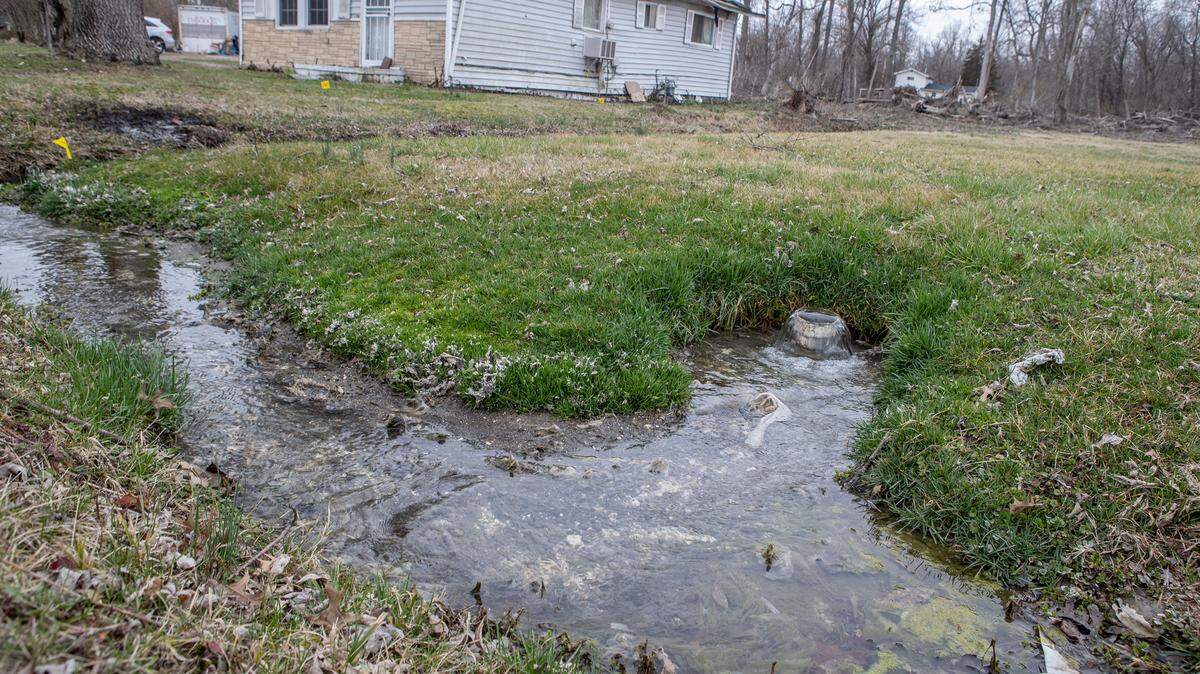
The U.S. Environmental Protection Agency, Department of Justice and state of Illinois on Tuesday announced a proposed settlement agreement they negotiated with Cahokia Heights that outlines plans to address the sewage that spills out of the city’s failing infrastructure.
If approved by the U.S. District Court for the Southern District of Illinois, the settlement would require Cahokia Heights to pay a $30,000 civil penalty for the illegal sewage discharges and make an estimated $30 million in repairs.
But residents think the settlement allows “an unreasonably long timeline” for those repairs and fails to fully address the community’s problems by excluding significant flooding issues, which cause sewers to overflow, according to a news release provided by their attorneys. Plans revolve around the sewer system and give the city five to 11 years to complete them.
“Residents have been living in these conditions for decades — many for their entire lives. They should not have to wait any longer to live in homes free from raw sewage and floodwaters,” resident attorney Nicole Nelson stated in the release.
Federal and state governments alleged in a civil complaint filed simultaneously on Tuesday that Cahokia Heights’ sewers have overflowed and spilled into area waterways on more than 300 occasions since November 2019, in violation of the federal Clean Water Act.
The city’s records and inspections by federal and state environmental protection agencies documented the overflows. Most of them came from a pipe on a residential street, North 82nd, according to the complaint. Sewage flows from the pipe into a roadside ditch that connects to other drainage canals, including Harding Ditch, before emptying into the Mississippi River, the complaint states.
The EPA acknowledged in Tuesday’s announcement that untreated sewage, which carries bacteria, viruses and other harmful organisms, has also spilled into roads, yards and homes.
Federal and state EPA officials also stated that the city’s failure to properly operate and maintain the sewer system caused the sewage overflows, created public health risks and contaminated homes and the environment.
“We are taking action to ensure that the city of Cahokia Heights operates its sewer system in a way that complies with the Clean Water Act, and to protect human health and the environment in the community,” Assistant Attorney General Todd Kim of the Justice Department’s Environment and Natural Resources Division stated in the announcement.
The EPA provided this overview of the work the city would be required to do to address the issues under the settlement:
Phase 1:
- The city is required to begin systematic cleaning of the entire sewer system and to develop and implement a plan for a portion of the sanitary sewer system to determine the sources and causes of the city’s ongoing sanitary sewer overflows during wet weather.
- By 2029, Cahokia Heights is required to prepare a report describing in detail the deficiencies discovered during a sewer condition assessment.
- By 2029, the city must complete a Phase 1 Sewer Rehabilitation Plan, which will require the city to repair or replace sewer lines and defective manholes.
After completing Phase 1, the city is required to determine whether it continues to experience capacity-related sanitary sewer overflows. If capacity-related sanitary sewer overflows remain a problem, then the city is required to prepare a Capacity Analysis Alternatives Plan.
Phase 2:
- Cahokia Heights is required to investigate areas of the sanitary sewer system not evaluated in Phase 1 to determine the condition for the remainder of the sewer system and prepare another report, as well as a Sewer Rehabilitation Plan describing the corrective measures to repair the additional sewer system defects by 2035.
Members of the public will have 60 days to read and comment on the proposed settlement. Federal and state governments can withdraw from the agreement if the comments disclose “facts or considerations indicating that the (settlement) is inappropriate, improper, or inadequate.”
More information about how to submit public comments will soon be available online at justice.gov/enrd/consent-decrees.