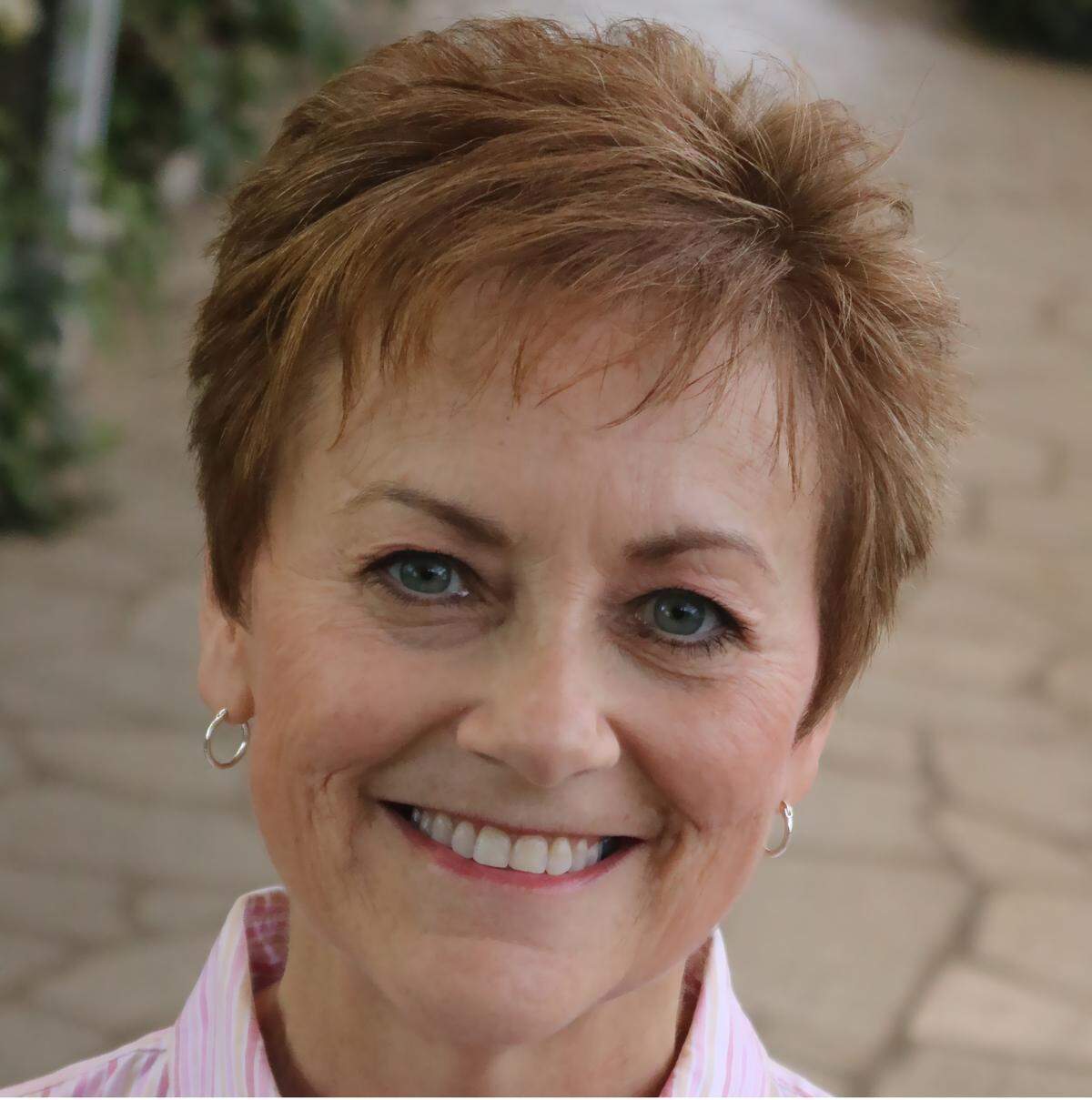
Wife’s chronic pain led metro-east man to fight for looser opioid restrictions
Gene Triefenbach has been a community activist for decades, but no cause has affected him more personally than his fight to get medication for his wife’s chronic pain related to cancer surgery.
The 61-year-old New Athens man tears up when describing the physical suffering and “pain-induced psychosis” that regularly landed Chrissy Meggs in emergency rooms and mental wards for three years, before they found a St. Louis doctor willing to prescribe morphine.
Triefenbach argues that public officials went too far in the late 2010s when enacting stricter laws and regulations to address the opioid crisis, keeping doctors and pharmacies from prescribing or dispensing drugs such as oxycodone, even when patients truly needed them.
“At one point, a nurse told me to just buy (drugs) on the black market, which we did for a while, but of course that’s a terribly expensive game, and the reliability of the product is just not there,” Triefenbach said this week.
The couple are thrilled now that the Illinois General Assembly seems poised to pass legislation during a lame-duck session Jan. 2-7 that could make it easier for patients to get narcotics for chronic pain.
House Bill 5373, which is supported by the Illinois State Medical Society, would revise the Illinois Controlled Substances Act.
The bill passed the Illinois House on April 18 before the Illinois Senate passed an amended version on Nov. 20. If the House approves that version, it could be signed into law by Gov. JB Pritzker.
“It would allow physicians to make necessary prescriptions for controlled substances, including opioids, without strict limitations based on dosage amounts except as provided under federal law,” according to a synopsis by the Illinois Senate Democratic Caucus.
The bill also is designed to protect patient confidentiality by preventing the release of opioid prescription and treatment information without legal orders or administrative subpoenas.
Opioid crisis led to stricter laws
The term “opioid crisis” refers to the widespread misuse of prescription and non-prescription drugs that has caused hundreds of thousands of overdose deaths in the United States since the late 1990s, according to the U.S. Centers for Disease Control and Prevention.
CDC guidelines issued in 2016 prompted states, including Illinois, to enact strict laws and regulations, limiting the ability of doctors to prescribe narcotics without risk of license revocation or criminal prosecution.
That created a new set of problems for people with chronic pain, according to Dr. Richard C. Anderson, a thoracic surgeon in Peoria and president-elect of the Illinois State Medical Society.
“There are people who fall outside of normal recommendations, and it became very difficult for those patients to get treated,” he said.
Anderson has heard reports of people suffering horribly or buying drugs illegally and taking them with no quality controls or physician monitoring. Some even consider suicide, he said.
The CDC issued new guidelines for prescribing opioids in 2022. They acknowledge that all patients are different, some need treatment for chronic pain and doctors should be able to make decisions about their medical care on a case-by-case basis, Anderson said.
The Illinois State Medical Society and others began pushing for officials to align state laws and regulations with the new guidelines. They worked with State Rep. Kelly Cassidy (D-14th District) and State Sen. Laura Fine (D-9th District), sponsors of House Bill 5373.
Anderson emphasized this week that the Illinois State Medical Society still takes the opioid crisis seriously, and its members believe boundaries are needed for prescribing narcotics.
“Our goal is to make sure our patients are getting taken care of,” he said. “That is our full emphasis.”
42 trips to emergency room
Triefenbach is a retiree who formerly worked as a lobbyist and car salesman, sold marijuana, advocated for legalization through the National Organization for the Reform of Marijuana Laws (NORML) and volunteered with the ACLU of Eastern Missouri.
Meggs, 53, formerly operated a store at Camp Zoe in Missouri. The couple have been together for 30 years and married for three. Their blended family includes five children and five grandchildren.
Meggs was diagnosed with lung cancer six years ago. Surgery “cured” the cancer, according to Triefenbach, but nerve damage and repositioning of her ribs continued to cause severe and constant pain.
Meggs needed morphine, he said, but doctors didn’t want to prescribe such a powerful narcotic, so she took other medications while experiencing symptoms such as seizures, falls, sleep apnea, weight gain and vision loss.
“I’ve had to call 911 42 times in the past three years for seizures,” Triefenbach said. “I’m not exaggerating. This has cost the state well over a million dollars because she’s on (Medicaid).”
Triefenbach began reaching out to state legislators and anyone else who would listen, begging them to change laws and regulations so doctors could adequately treat patients with chronic pain without fear of being arrested or stopped from practicing.
Triefenbach said his wife’s condition improved dramatically early this year, when Medicaid officials got her connected with a St. Louis doctor willing to prescribe two 30-mg doses of morphine a day. Her old personality is back, and she’s even riding a bicycle.
Triefenbach said he knows other metro-east residents who aren’t getting medication they need for chronic pain, and he’s hoping to see House Bill 5373 become law for them.
“So you don’t have to go home from your doctor anymore crying because you’re in pain, the doctor knows you’re in pain, he has the cure for your pain in his hand, but you can’t pry it open,” he said.
This story was originally published January 2, 2025 at 6:00 AM.