Can metro-east food pantries handle demand if SNAP is stopped by shutdown?
For moms Makayla Hawks and Liz Tomarchio, uncertainty around food stamps comes at an especially difficult time.
They are among about 100,000 metro-east residents who rely on monthly assistance from the Supplemental Nutrition Assistance Program, or SNAP, to purchase groceries.
President Donald Trump’s administration warned earlier in October that funding for the program would run out by Nov. 1, citing the ongoing U.S. government shutdown. Congressional Democrats are pushing back on that explanation.
They argued in a letter Friday that federal officials could use contingency funding or transfer money from other nutrition programs during the shutdown to maintain SNAP benefits, a position the administration disputes.
Meanwhile, families like the Hawks’ and Tomarchio’s are left wondering how they’ll afford food without it.
Tomarchio’s boyfriend recently suffered a back injury and is unable to work. The Collinsville mother supports her family of four on a $15.50 hourly wage from a part-time job and food stamps, which are typically used up before the month ends.
Hawks has 8-month-old twins who were born prematurely and have complex medical needs. It has been hard for Hawks and her partner to find jobs that accommodate the family’s schedule of doctor’s appointments and physical, occupational and speech therapy sessions.
Pressure for the Alton couple to find employment is amplified by the uncertainty around SNAP.
“If worse comes to worst, I’ll have to use the food pantries,” Hawks said. “But I know they’ll have an increase of people coming.”
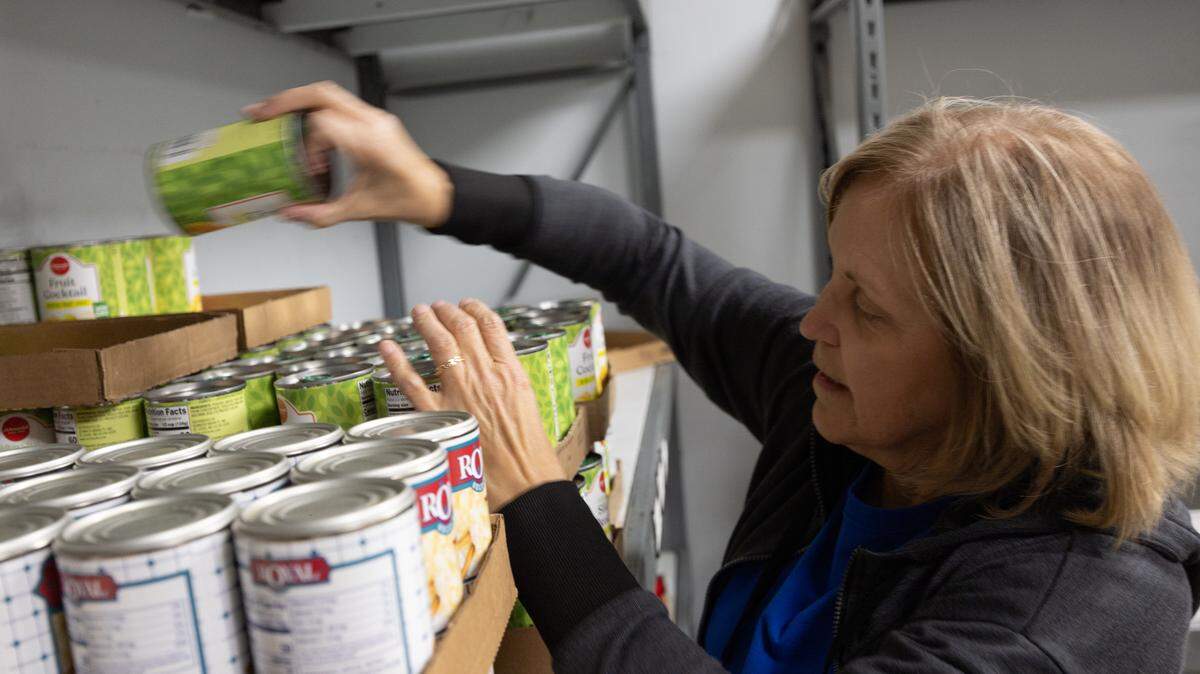
Area food pantry shelves are already sparse because demand has been growing while donations have decreased, according to several pantry managers in East St. Louis, Belleville and Cahokia Heights.
They say they’ll need help from the community to meet the need if SNAP benefits cease.
Food supply from donations takes a hit
Nearly 600 organizations in southwestern Illinois and eastern Missouri receive food donations for their communities through a partnership with the St. Louis Area Foodbank.
Food pantry managers at the Lessie Bates Davis Neighborhood House in East St. Louis and Cahokia Community Basket in Cahokia Heights said they’ve noticed an overall decrease in what’s available.
That’s due in part to increased demand, according to St. Louis Area Foodbank spokesperson Ericka Kinkead. However, food banks across the country have also lost some of their supply to federal spending cuts.
This spring, the Trump administration canceled more than 4,000 deliveries of meat, dairy, eggs and produce to food banks between May and September — a $500 million cut, according to reporting by ProPublica.
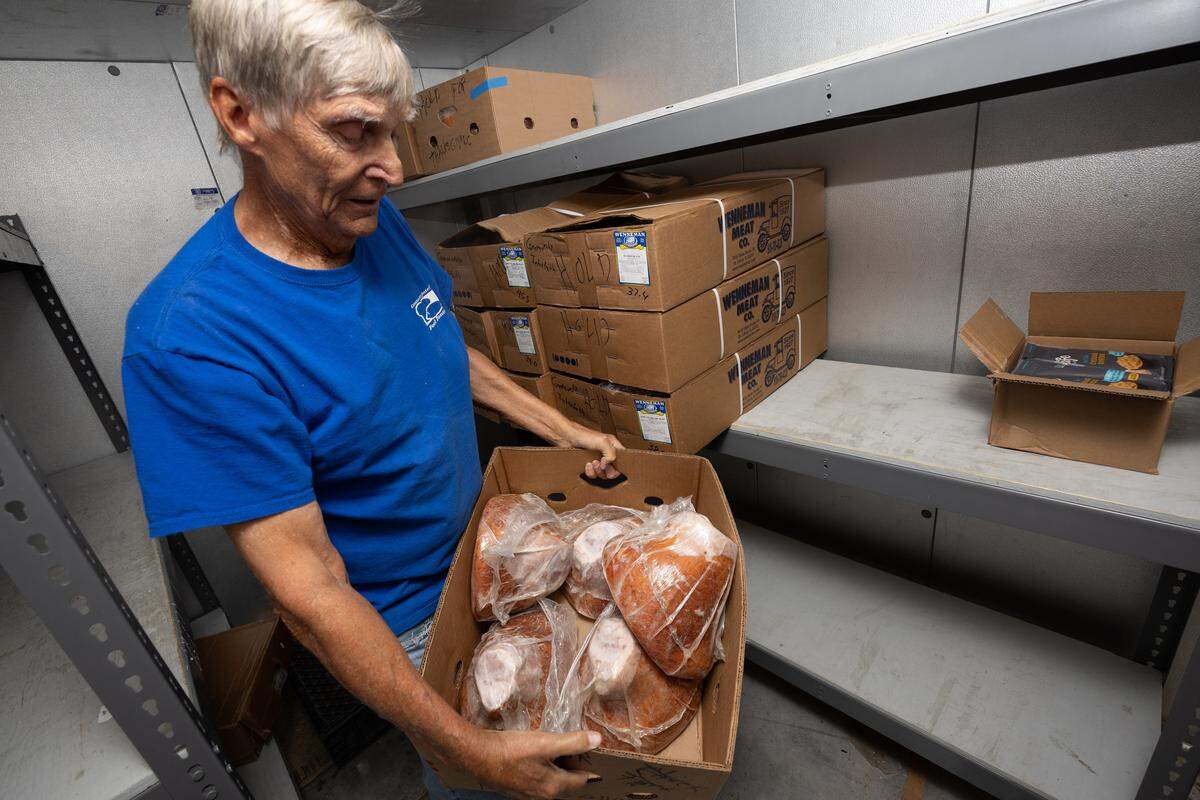
Among those were 50 canceled deliveries to the St. Louis Area Foodbank. One delivery would have included 1,800 gallons of 2% milk, ProPublica reported.
The administration is also ending a federal program that paid family farmers to send their fresh produce, meat and grain products to food banks.
At the same time, food pantries say they’re receiving fewer donations from individual and corporate donors.
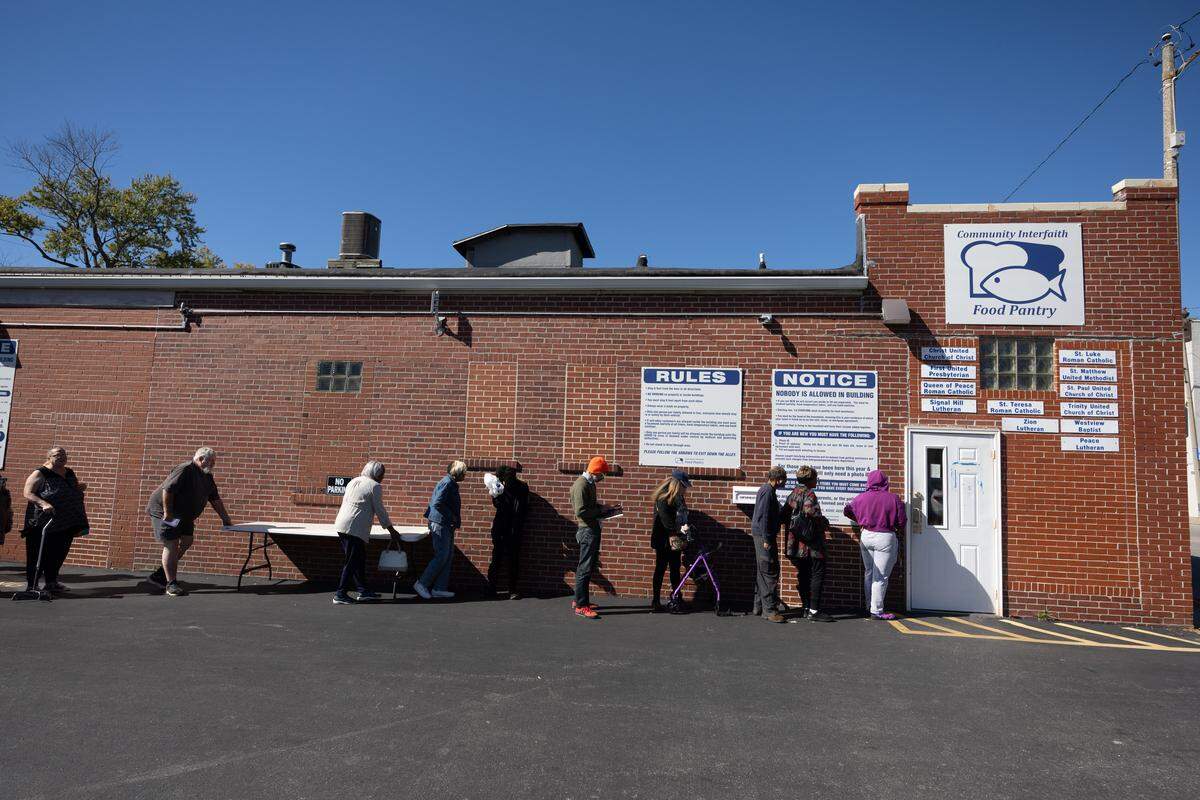
Michael Foppe, director of Community Interfaith Food Pantry in Belleville, said he thinks people and businesses have less to give because of their own economic challenges.
“I just think everybody has tightened their belts,” Foppe said. “Everybody’s bills have gone up considerably.”
Metro-east pantry leaders said donations of canned and boxed goods, as well as household and hygiene products and monetary donations, would help them fill gaps on their shelves.
Local pantries see increased demand
The Lessie Bates food pantry usually serves about 1,000 people a week — and more lately, with lines that stretch almost around the building, according to the Rev. Gary Gaston, the organization’s CEO.
Holly Elder, director of Cahokia Community Basket, said the Cahokia Heights food pantry sees new people every week. It serves 600 to 800 patrons weekly.
The Salvation Army’s food pantry in Belleville saw 30 new families just on Thursday, according to Ken Jones, an ordained minister for the organization’s St. Clair County Corps. It serves more than 800 families a month.
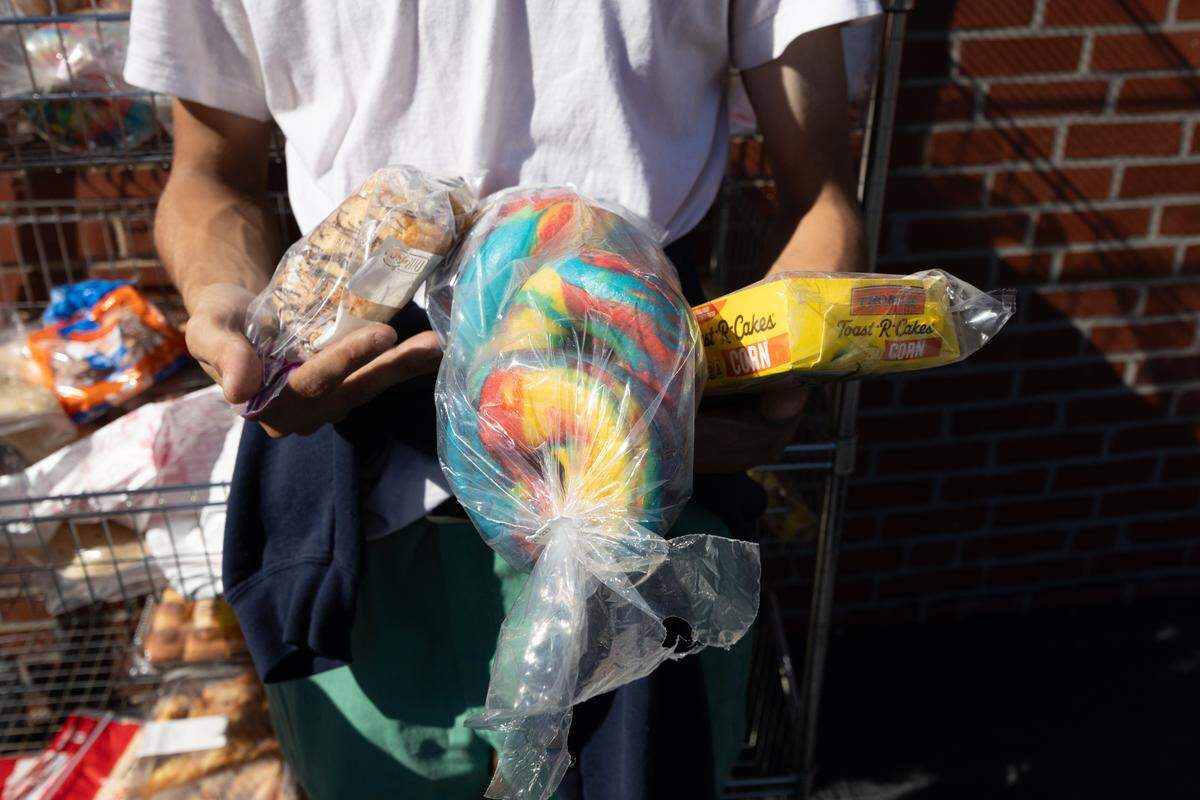
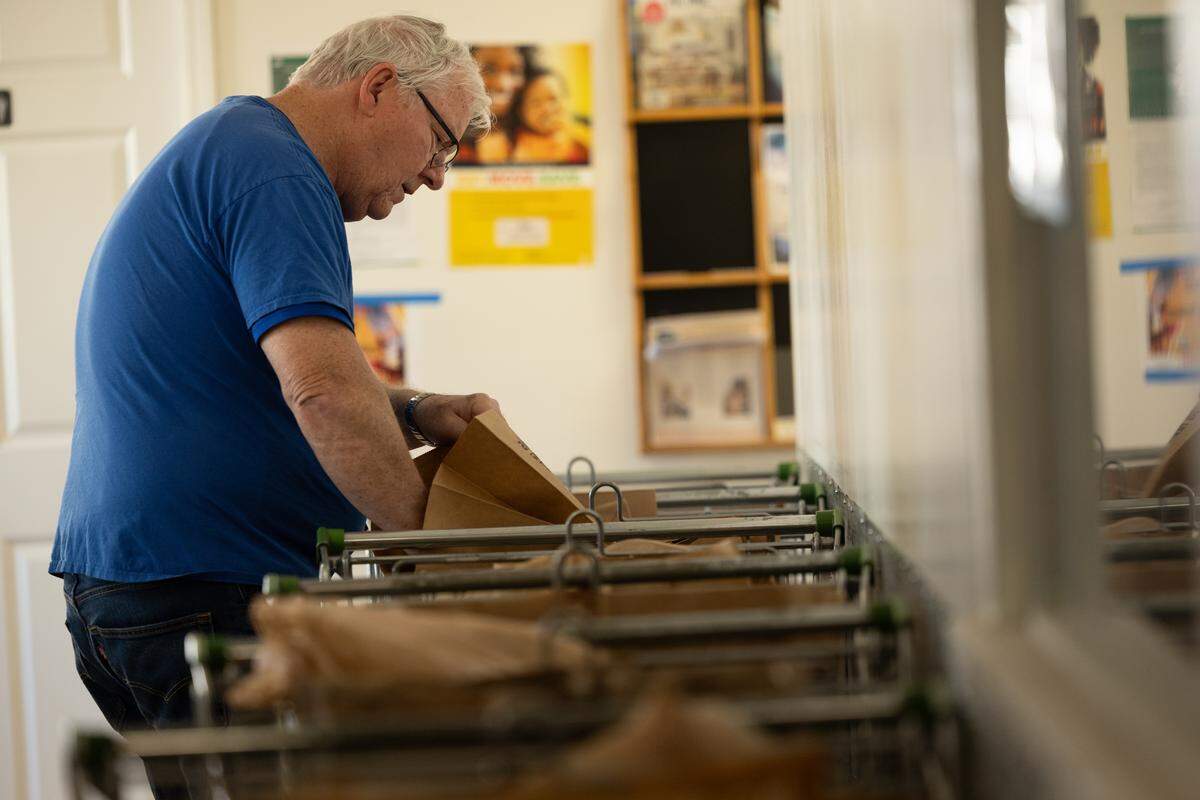
In Belleville, Foppe said the number of people seeking help at Community Interfaith Food Pantry has doubled. It now serves about 600 families a month.
Toni Muhammad, executive director of Catholic Urban Programs in East St. Louis, said its food pantry, the Hub, has been advising patrons to make meals such as stews that they can stretch over several days, with the possibility of SNAP benefits ending.
The Hub serves at least 100 people every week. About a third receive a small amount of food stamps and supplement their groceries with food from the pantry.
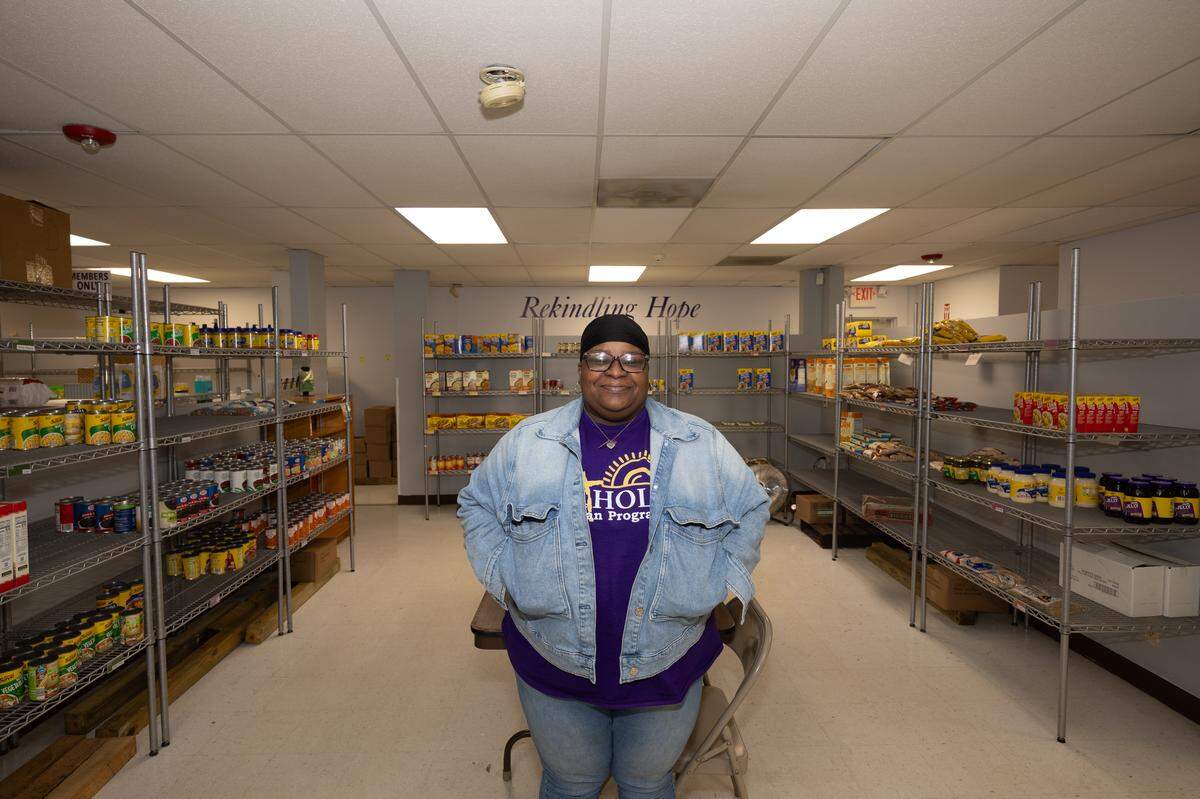
Tomarchio said she and a friend were recently talking about whether they’ll need to visit a food pantry to feed their families soon if they lose food stamps. It would be the first time for either of them.
Tomarchio said she hasn’t wanted to take resources from someone else in the community, and she still feels hesitant.
“Why use it when there’s somebody else in need who could use it? That’s how I look at it,” she said.
But food pantry leaders like Elder are encouraging people to ask for help, even in times of high demand.
“Go get the food, please. … Get all you can because they’re not going to help us,” Elder said of elected officials. “We have to help ourselves.”