Judge tosses East St. Louis’ $2.7 billion PCB case against Monsanto
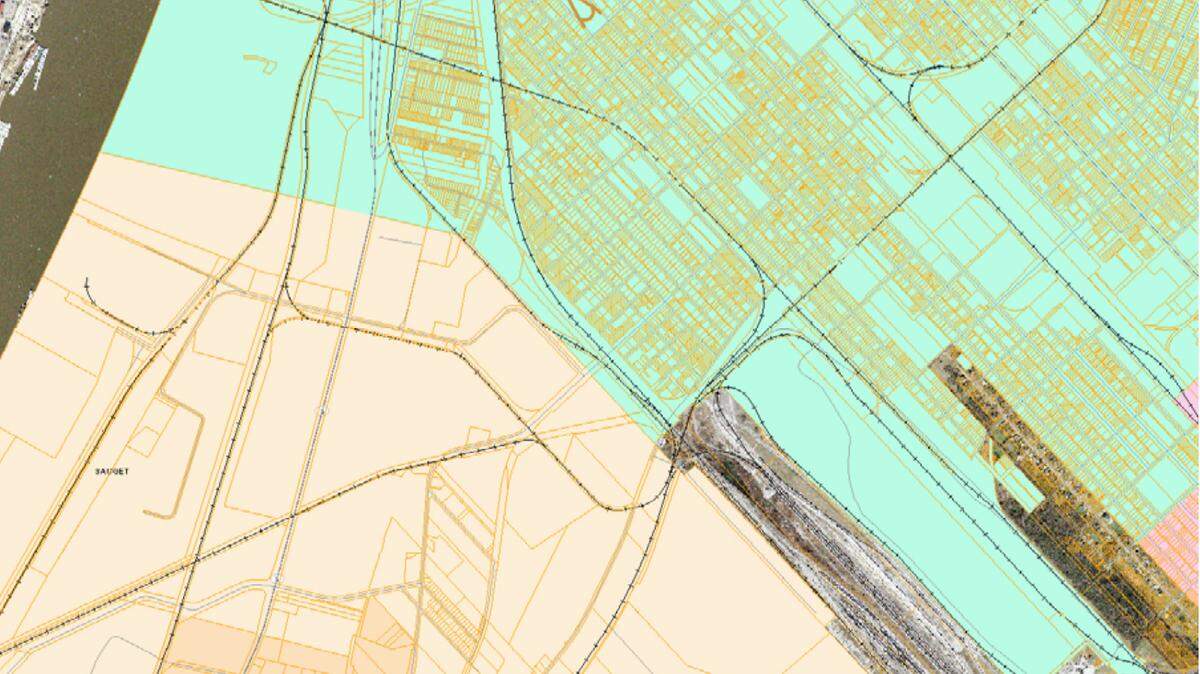
A federal judge on Friday dismissed the city of East St. Louis’ claims for massive fines over alleged pollution from the old Monsanto chemical plant in Sauget.
U.S. District Judge David W. Dugan of the Southern District of Illinois ruled the city’s 2021 complaint against Monsanto and its successor companies was filed too late. The statutes of limitations and repose had passed on contamination officials discovered decades ago, he said.
East St. Louis was seeking damages for contamination from toxic chemicals known as polychlorinated biphenyls, or PCBs.
According to the lawsuit, the Monsanto plant manufactured PCBs from 1936 to 1977, incinerated the chemicals there after 1977 and deposited PCB waste in toxic dumps in Sauget from the 1940s to the 1980s.
PCBs were used in hundreds of industrial and commercial applications, including in electrical, heat transfer and hydraulic equipment and in paints, plastics and rubber products, according to the U.S. Environmental Protection Agency. They have been shown to cause cancer and other serious health effects in animals and are probable carcinogens for humans.
Their manufacture has been banned since the 1970s, but the chemicals linger in the environment.
The city argued the Monsanto plant violated its municipal littering and nuisance ordinances, which are punishable by a fine of up to $750 per day.
Lawyers for Monsanto Co., Solutia Inc. and Pharmacia LLC estimated in court documents that the cost of East St. Louis’ fines could be more than $2.7 billion.
In a statement Friday, Monsanto said it is pleased with Dugan’s ruling to dismiss the case.
Lawyers for the city of East St. Louis from Chatham & Baricevic in Belleville said they could not comment at this time.
Government agencies get immunity from time limits to file claims if they can show the action was in the public interest.
East St. Louis told the court it “faces immense financial obligation if it cannot recover PCB cleanup costs through this suit.”
Dugan rejected that argument. He noted the 273 properties where the city alleged PCB contamination are vacant lots with no specific development plans. Dugan also said the city failed to provide evidence that PCBs migrating from those properties create a measurable risk to public health.
This story was originally published March 2, 2026 at 6:00 AM.