State-funded program opens ‘barrier-free’ path to clean energy jobs in metro-east
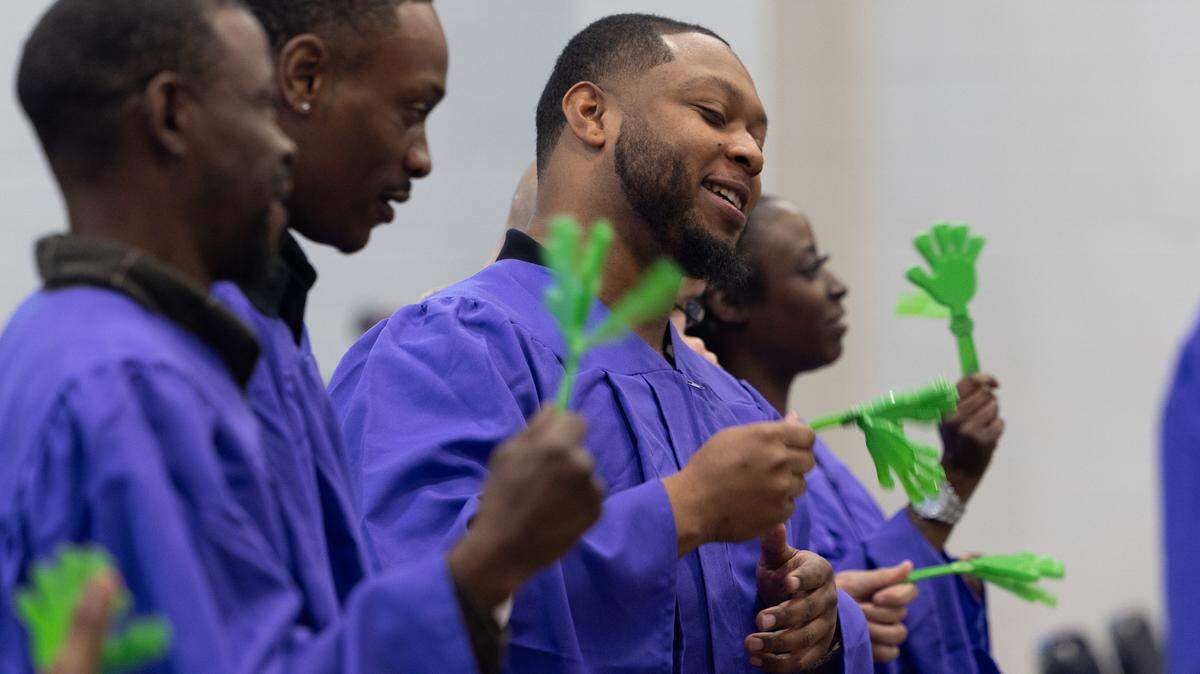
As a certified nursing assistant, East St. Louis’ Jessica Hicks takes care of people every day. Hicks said an Illinois workforce initiative that’s helping her shift careers to the clean energy sector unlocked a different pathway to help others.
“I believe in giving back to the community,” Hicks said. “(Renewable energy) is the best thing for future generations.”
Hicks is one of 17 individuals who graduated Friday morning from the East St. Louis Clean Jobs Workforce Network Program. It’s one of several initiatives funded through Illinois’ Climate and Equitable Jobs Act, which aims to transform the state to 100% clean energy by 2050.
Macedonia Development Corporation, with the help of other area organizations, brought the program to East St. Louis.
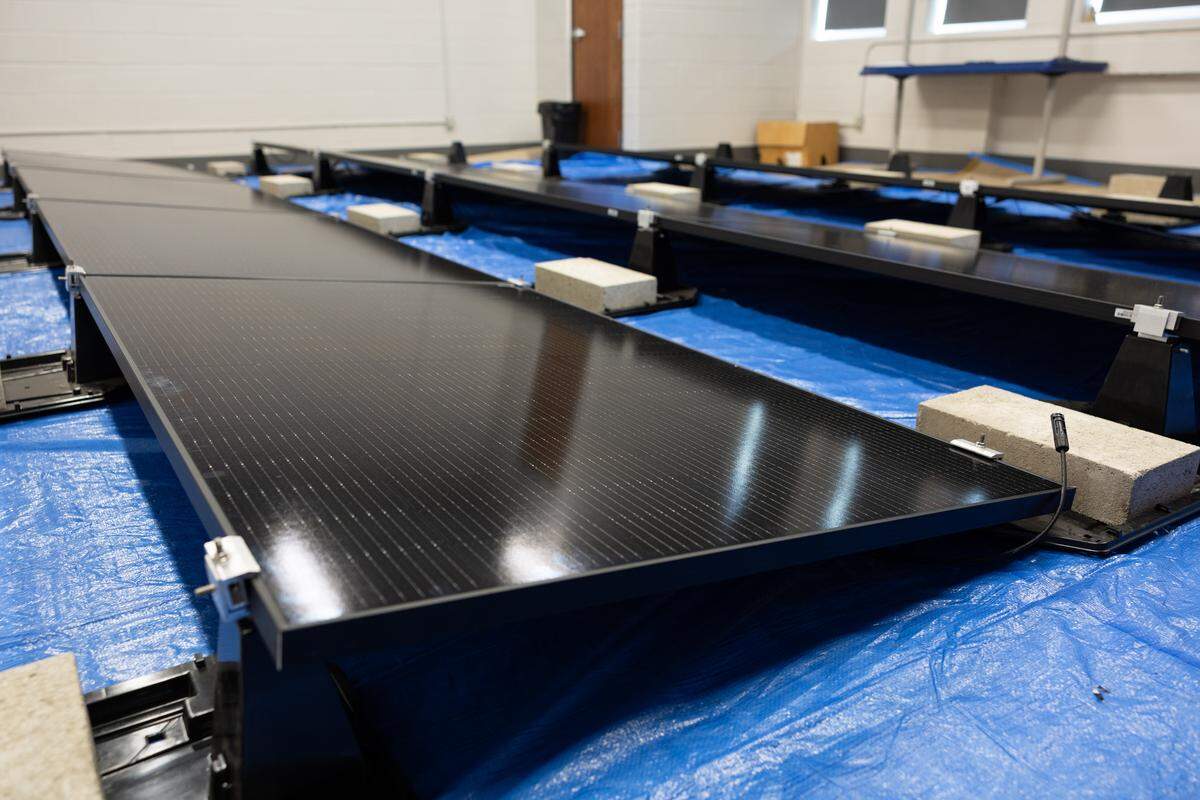
All East St. Louis program participants received foundational environmental education and general industry training, and then could specialize and earn certifications in either weatherization — which refers to ways to make buildings more energy-efficient — or solar power. All of this is free of charge to the participants, thanks to state funding.
“They can walk right into a career,” said Jackie Daniel, Macedonia Development Corporation’s director of workforce programs.
Hicks, who took the solar power route, said the program gives her several options. She could design, consult on and sell, or install solar arrays, and will possibly help facilitate the program’s next cohort. Some graduates who spoke at Friday’s ceremony mentioned starting their own businesses.
Daniel said the graduates who studied solar power will have even more possibilities after they take an additional test next week.
Clean energy career salaries can vary. For example, ZipRecuriter charts the average annual salary of a weatherization technician in Illinois at $50,330 and a solar installer at $55,855.
Daniel said the goal of the East St. Louis Clean Jobs Workforce Network Program is to provide “barrier free” opportunities. That means not only providing the education and training to participants at no cost, but also other supports — from child care to covering gas costs to even mental health services — that help ensure they complete the program.
It’s particularly important to grow clean energy professionals in East St. Louis, as the city is widely known for environmental hazards, Daniel said. She noted brownfield sites — once-developed land that has since been abandoned and is potentially contaminated — and pollutants from the major highways that run through and near the area.
“It’s an opportunity to take our land back,” Daniel said.
For more information, contact Daniel at jackied@mdcnfp.org.