Swansea votes to scrap crime-free housing program, citing unused provisions
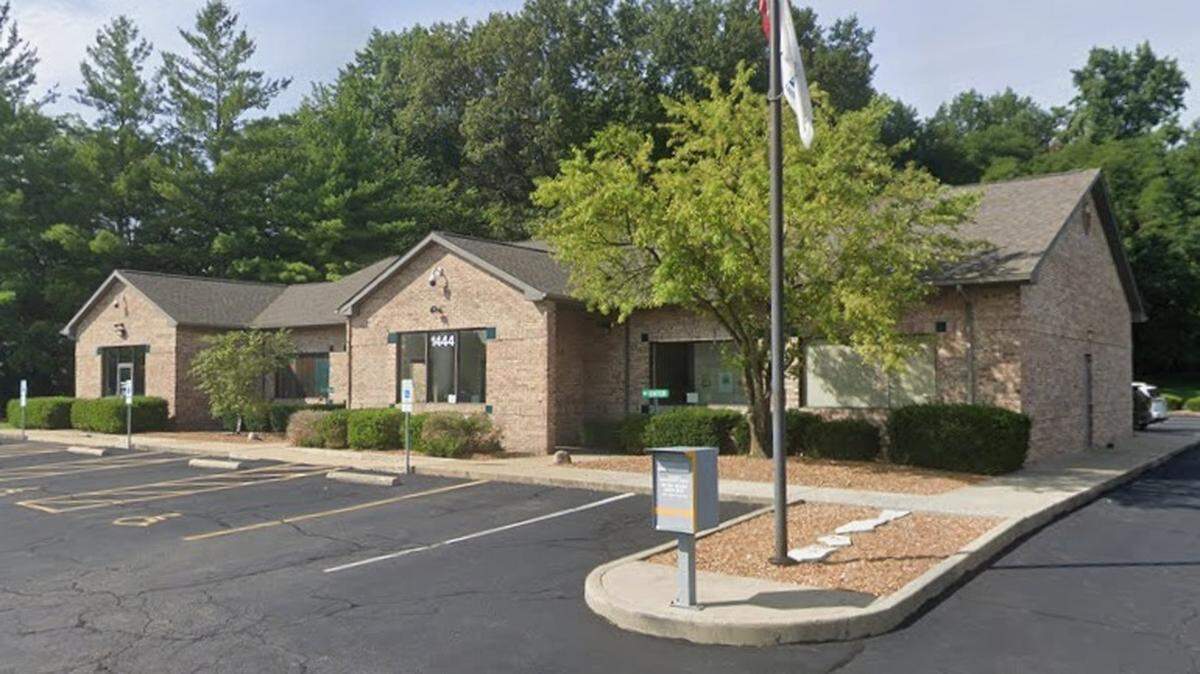
Swansea’s voluntary crime-free housing program will end following a vote of the village’s Board of Trustees.
The village passed the ordinance with no additional public discussion after its introduction at the May 4 Community and Economic Development Committee meeting.
Building and Zoning Director Dan Thomas spoke at the May 4 meeting, saying that the village can manage crime and nuisances at rental properties without the program.
“The village already has tools to hold rental property and all property to an acceptable standard, has code enforcement working at a rate that has been unseen for years prior and already maintains property maintenance and zoning standards, nuisance violations, and police interventions for criminal matters,” he said.
“It sounds bad that crime-free housing is being repealed, but we already do it,” said Police Chief Matthew Blomberg. “We just don’t do it underneath all the red tape that is listed in the 10-page legislation that was passed in 2018. So everything that it’s asking to do, we can do.”
Other reasons given for the program’s demise included that provisions of the program’s ordinance were never implemented.
The Voluntary Crime-Free Housing Program called for the following:
- The establishment of an oversight committee to analyze crime statistics and program outcomes and to respond to any community concerns. The village president appoints members, including homeowners, landlords, trustees, real estate agents and property managers.
- Village-led training for participating landlords on topics such as applicant screening and rental law.
- Police send participating landlords notices about crime on their properties triggering evictions.
The oversight committee was never created, and landlord training occurred on only two occasions, both led by Thomas’ predecessors.
Landlords are already able to access the police department’s crime blotter on the village website and can contact the department for incident reports, Blomberg said.
The ordinance repealing the program passed on a 5-1 vote at Monday’s meeting. Trustee Brian Thouvenot was the lone “no” vote.
Liquor control amendments
The Village Board also voted to increase the number of allowed Class C liquor licenses from nine to 10.
Two proposed amendments, which will be voted on at the June 1 meeting, would call for another increase in the number of Class C liquor licenses allowed, bringing the number to 11, and decrease the number of allowed Class A licenses from 14 to 12, to offset the increase in Class C licenses, Thomas explained.
A Class C liquor license allows for the sale of alcohol for consumption until 2 a.m. A Class A license allows on-site sales and consumption until midnight.
The approved Class C increase creates an opportunity for the Belleville/Swansea Moose Lodge to apply for a Class C license, Thomas said. The other proposed increase is for Lucky Duck$, located at the west end of the Soulcial Kitchen food truck campus, to also apply. Both businesses currently have Class A licenses.