
Property-rights group cites Illinois “Garden Act” in Millstadt garden dispute
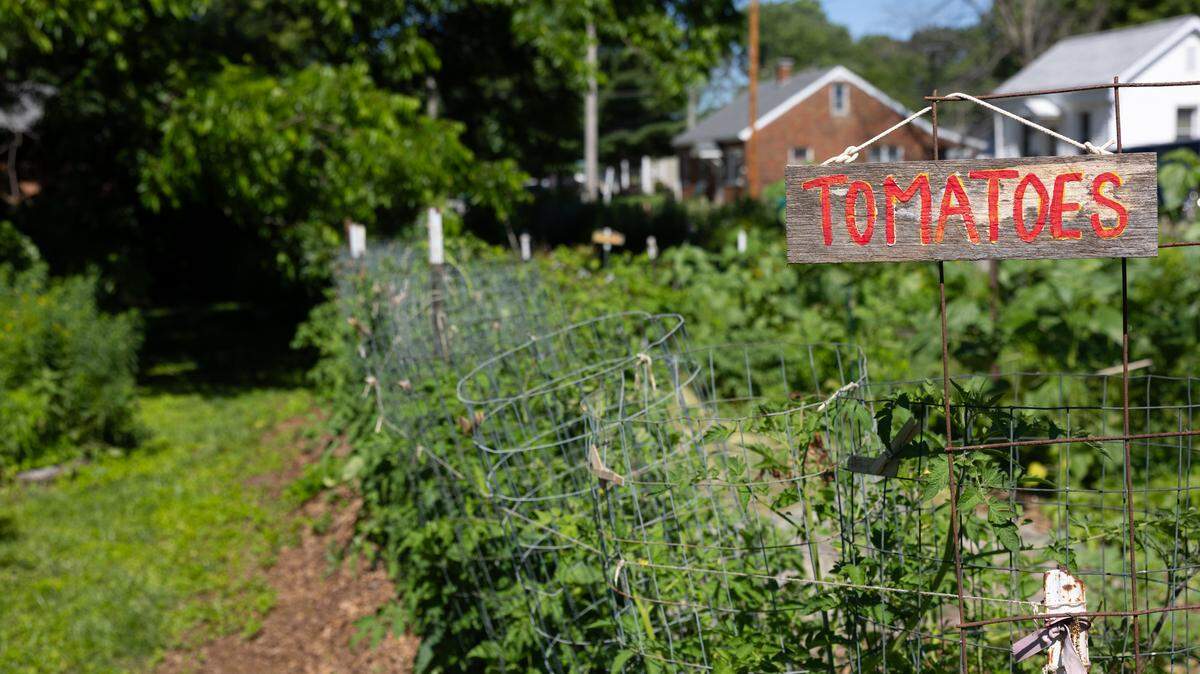
When Laura Schaefer bought the vacant lots next to her home in Millstadt six years ago, they were a sea of grass with a couple of old pecan trees.
Now, they contain Schaefer’s prized possession: a half-acre garden bursting with native plants and vegetables that the village threatened to remove last week.
Schaefer said the garden was a boon to her health when she battled Stage IV cancer last year.
“One of the things that was suggested was to exercise through chemo, that exercise actually fights fatigue,” Schaefer said. “It is my gym, it is my temple, it is my therapy, it provides me nutritious food — It’s just everything to me to have it out here.”
An officer with the Millstadt Police Department issued Schaefer a warning last Tuesday for violating the village’s code regulating “rank vegetable growth over one-foot in height.”

The code mandates a $40-per-hour charge, with a $40 minimum, to remove any illegal plant growth that is not removed within five days. The warning issued to Schaefer gave her a seven-day ultimatum to begin removing the garden.
Schaefer said she reached out to The Institute for Justice for advice. The institute is a national nonprofit law firm specializing in property rights defense for homeowners.
Lawyers with the firm sent a letter to the Millstadt Police Department on Monday, arguing the warning violates due process under the Fourteenth Amendment of the U.S. Constitution by removing the garden without first allowing a hearing.
The citation and warned consequences raise a broader legal threat to anyone’s “basic right” to use their property as they wish, the letter continued.
Schaefer said Millstadt Mayor Mark Todd told her Monday there would be no further enforcement related to the village code.
Millstadt Police Chief Alan Hucke said the situation is under review by the village attorney.
“Our goal is always to work out a solution that can be agreed upon, and most often times these goals are accomplished,” Hucke said.
Garden grievances
Schaefer said she was first warned of legal trouble three years ago when a neighbor across the street complained the garden attracts insects. But since the municipal code does not regulate insects, that complaint did not lead to formal enforcement.
A neighbor, Elizabeth Pittmann, took to social media to complain about the property, calling it a “cesspool of lunacy” on Facebook Tuesday.
But Theresa Nagel, who lives next door to the garden, said she is grateful to have it in front of her house.
“I’d rather look out my front window and see green and growing things than see someone’s house,” Nagel said in an interview. “If they decided that she would have to get rid of it, I’d be looking at (putting) up a huge privacy fence, which would cost quite a lot of money.”

Schaefer’s legal defense
Benjamin Marsh, a litigation fellow with the Institute for Justice, co-signed the letter to the Millstadt Police Department. He said the enforcement violated due process by not allowing a hearing before threatening corrective action.
“When the government threatens to take action to destroy, remove or confiscate someone’s private property, they have to have the opportunity to sort of present their side,” Marsh said. “She still is owed, as a matter of state constitutional and federal constitutional law, that process of being able to have a hearing before you come in and just destroy her property.”
The letter also said the enforcement warning violated the Illinois Vegetable Garden Protection Act, also known as “the Garden Act,” which protects the right to cultivate vegetable gardens on private property.
The Garden Act states it “does not preclude the adoption of a regulation or local ordinance…that does not specifically regulate vegetable gardens,” but says those ordinances may not specifically preclude vegetable gardens.
Marsh said the law represents a larger battle for private property rights advocated by the law firm.
“We’re so thrilled that you know that the villages recognize that she has that right, but it’s not just her,” Marsh said. “We think that that right exists, certainly under these state laws. But more broadly, it’s just a basic freedom of being able to use your residential property for beneficial uses.”
Marsh said the Institute for Justice helped craft Illinois’ Garden Act and similar legislation in Florida in 2019.