Illinois implements universal blood lead testing for children. How it will work
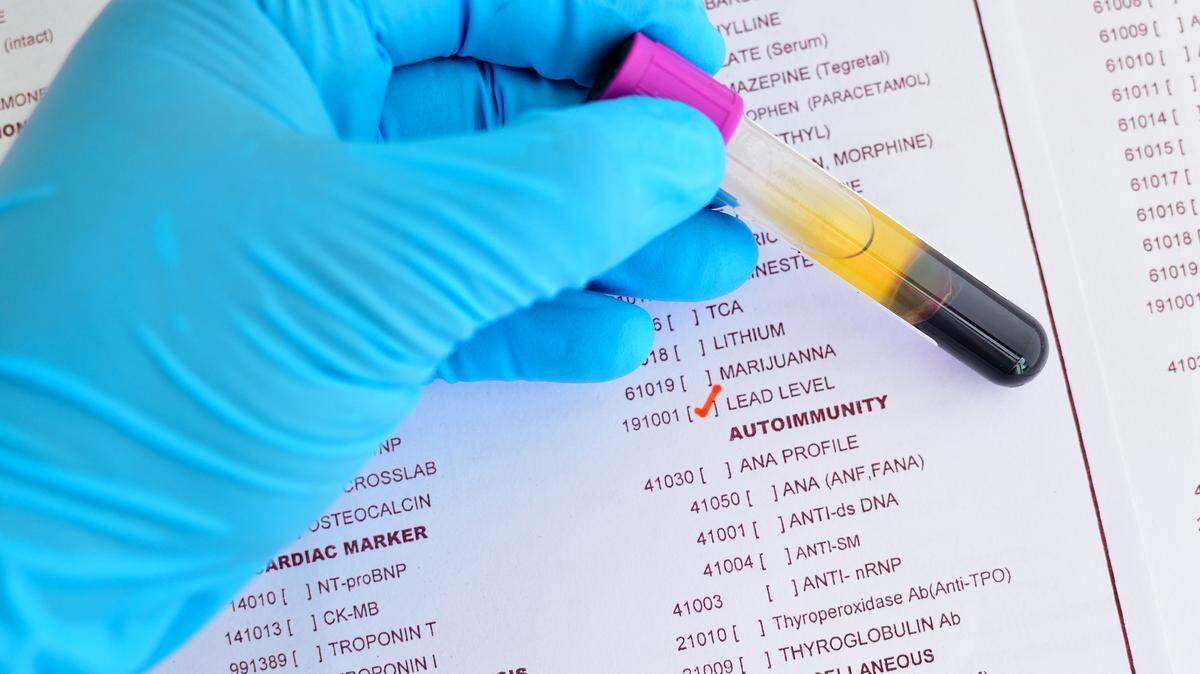
All Illinois children will now automatically receive a blood test to check for lead poisoning after a July 1 rule change expanded requirements.
Previously, only children living in Illinois’ “high-risk” zip codes were required to undergo blood testing.
The new standard requires all children to be tested at 12- and 24-months of age and requires children age 6 and younger to be assessed for lead exposure via a questionnaire administered by a health care provider, according to the Illinois Department of Public Health.
Lead exposure can affect anyone, but children are at the highest risk of harm because they are smaller and are still developing, IDPH reports.
Initial testing is typically done through a finger-prick, although a venous blood draw can be needed to confirm results if lead is detected.
Illinois state law stipulates a blood test that comes back with confirmed lead levels above 3.5 micrograms per deciliter requires a public health intervention, which includes a home inspection to determine the source of lead contamination and education on protecting children from lead.
While it takes 3.5 micrograms per deciliter to trigger a public health intervention, IDPH Director Dr. Sameer Vohra said in a June 25 press release: “There is no safe level of lead in the blood.”
Lead exposure can lead to damage to the brain and nervous system, the U.S. Centers for Disease Control and Prevention reports.
“The complications of having lead poisoning can be pretty bad for children, with learning disabilities, behavioral issues, chronic anemia,” Dr. Vidya Sundareshan, infectious diseases specialist at Southern Illinois University Medicine and medical advisor to Sangamon County Health Department, said in a recent interview with the News-Democrat.
Potential sources of lead contamination may include lead pipes, older homes with lead paint, toys that are imported or antique and some jewelry. The CDC reports parents who believe their children may have been exposed to lead should contact their child’s healthcare provider.
Illinois questionnaire for childhood lead exposure
The Illinois questionnaire for childhood lead exposure asks whether a child has:
- Moved to a home or regularly spends time in a building built before 1978
- Been exposed to repairs, repainting or renovations of a home built before 1978
- Frequently been around anyone whose job or hobby exposes them to lead, such as construction, painting and more
- Spent any significant time outside the U.S.
- Been in a home, school or childcare setting where the water tested at or above 5 parts-per-billion for lead
- Lived near an active lead smelter, battery recycling plant or another industry likely to release lead, or
- Lived or lives near a heavily traveled road where soil and dust may be contaminated with lead
Nearly 60% of Illinois homes were built before 1978, according to the state health department.
“Through our Childhood Lead Program, IDPH has identified thousands of children who have been exposed to lead, allowing for early intervention to address negative health effects and implementation of efforts to limit further exposure,” Vohra said in the press release. “With this move to universal childhood blood lead testing, IDPH is taking another step towards protecting the health and safety of Illinois’ youngest residents.”
IDPH guidance says it is “always appropriate” to conduct a blood lead test for a child of any age if they are symptomatic or if a potential lead exposure has been identified.
Which metro-east areas are ‘high risk’ for lead?
Under Illinois state law, a “high risk” area for lead exposure for children age 6 and younger is determined by IDPH, and may consider age and condition of housing, proximity to highway traffic or heavy local traffic, portion of rental housing and vacant housing, proximity to industry using lead, established incidence of elevated blood lead levels in children, percentage of population living below 200% of federal poverty guidelines and the number of children living there who are 6 years or younger. Other considerations may also apply.
Here’s a list of the metro-east zip codes considered “high-risk” for pediatric lead poisoning in St. Clair, Madison and Monroe counties. Full data for the state is available online through IDPH.
- St. Clair County: 62059, 62201, 62202, 62203, 62204, 62205, 62206, 62207, 62208, 62220, 62221, 62223, 62225, 62226, 62232, 62239, 62240, 62243, 62254, 62255, 62257, 62258, 62260, 62264, 62269, 62282, 62289
- Madison County: 62001, 62002, 62010, 62018, 62021, 62024, 62025, 62034, 62035, 62040, 62046, 62048, 62058, 62060, 62061, 62067, 62074, 62084, 62087, 62090, 62095, 62097, 62234, 62281
- Monroe County: 62236, 62244, 62248, 62279, 62295, 62298
Do you have a question about public health or healthcare in Illinois for the News-Democrat? We’d like to hear from you. Fill out our Metro-east Matters form below.