City of Belleville, neighbors deny ‘discrimination’ in council vote on youth group home
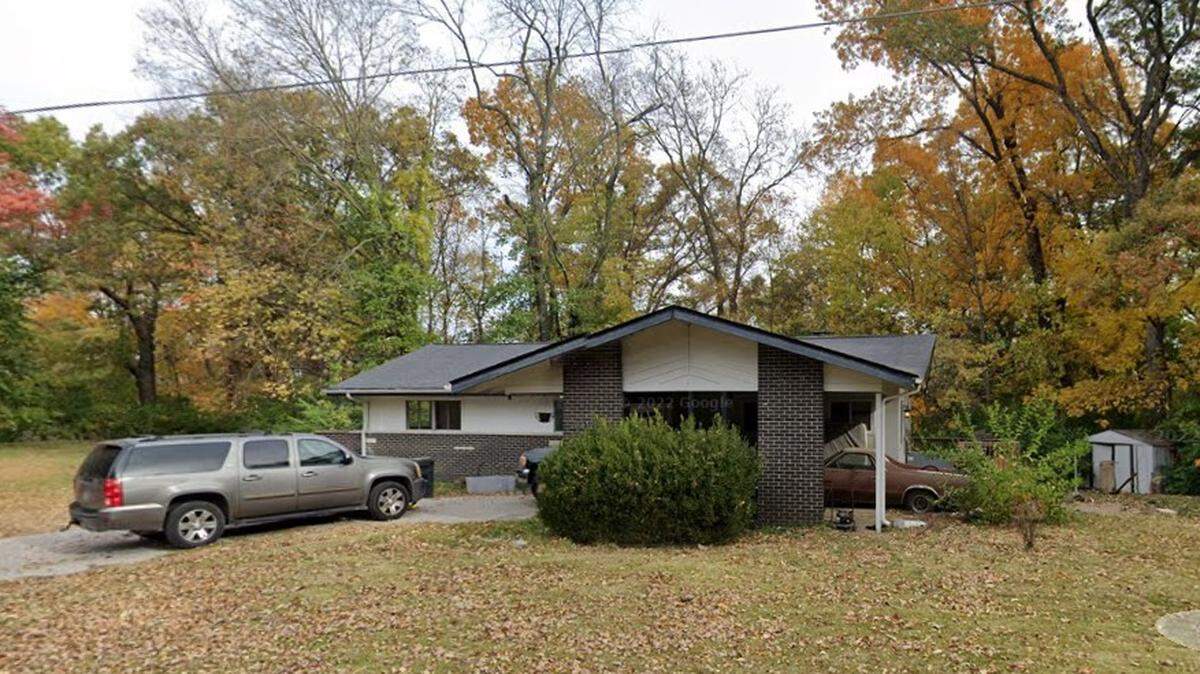
A debate with racial overtones dominated this week’s Belleville City Council meeting and ended with aldermen rejecting a variance for a “group home” in a residential neighborhood that would have housed five young people enrolled in a vocational and life-skills training program.
Representatives of the nonprofit organizations that applied for the variance blamed “discrimination.” Residents of the Hillwood Drive neighborhood, off Dutch Hollow Road, rejected that characterization.
Speakers at the meeting from both sides were predominantly Black.
Johnnie Anthony, one of the Ward 4 neighborhood’s aldermen, who is Black, voted “no” on the variance. He said he had received a petition and talked to several neighbors, and not one supported it.
“I don’t think it’s racial profiling or any of that stuff,” Anthony said.
The debate occurred during the public-participation period of the City Council meeting on Tuesday. More than 20 people from both sides stepped up to the microphone to make passionate pleas to the aldermen and sometimes addressed each other.
Representatives of the nonprofit organizations Beyond Living and Teens Against Killing Everywhere (TAKE) described the training program as an opportunity for youths who grew up in foster care or troubled families to become productive, successful adults.
Hillwood residents argued that their quiet and stable neighborhood of mostly senior citizens is the wrong place for a home with five people, ages 16 to 24, male and female, with no live-in supervisor, no amenities within walking distance and possibly no cars.
The City Council voted 14-1 against granting the variance. Ward 2 Alderwoman Jamie Eros was absent.
Ward 8 Alderwoman Nora Sullivan, who is white, cast the only “yes” vote.
“At the most basic level, the applicants were petitioning our city for a chance at a better life,” she stated in an email after the meeting. “Whether it’s people trying to move here or simply open a business, I always try to provide citizens with an avenue for success.”
The city’s Zoning Board of Appeals had sent the variance request to the City Council with no recommendation either for or against it. Board members voted 3-2 against it at a hearing on Dec. 21.
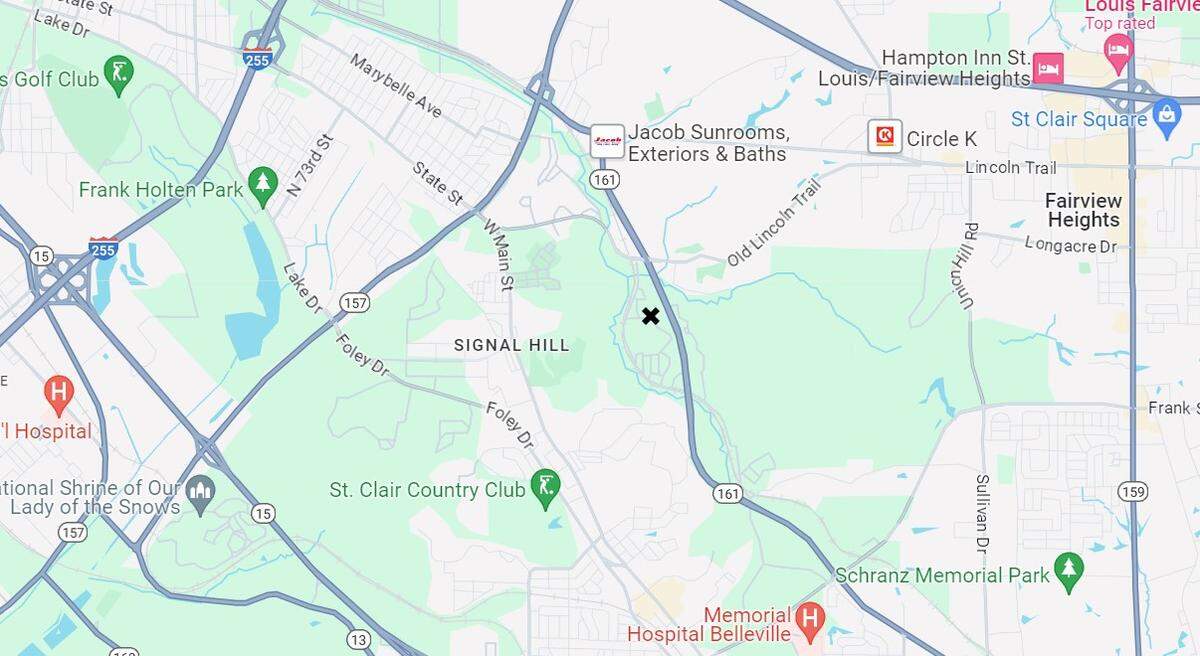
Only three unrelated people can live in a single-family residence under Belleville zoning ordinances, according to Cliff Cross, director of economic development, planning and zoning.
Cross told Zoning Board members that officials referred to the single-family residence at 330 Hillwood Drive as a “group home” in the variance request because of the nonprofit organizations’ plan to house five young people enrolled in their training program.
“It’s an undefined use,” he said, noting that it isn’t a dorm or a traditional state-licensed facility, so it’s prohibited without City Council approval.
“(The variance request) went through the process,” Cross said in an interview after the City Council meeting. “I don’t know where the discrimination comes into play. I didn’t see it.”
The nonprofit organizations still plan to use the home on Hillwood to house young people in the training program, according to their spokeswoman, Vickie Kimmel. There will just be three tenants instead of five.
That is allowed, Cross told aldermen, but the nonprofit organizations, like other landlords, will be subject to the city’s Crime Free Housing ordinance, which requires tenant background checks and housing inspections; and they’re subject to a nuisance-complaint process.
The main variance applicant, Beyond Living, is based in Las Vegas, Nevada. It bought the 1,298-square-foot home at 330 Hillwood Drive under the name Hillwood Trust to provide housing for young people in its Integrated Housing and Vocational Training program.
Beyond Living is partnering with Teens Against Killing Everywhere (TAKE), which has been operating in East St. Louis for decades.
Kimmel is CEO of TAKE and an advisory board member for Beyond Living. She told the Zoning Board that the 12-month training program requires participants to earn high-school diplomas or GEDs, take vocational or other classes, serve internships and work at jobs to pay rent.
The nonprofit organizations had planned to expand the home from three bedrooms to five. Young people will sleep in separate bedrooms and share common areas with security cameras while being checked on regularly by case workers, according to Kimmel.
“They’re not sex offenders,” she said. “They’re not alcoholics. They’re not allowed to have big parties. It’s a monitored, safe situation.”

Several past participants of the program attended the City Council meeting. They spoke of overcoming disadvantaged childhoods and negative societal influences to become businessmen, carpenters and security guards. One is a St. Clair County deputy sheriff.
Program supporters asked aldermen not to discriminate by mistakenly assuming that all Black youths are criminals. One TAKE instructor said he had been racially profiled in Belleville.
Anthony Tarvin, another TAKE instructor, said area trade organizations are always complaining that they can’t find enough skilled labor to complete projects and that vocational training helps alleviate that problem.
“We won’t put bad kids in that house,” he said. “In fact, we don’t have bad kids in our program because we turn all the bad ones into good kids.”
Hillwood residents told aldermen that they support the program’s goals of helping young people turn their lives around, but they called their solely-residential neighborhood a “bad fit,” citing the absence of stores, restaurants, a basketball court or bus stop.
Residents said they’re trying to maintain a safe environment at a time when thefts and other crimes are on the rise and outsiders have been dumping TV sets and other trash in the neighborhood.
Deborah Burrell, a retiree and resident for more than 30 years, said teenagers can get into trouble when they’re unsupervised, particularly in a somewhat-secluded area with no amenities within walking distance.
“When (kids) don’t have anything to do, they find something to do,” added resident Michael Jackson.
Beyond Living and Teens Against Killing Everywhere are supported by private donations and state and federal grants, according to Kimmel, who is former CEO of Emerson Park Development Corp. in East St. Louis.
This story was originally published January 4, 2024 at 4:11 PM.