Zoning request for historic Belleville building reignites old controversy
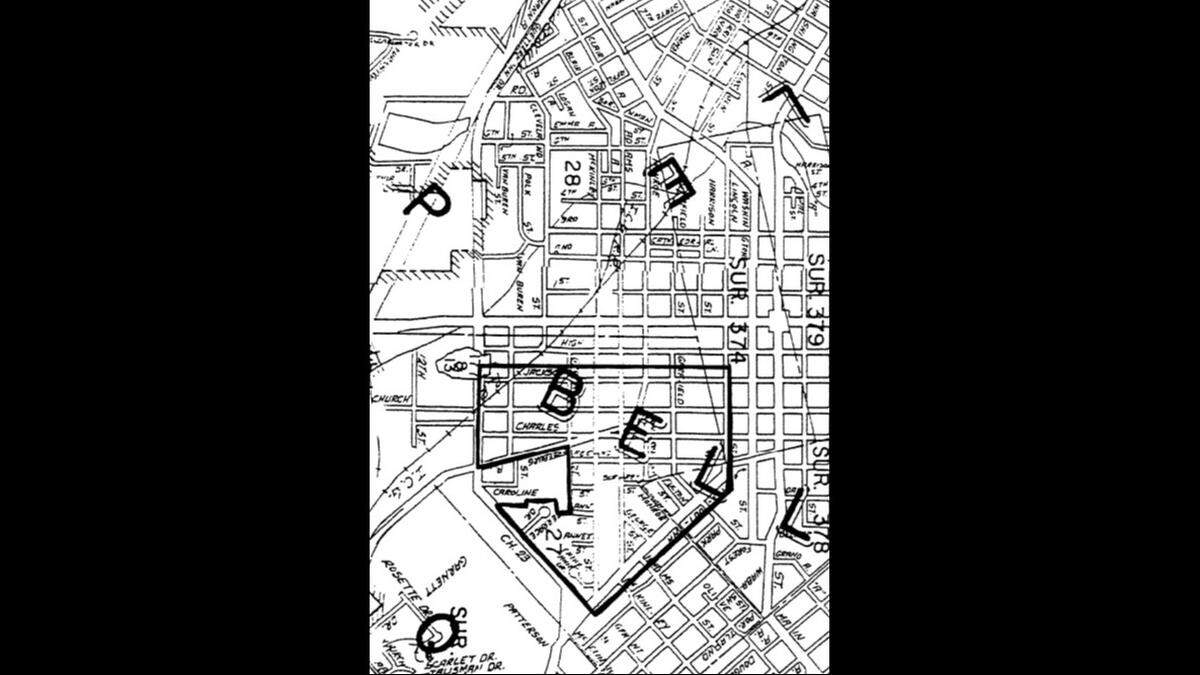
In 1999, Belleville approved a controversial plan to rezone nearly 600 parcels of land southeast of downtown to single-family residence to provide more stability to aging neighborhoods and reverse the trend of homes being subdivided into rental units.
More than 25 years later, that decision is still getting people riled up.
“You can’t rezone retroactively,” said Rick Brown, a semi-retired businessman and landlord who regularly addresses the subject at City Council meetings. “You can’t do it. I don’t care how many lawyers say you can.”
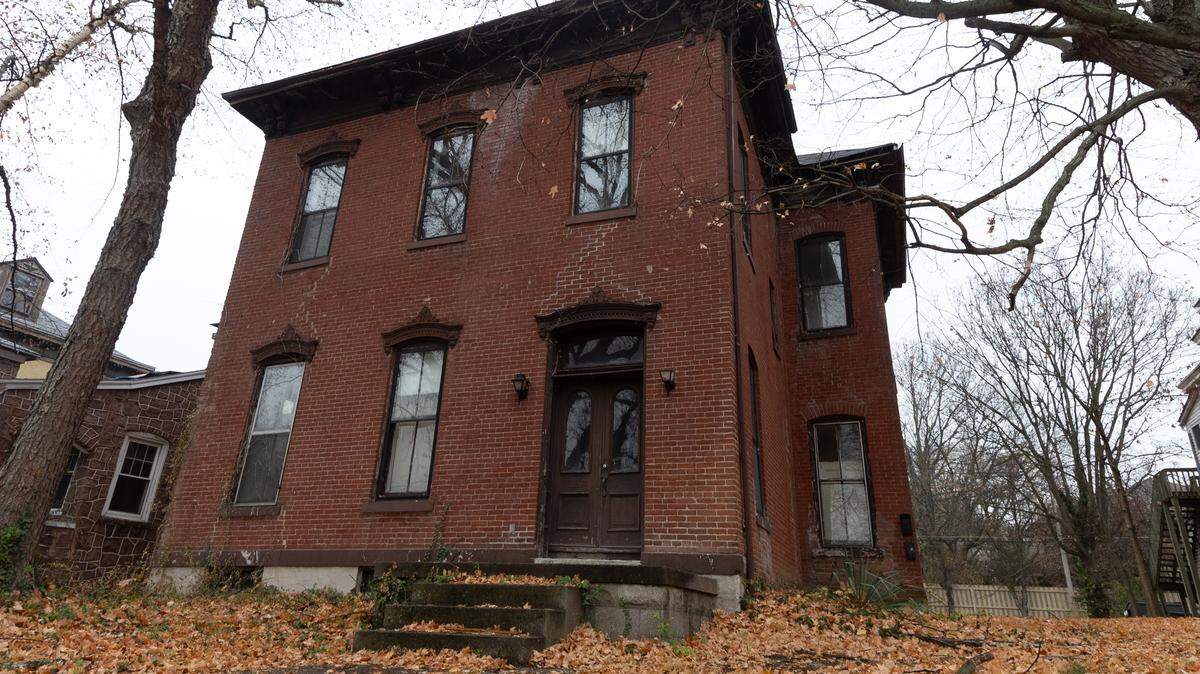
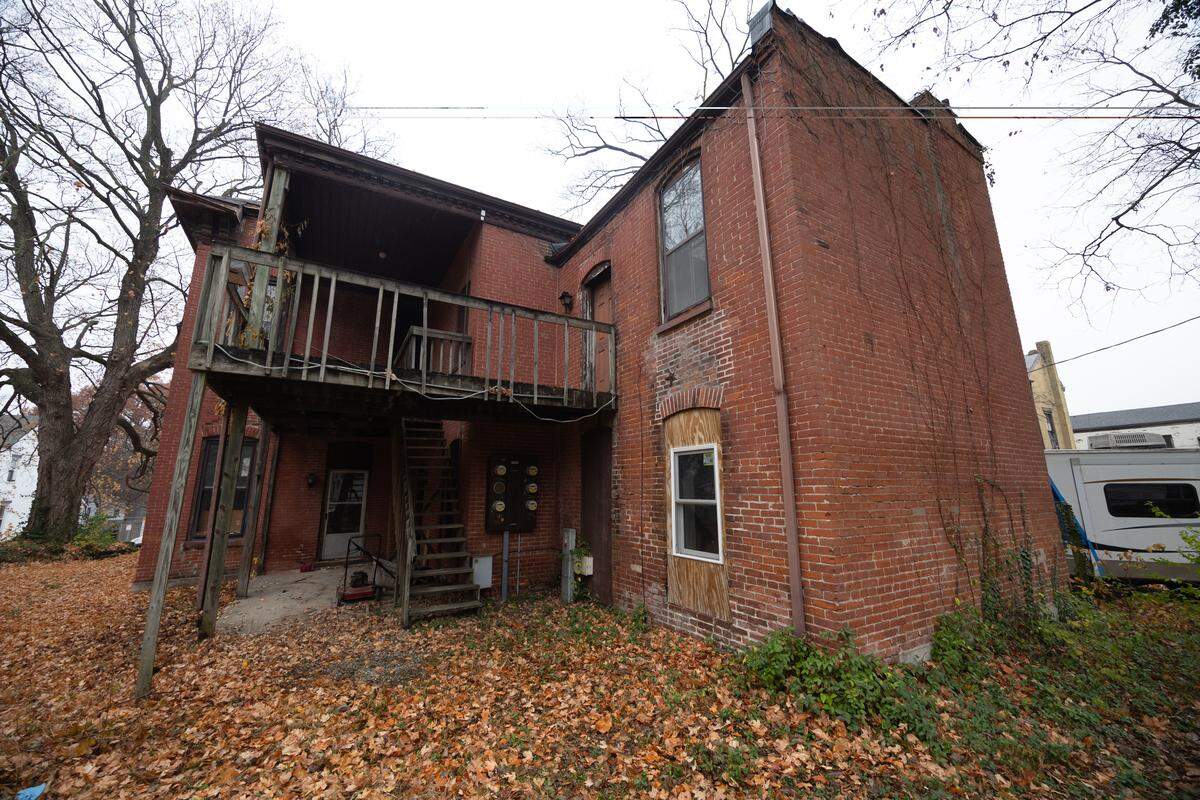
The latest dispute centers around a stately, two-story brick building on South Charles Street. It was constructed as a single-family home in the late 1860s or early 1870s, according to Belleville historian Bob Brunkow.
The building was converted into a multifamily dwelling in the 1920s and operated as such for about 90 years. But then it went vacant, losing its “grandfathered-in” status and reverting to single-family residence due to the 1999 rezoning.
“When a non-conforming use of a structure ... is discontinued for 12 consecutive months or for 18 months during any three-year period, the non-conforming use shall not thereafter be resumed,” the city code states.
Enter Kelli and Elijah Roberts, who bought the building at 224 S. Charles St. last year. They applied for a zoning variance this October, hoping to renovate its five apartments and rent them out.
But some neighbors objected, expressing concerns about increased traffic and parking requirements.
“The infrastructure of that neighborhood simply does not support a five-unit apartment building in what is now single-family residence,” former congressman Bill Enyart said at a City Council meeting.
Aldermen unanimously denied the variance request with votes on Nov. 3 and 17, except that Ward 7 Alderman Dennis Weygandt abstained, and a Ward 3 alderman was absent for one vote.
Ward 6 Alderpersons Chris Rothweiler and Mary Stiehl opposed the variance, reporting that they had walked the neighborhood, which they represent, and concluded that streets and alleys were already congested.
“I don’t think that adding more multifamily dwellings in that area that are not there now is going to help in any way,” Rothweiler said.

Council meetings turn raucous
The two City Council meetings this month became raucous at times over the variance request for the South Charles Street building.
Brown called city officials “thieves” and “racists,” maintaining that widespread rezonings in the 1990s and 2000s stole rights from property owners, and alleging that their original intent was to keep Black people who couldn’t afford homeownership from moving to Belleville.
At the Nov. 3 meeting, Brown yelled at Enyart, an attorney and resident of Old Belleville Historic District, for being part of the rezoning effort. Mayor Jenny Gain Meyer told Brown to turn around and face aldermen.
After Brown finished his comments and sat back down, a microphone captured a city official saying, “I’m getting sick and tired of that son of a bitch coming up here and talking.”
Belleville resident Victoria Martin, who had attended the meeting to discuss her own request for an Airbnb special-use permit, also spoke in support of the Robertses.
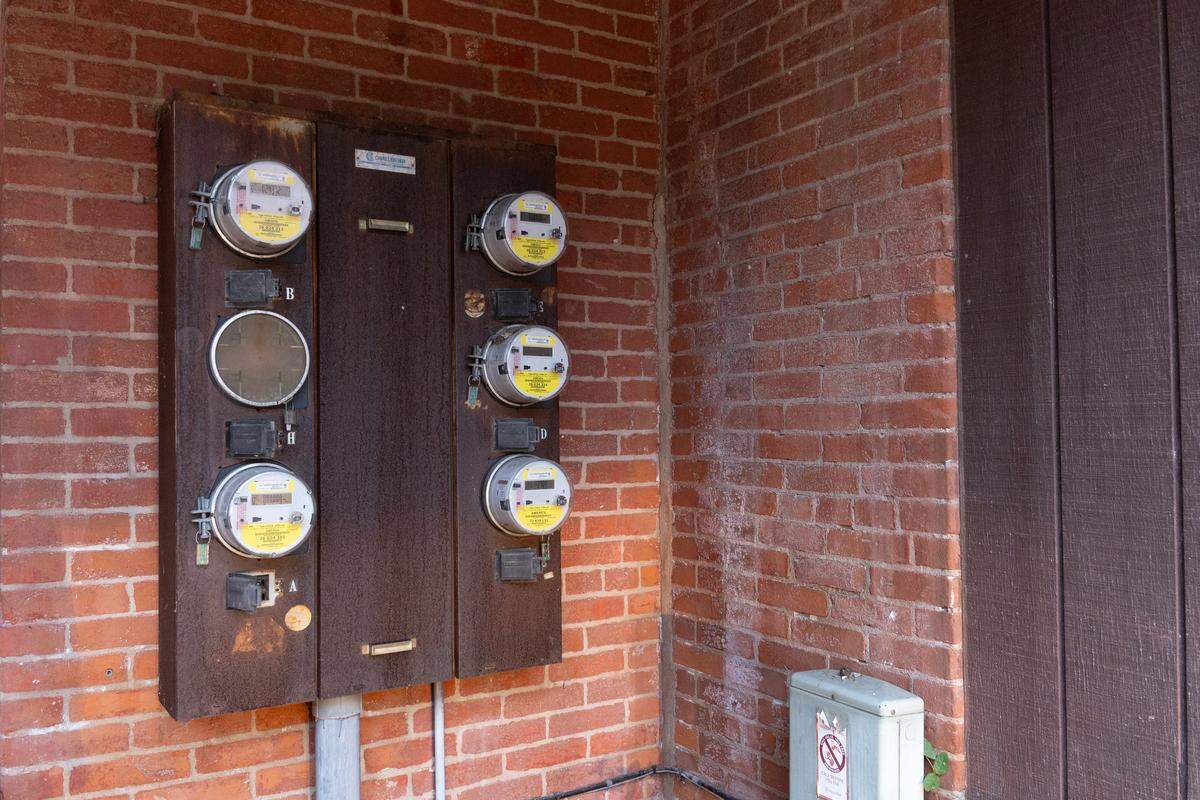
“I am shocked that we’re preventing folks from taking a house that clearly has five utility meters in the Zillow listing and renovating it as the five-unit building that it is,” Martin said. “I’m shocked, I’m a little frustrated, and it makes me think about my future in town.”
At several meetings, Brown has described former Mayor Mark Kern and his “lawyer buddies” as conspirators in an alleged plot to “keep blacks out of Belleville.”
Kern, who now serves as St. Clair County Board chairman, has repeatedly declined to return phone calls or comment.
Kelli and Elijah Roberts are developers and property managers, based in Fairview Heights. They own Eye Realty and run a nonprofit organization called Eye Housing Solutions.
Kelli Roberts said the couple wanted to do something positive for Belleville by renovating a vacant building in the historic district and providing an affordable place for “young professionals” to live. She insisted that there was “more than adequate” parking.
Vacant buildings contribute to higher crime rates and lower property values, while occupied buildings add to the vibrancy of downtown, Roberts told aldermen.
“If (buildings) remain blighted and aren’t taken care of, they will fall into a state of disrepair, and then the city comes in and demolishes them, and we lose those historic structures,” she said in an interview.
Brown called it “ridiculous” to prohibit the Robertses from operating an apartment building in the neighborhood, considering there are at least 17 other multifamily dwellings within a block.
Larry Betz, president of Belleville Historical Society, said the City Council has consistently denied zoning variances in that neighborhood, so it didn’t surprise him that aldermen stood firm in this case.
“I like the idea that these old homes are going back to single family, and I love the fact that some people have already done it,” Betz said. “There are some wonderful examples.”
Converting a multifamily dwelling back into a single-family home is not as difficult as it seems, according to Betz. It may require removing a wall or two, but mostly it involves tearing out kitchen cabinets, hauling out appliances and repairing those areas.
Committee led rezoning effort
In the mid-1990s, Belleville officials invited neighborhoods to request rezoning to single-family residence, and several did. Multifamily dwellings and businesses were allowed to remain as non-conforming structures as long as they were occupied.
The City Council went a step further in 1998, forming a Single Family Land Use Committee. Citizen members were tasked with drumming up support in larger neighborhoods and facilitating their rezoning.
The overall premise was that the city needed to undo decades of haphazard zoning that had allowed the development of too many duplexes and apartment buildings, particularly those created by subdividing older homes.
A 1997 report by Belleville Economic Progress, now known as Greater Belleville Chamber of Commerce, concluded that the city had reached a “saturation point for low-quality, multifamily units.”
“(Rezoning) protects the integrity of the neighborhood,” committee member and Zoning Board of Appeals member Jim Green said at the time. “It makes it more attractive for new residents.”
The committee’s first project was the “southwest quadrant” of downtown, which included nearly 600 parcels of land, many in Old Belleville Historic District. Members went door-to-door to gather signatures on a petition supporting rezoning.
But the “down-zoning” effort, as it was called, drew criticism from landlords, who argued that it deprived property owners of the value of their rental units without compensation.
Donn Schaefer, president of Metro-East Landlords Association, pointed to married couples who buy big, older homes as investments, planning to someday divide them into apartments.
“This is their retirement the city is tinkering with,” he said.
In February 1999, local residents packed a City Council meeting whose agenda included a vote on rezoning the southeast quadrant. Brown spoke against it. Enyart spoke in favor.
Aldermen voted 15-1 for the rezoning. Former Ward 7 Alderman Devin Kaemmerer cast the lone “no” vote, questioning why the 193 signatures on the petition included only owner-occupants of single-family homes and no owners of rental property.
“We were interested in working with the people who live there,” said Jack LeChien, another committee member.
‘Best tenor in Belleville’
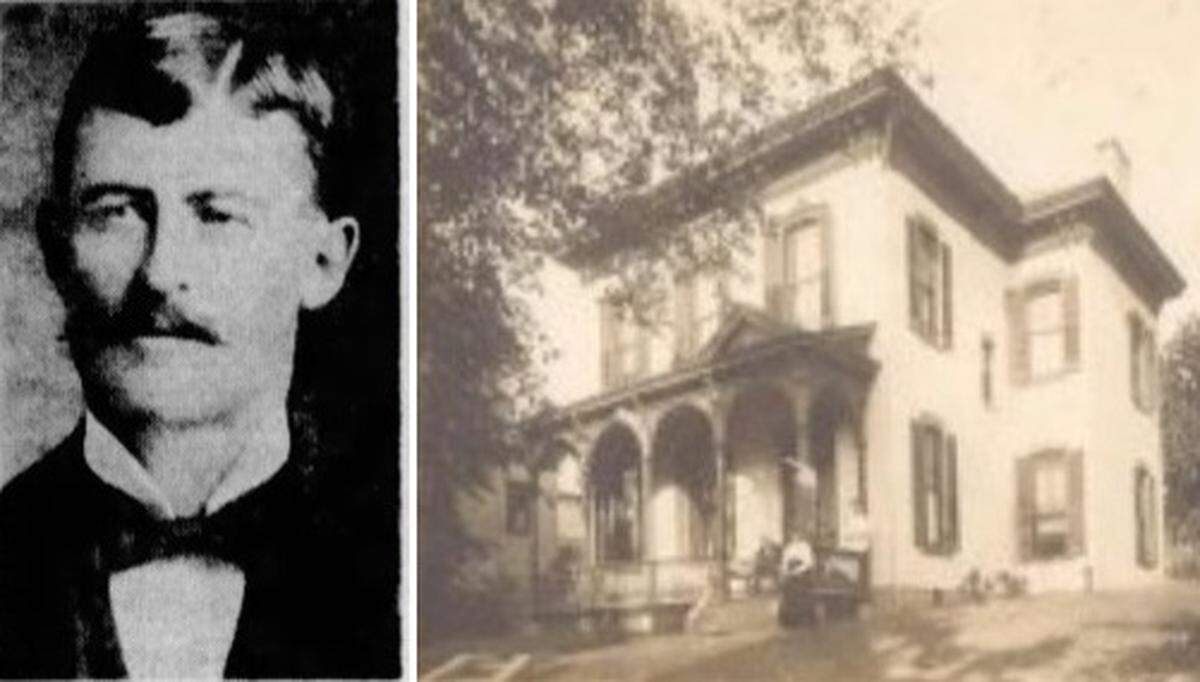
Brunkow believes the two-story brick building on South Charles Street was constructed by German immigrant Valentine Rhein in 1871, based on historical records. As a merchant tailor, his contracts included making uniforms for Belleville police.
Rhein’s musical family lived in the home for about 50 years. His son established a music store on Main Street, and his daughter was a noted pianist who founded a women’s chorus.
“(Rhein) was one of the organizers of the Liederkranz, a German singing society,” Brunkow said. “His obituary called him the ‘best tenor in Belleville.’”
The Rheins sold the home in 1922 to M. Elizabeth Martin, a property investor with her husband, John Martin. They lived there for several years before converting it into a multifamily dwelling and sold it in the 1940s.
It’s unknown how long the building has been vacant, but the city issued the last occupancy permit for a new tenant in 2007, according to City Clerk Shelly Schaefer.
St. Clair County records show that property investors Tammy and Karl Carl, operating as TKC Properties, sold the building in 2023 to investor Robert Campbell, who owns Xestury, for $25,000. Campbell sold it to the Robertses for $31,000.
The property is still categorized as multifamily in county records, and that’s how Campbell’s real-estate agent, Jessica Gratzl, originally listed it for sale.
Gratzl said she changed the listing to single-family after Enyart called and explained the rezoning due to vacancy. The description called the building a “previous 4-5 unit property.”
“Though in need of a complete rehab, this property presents a unique opportunity to create a masterpiece that could attract premium rents once completed or could be converted to back to a single family beauty,” it read.
Gratzl said she provided enough information to make it clear to the buyers and their agent that a zoning variance would be needed to operate an apartment building.
Kelli Roberts saw it differently.
“I don’t point fingers at anyone, but I feel like there was not full disclosure on all the intricacies of this property,” she said. “I don’t think it was intentional. But I also don’t think they did their due diligence to ensure that the property was listed the way it was zoned.”
Roberts said she was disappointed that neither Ward 6 alderpersons nor Zoning Board of Appeals members seemed interested in hearing about the couple’s plans for the building or any data they had compiled.
In October, the Zoning Board voted 4-1 to recommend that City Council deny the variance request, which is what aldermen did.
Roberts said she and her husband have accepted the city’s decision, and they’re now getting estimates on what it would cost to convert the building from multifamily to single-family use.
“It’s a gorgeous building with lovely architectural details,” Roberts said. “There’s so much charm in it, despite the years of abandonment.”
This story was originally published November 24, 2025 at 5:30 AM.