
As O’Fallon works on new budget, more help for the city’s needy is on the table
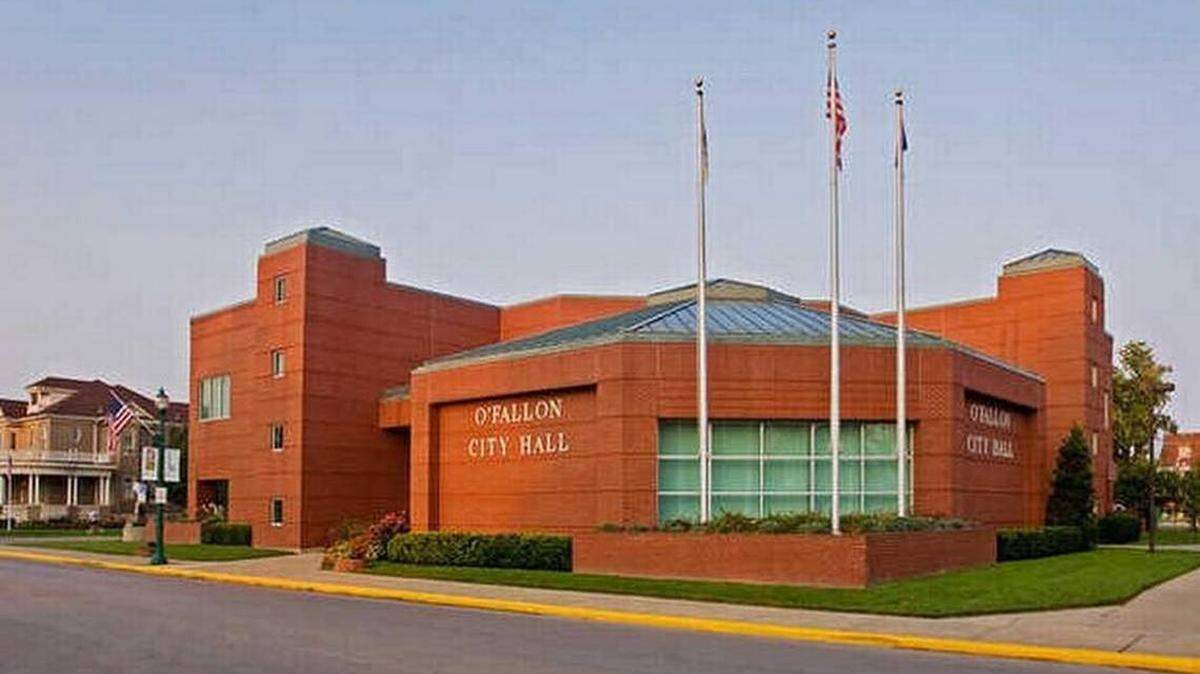
As O’Fallon city leaders prepare the next fiscal year budget for approval, increasing funding for the Resident Assistance Task Force is among items for review.
The program for utility relief assistance was established in 2022, with $25,000 each for water and electricity taken out of the general fund for fiscal year 2023. Last year, the electrical fund was doubled, to have $50,000 available.
“As we approach the budget season, we will need to consider whether the budget for the electric assistance program needs to be increased for FY 25,” Finance Director Sandy Evans told the council’s Finance and Administration Committee on Jan. 22.
Currently, the leadership team is reviewing preliminary data for the 2025 fiscal year budget, which will be finalized in April. The new budget begins July 1.
She cited that currently, $17,448.29 is available in the water assistance program and $3,025.80 in the Ameren Electric Assistance Program, with several months to go.
“As you can see by the current amount remaining, staff is expecting the electric assistance program to be depleted prior to the fiscal year end. During the winter months, Ameren cannot disconnect service regardless of amount due, so agencies are not receiving as many requests, but expect it to pick up again in March,” Evans said.
“We request the agencies to continue to submit requests even after funds are exhausted to see the additional need. Unfortunately, the higher electric rates have played havoc on the available funds,” she said. “Electric rates almost doubled and more people need assistance.”
Assistance Program
In 2022, representatives from the United Congregations of the Metro East asked if the city could assist O’Fallon residents in need through the federal American Rescue Plan Act of 2021. The city does not provide social services nor did they have procedures in place to determine who would qualify, but the city does receive pledges for past-due water and sewer bills from local church and non-profit agencies that already handle the vetting of need. They determine the criteria for people who have fallen on hard times.
It was therefore determined that when an organization makes a pledge to pay an O’Fallon customer’s water and sewer bill, the city would cover half of the cost. This would address the vetting process, reduce the amount the organization would pay, and allow them to reallocate their funds for other needs.
The assistance would be provided through the water fund’s late payment fees, which are not attached to a specific expense and could be used on an annual basis. The council approved it for the FY23 budget, then added $25,000 for their Ameren electric and gas bills.
In its first year, the city helped 218 citizens with utility bills. All requests for assistance flowed through church and non-profit groups that were included on a task force that met quarterly.
The groups included the St. Vincent DePaul Society O’Fallon Conference, O’Fallon First United Methodist Church, New Life in Christ Church, and Faith Lutheran Church.
Help was limited to those who reside within the city limits. The city matched pledges by paying 50% of the costs involved in utility bills, and the other entity paid the remainder.
The agreement meant churches and charitable organizations who help residents struggling with paying these bills would be reimbursed. The group pays the full amount, then the city gives half back.
This was an outcome of church leaders speaking up about the city’s cut of the American Recovery Plan Act funds. The city had been earmarked for $4.2 million of ARPA funds, which were allocated to state, local and tribal governments across the country to support their response to COVID-19 pandemic.
At Monday’s meeting, a representative of St. Vincent de Paul Society told the committee that the assistance program was a “godsend to us, and how we’ve been able to serve more people.”
He said because of the higher electric bill increases, if a family applies for assistance a second time in the year, they have sent them to St. Clair County for LiHeap applications, which is a state-administered Low Income Home Energy Assistance Program. State block grants are used by local agencies to provide short-term relief for clients to prevent utility shutoffs and for help with heating and cooling bills.
Assistant City Administrator Grant Litteken explained that after March, people will be requesting more help, and the committee may want to consider increasing the fund to $75,000 or more.
Evans noted that the money is not rolled over the next year but is returned to the general fund.