Crime crackdown in metro-east nets 100s of arrests. More to come, Illinois’ top cop says
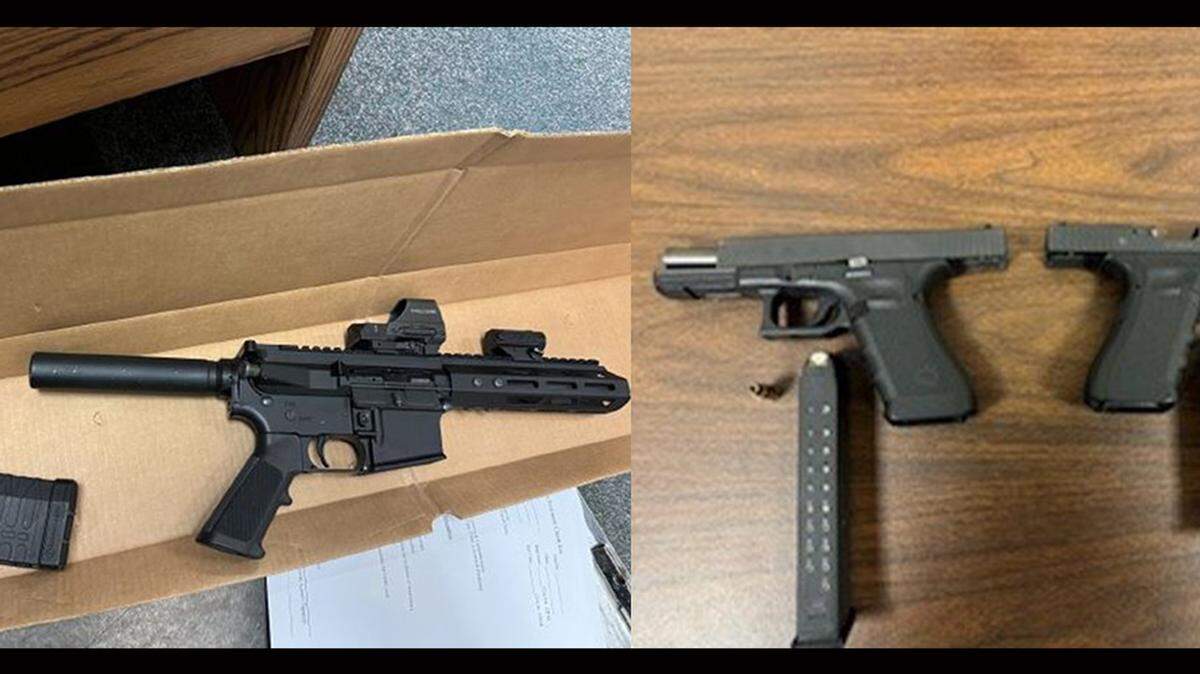
When more than 50 Illinois State Police officers from around the state swarmed the East St. Louis area as part of “Operation Night Hawk” in mid-March, it was the fifth such crackdown in the metro-east since June.
During those five special operations, 257 people were arrested and 115 firearms were seized, according to the agency. That includes 14 stolen firearms and 11 stolen vehicles.
Suspects have been charged with a total of 439 criminal offenses and 285 felonies. And officers have seized nearly 27 pounds of marijuana and 1.61 pounds of controlled substances.
In the most recent crackdown, 35 people were arrested in the East St. Louis area from March 11 to 13. Nineteen firearms were seized and one stolen gun was recovered.
The four previous operations were conducted June 26-29; Aug. 1-3; Oct. 2-5; and Dec. 7-9.
Illinois State Police Director Brendan Kelly, the former state’s attorney for St. Clair County, said residents can expect to see additional special operations.
“I think you can see that we’ve had operations and sustained positive policing presence in various regions throughout the state and that is something we’re absolutely going to continue so we hope that the public will take notice,” Kelly said in an interview following “Operation Night Hawk.” “I think they certainly are taking notice of the presence of ISP and making sure that we are following through and faithfully but very deliberately holding individuals accountable for their criminal conduct.
“We’re engaged throughout the entire state. Illinois State Police are … fully engaged in fighting crime from every corner of the state and that includes the metro-east,” Kelly said. “And it is a regional approach and by focusing on the areas where the data indicates police activity is needed and welcome, then that can have a positive effect in improving public safety in the region and that helps make people safer across the entire state.”
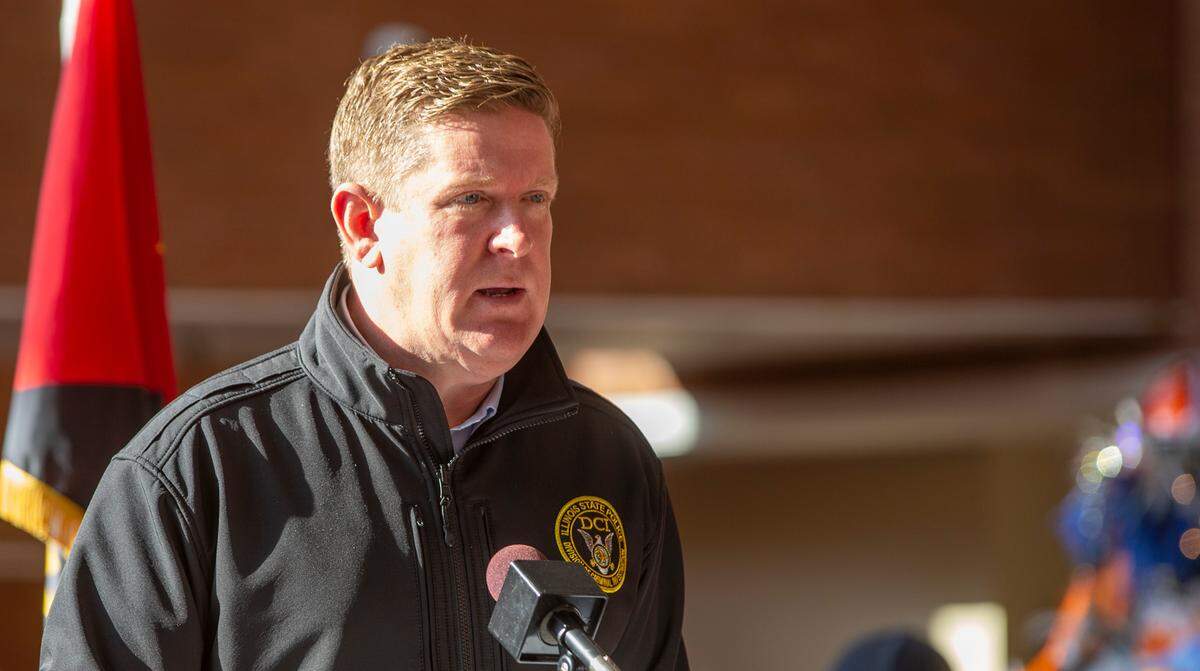
Here’s a Q&A with Kelly regarding the Illinois State Police operations in the metro-east:
Q: What are your thoughts about the 257 arrests made in the five metro-east operations conducted since last summer?
A: “We’ve really made a lot of good progress in focusing on one of the most critical things for our law enforcement agency and that’s fighting crime.
“We have fine-tuned how our patrol is operating, how our criminal investigations are operating, how forensics is operating, our air operations, our canine units, the programs we have to connect with and partner with the public and local law enforcement with that one key focus in mind and that’s fighting crime.”
Q: What is the value of organizing the special operations?
A: “We make our strategic and tactical decisions based upon evidence, based upon facts. Where do the statistics indicate where there’s a higher level of criminal activity and the potential for criminal activity?
“Does the community need us? Where is there a need for law enforcement? Where do we have good partnerships and good ties with the community? Where would the community like to see us engaged in fighting crime? Those are all factors that we consider.
“As we do that continuous assessment that’s where we decide to put our focus and our efforts and I think that’s reflected in the from the parameters and outcomes you see in ‘Operation Night Hawk’ as well as other operations we’re continually planning and executing.”
Q: Has your agency learned anything from these operations?
A: “Yes, absolutely. If you think of some of our efforts, it’s like the space program. First they had Mercury and then Gemini and then Apollo and then you had the Space Shuttle. Every time that we have engaged in various law enforcement operations as well as long-term, daily efforts at protecting public safety, we’re continuously trying to take it to the next level. Recognize what has worked, recognize what didn’t work.
“But I think one of the key lessons is making sure that information is not siloed, that there’s a sharing of intelligence. While patrol may have a different mission than criminal investigation and air operations and SWAT, they all have various functions making sure that those things are all moving together in the same direction is important for fighting crime and that just requires good leadership, good direction and I think that’s again just a matter of continuously improving.
“I think another lesson learned, which is reinforced every day, is that you’ve got to do the efforts of fighting crime with a community. I think our strong outreach to the community that we are trying to protect in different parts of Illinois … is a key to us being able to make progress. It’s a tried and true principle of policing going back to Sir Robert Peel. The Peelian principle is that the public are the police and the police are the public. We have to work together. And you don’t do things to a community and you don’t do things for a community, you do things with a community. And that is an effective model of fighting crime in the 21st century.”
Q: Illinois State Police personnel played a basketball game with youths in East St. Louis on March 7. Is this an example of community involvement you are seeking?
A: “There’s a lot of events going on in the community and our officers are regularly contributing to those events in ways that people don’t often see. That’s just one example of the daily good work that they do to try to earn the trust of the public and responding to crime, hearing the community’s desire for safety following through on investigations, that is another way that we build that trust and have a positive feedback of safety and justice for the community.”
This story was originally published March 25, 2024 at 7:00 AM.