Collinsville ‘hitman’ suspect once pleaded guilty in teen’s brutal 1997 murder
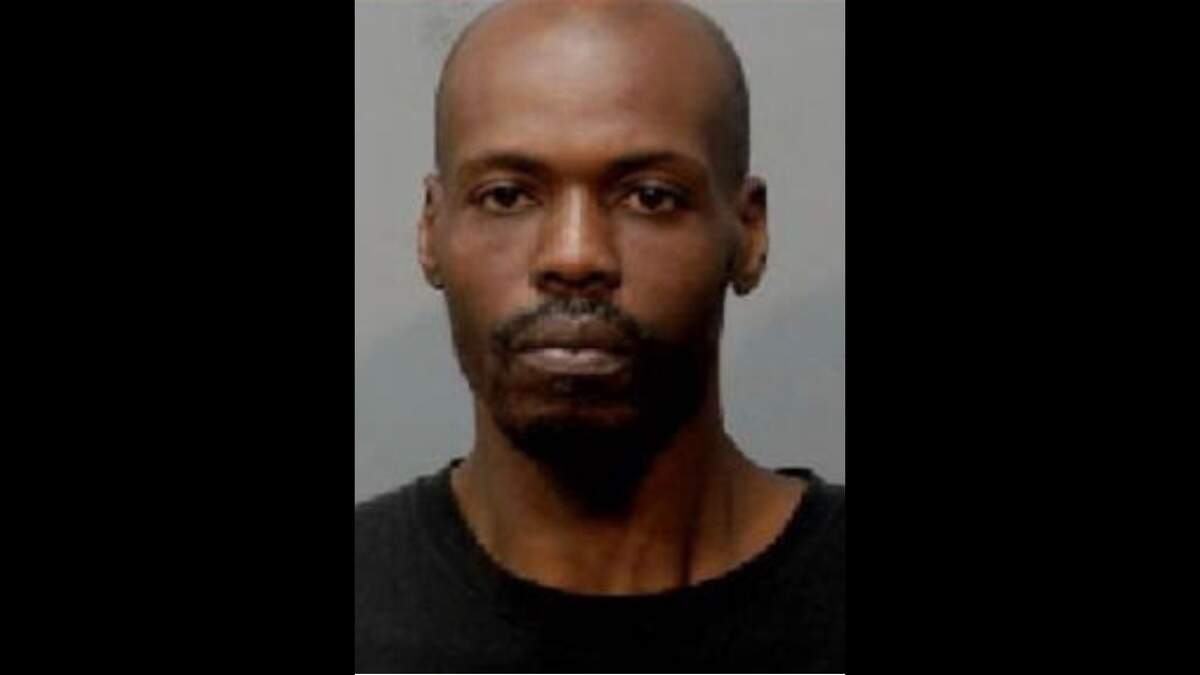
Gary D. Johnson pleaded guilty in 2000 to a brutal murder involving three East St. Louis teenagers who beat another teen with a baseball bat, dropped a concrete parking barrier on his head and set him on fire.
Johnson was incarcerated for 20 years, including three in St. Clair County Jail and 17 in state prison. He was released in 2017.
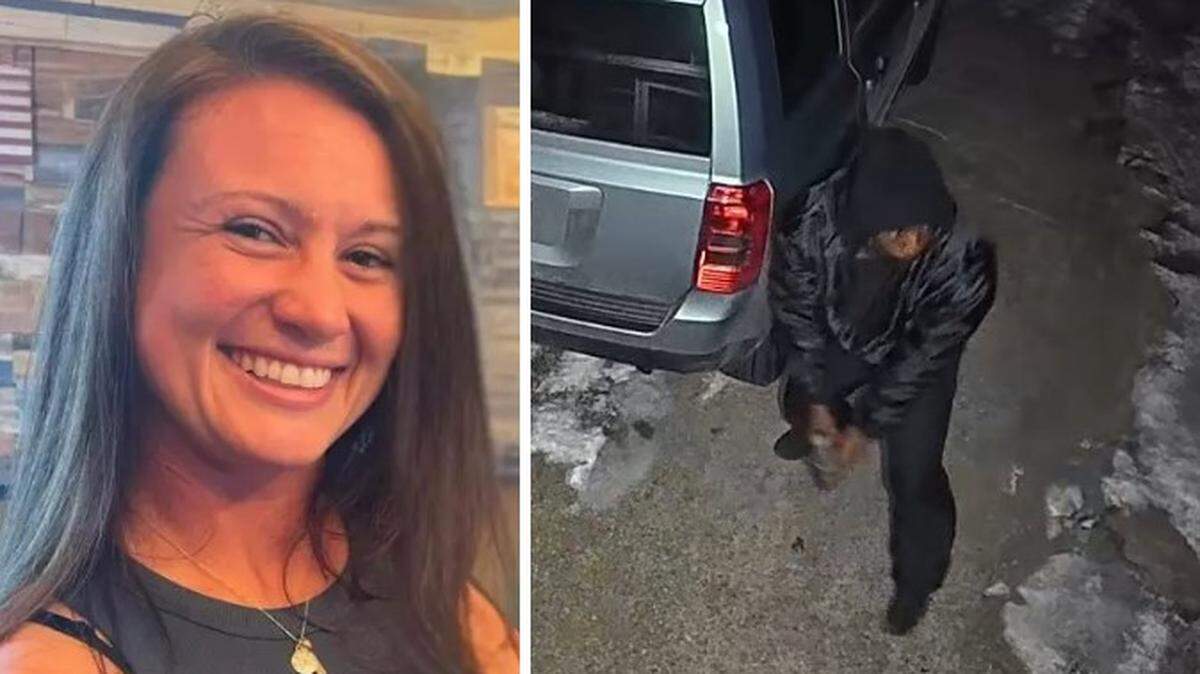
Now prosecutors say Johnson, 46, of Cahokia Heights, shot and killed Portia Rowland, 32, outside her Collinsville home last year after being hired as a “hitman” by her lover’s estranged husband.
Johnson will be the first of three defendants to face a jury in the murder-for-hire case. His trial is set to begin Monday, March 9, in Madison County Circuit Court in Edwardsville.
In a recent court filing, prosecutors alleged that Johnson quickly confessed to the crime.
“Defendant gave a statement to detectives of the Major Case Squad (of Greater St. Louis),” it reads. “In his statement, he advised that he shot and killed Portia Rowland.”
The filing also stated that Johnson implicated his cousin and the husband who allegedly hired them.
Associate Judge Neil Schroeder told Johnson last fall that if he’s convicted of first-degree murder, an Illinois law would allow a sentence of life in prison without parole due to his prior conviction.
Johnson was 17 years old in 1997 when he and two friends, ages 17 and 13, were accused of killing Dairryonne Woods, 19, a senior at Lincoln High School in East St. Louis. Johnson accepted a plea deal.
“I am sorry for all the pain I caused my family,” a tearful Johnson said at his sentencing hearing. “I never intended for this to happen. Anything I could do to change this I would.”
The judge sentenced Johnson to 40 years in prison. He served about half of it before becoming eligible for early release.
Victim was leaving for work
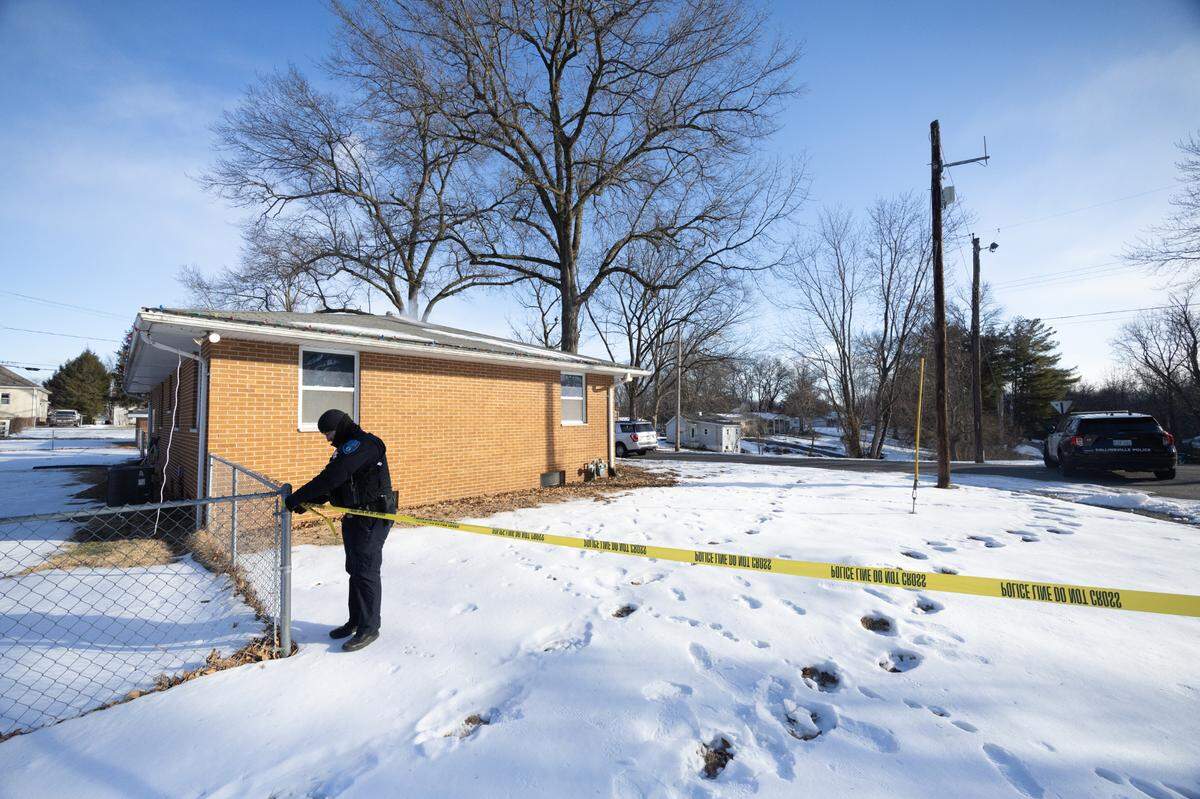
The Collinsville case is being prosecuted by Assistant State’s Attorneys Luke Yager and Lauren Maricle. They allege that Johnson fatally shot Rowland outside her home at 1301 Olive St. in Collinsville about 6 a.m. on Jan. 21, 2025, as she was leaving for work.
Also charged in the case is Marty D. Shaw, 34, of Collinsville, Johnson’s cousin, who is accused of driving the getaway car.
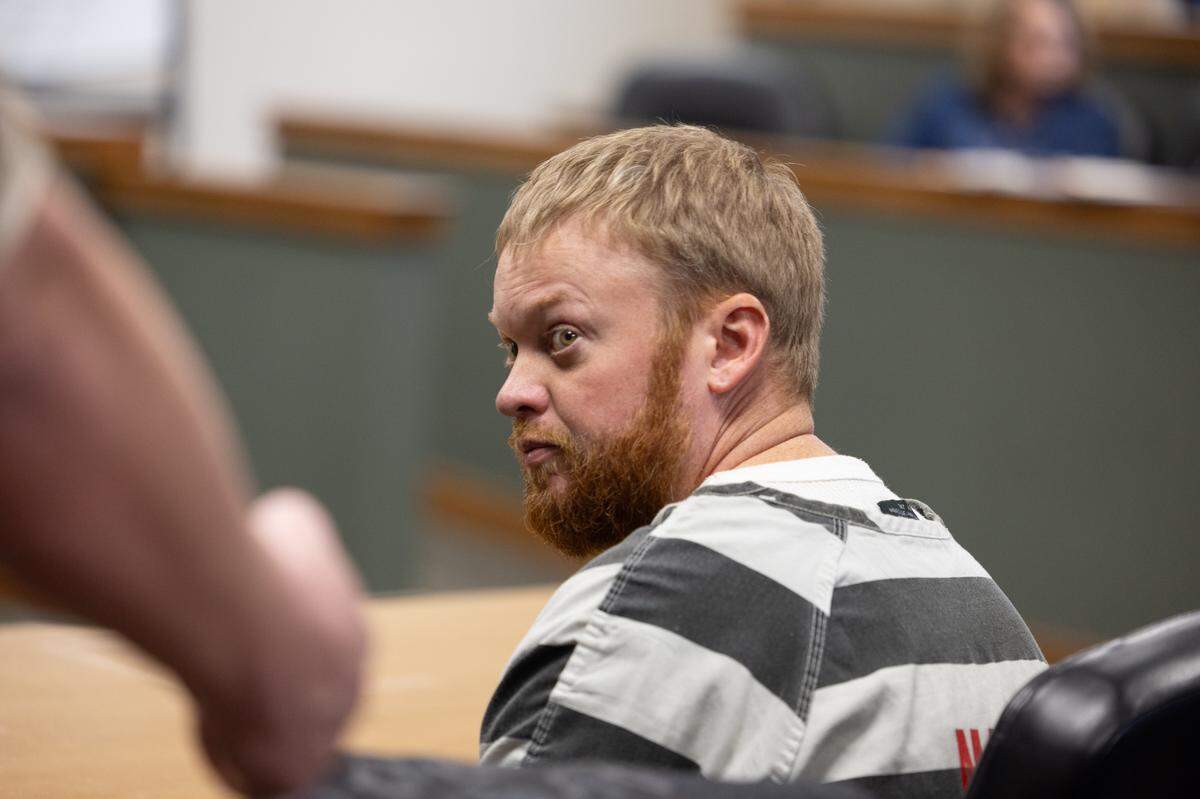
The third defendant is Sammy J. Shafer Jr., 37, a Caseyville businessman and father of three. He allegedly paid the other two $10,000 to kill Rowland, who was living with his estranged wife, Sarah Shafer. Shaw worked for Sammy Shafer’s excavating company.
The office of State’s Attorney Tom Haine charged all three men with first-degree murder, Shafer with solicitation of murder for hire and Johnson with possession of a weapon by a felon.
“We believe the evidence at trial will show that this was not a random act of violence, but rather this was a calculated and cold-hearted murder-for-hire scheme based on a personal grievance,” Haine said at a news conference six days after the shooting.
The Shafers, who had been married since 2013, were going through a contentious divorce at the time, according to St. Clair County court records. The divorce was finalized in June.
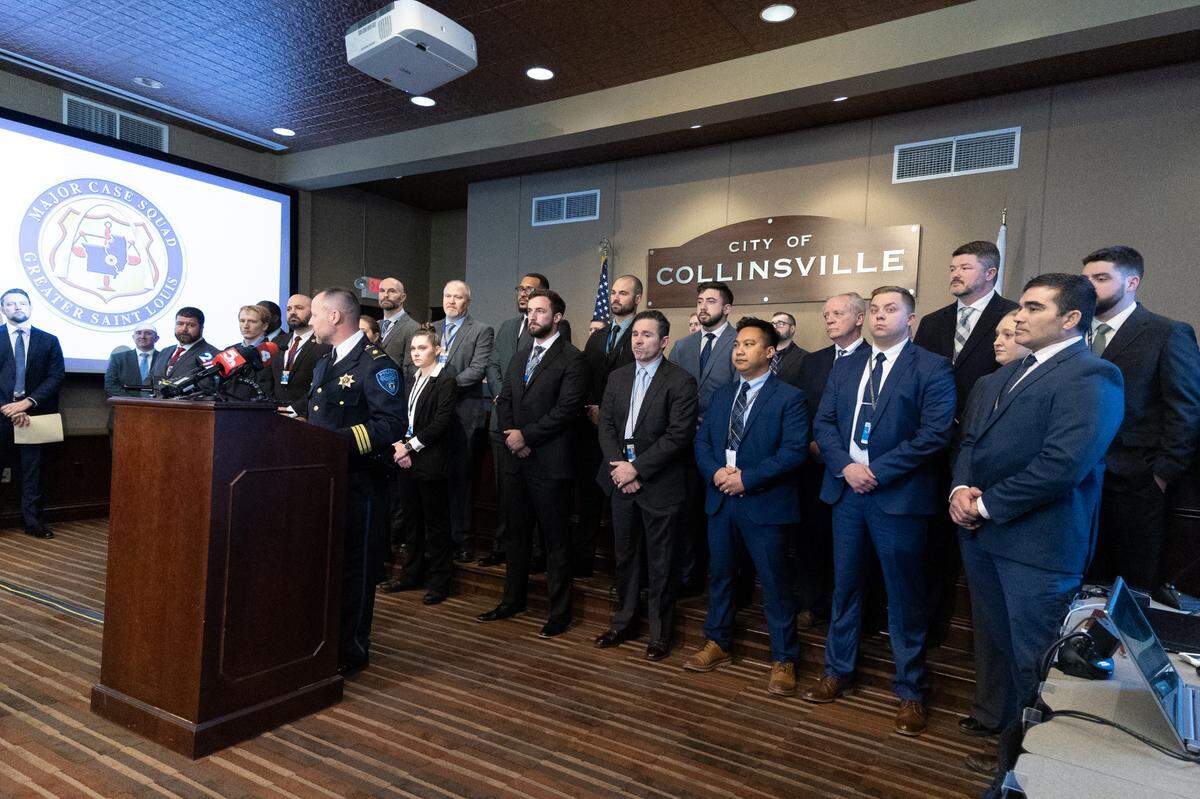
Major Case Squad investigators reported using license-plate readers to track a suspect vehicle to a Missouri address, where they took Shaw into custody, and that led them to Shafer and Johnson.
All three defendants have been held in Madison County Jail since their arrests. Johnson and Shaw waived their right to detention hearings. Shafer filed a motion for release, but a judge denied it.
Shafer’s trial, initially scheduled for April 27, has been postponed. No date had been set as of Monday.
200+ names on witness list
Prosecutors have submitted names of more than 200 family members, friends, neighbors, police officers, forensic scientists and other witnesses who could be called to testify at Johnson’s trial. That includes Shaw, Sarah Shafer and Sammy Shafer’s parents.
Johnson is being represented by Public Defender Mary Copeland. He has called three times for her withdrawal, allowing him to serve as his own attorney, but he later changed his mind.
On Jan. 20, Copeland asked the judge to suppress statements Johnson made to investigators, saying they were coerced and that he wasn’t properly informed of his Miranda rights. Schroeder denied the motion.
On Feb. 25, Copeland requested that prosecutors be prohibited from displaying autopsy photos.
“Due to the gruesome nature of the photographs, they are likely to arouse emotions in members of the jury that could result in unfair prejudice to the Defendant,” she wrote.
On Feb. 26, prosecutors filed notice that they intend to introduce texts from Shaw’s cellphone as evidence at Johnson’s trial. The notice provided the following background:
- Collinsville police received a call on Jan. 21, 2025, about gunshots and screaming at the home on Olive Street and showed up to find Rowland dead in the driveway.
- Video surveillance allegedly showed that Johnson, dressed in all black, had run toward her and fired several shots before fleeing on foot.
- Another video allegedly showed Shaw parked in a black GMC Terrain SUV outside Meadow Heights Professional Building and Johnson walking in the vicinity.
- A search of Shaw’s cellphone allegedly revealed text exchanges with Johnson related to planning and commission of the murder.
The Feb. 26 notice is the court filing that included the allegation that Johnson confessed to killing Rowland.
“Defendant stated that he was hired by Marty Shaw and Shaw’s boss, who was identified as Sammy Shafer, Jr.,” it stated. “Defendant admitted that Shaw provided him information about Rowland including where she lived, and that Shafer had provided a gun to use in the shooting.”
After the murder, Shaw allegedly drove Johnson back to his residence, where he changed clothes before the two went to a Missouri casino, according to the notice.
“Defendant did not know the victim, Portia Rowland,” it stated. “He had no reason to want to harm her, other than being requested to do so by Marty Shaw and Sammy Shafer Jr.”
Rowland was a 2010 graduate of Collinsville High School who worked as a mechanic for Metropolitan Sewer District in St. Louis.
1997 murder called ‘heinous’
The 1997 murder that sent Johnson to prison in 2000 shocked the community and authorities. One East St. Louis detective called it one of the most “heinous” crimes he had ever investigated.
According to witnesses and police:
- Johnson’s 17-year-old friend had seen Woods talking to a girl he liked outside Orr-Weathers housing project and got upset.
- The three friends followed Woods to a Wendy’s restaurant about 2 a.m. and badly beat him but left him alive.
- Back at Orr-Weathers, the friends got worried that Woods could later identify them to authorities.
- They allegedly returned to Wendy’s to kill Woods, hit him with a baseball bat and repeatedly dropped a concrete parking barrier on his head, crushing his skull.
- They doused Woods with charcoal lighter fluid, stuffed paper in his clothing and set him on fire.
- One of the 17-year-olds took Woods’ tennis shoes and was wearing them when police arrested him.
- The 13-year-old was brought to the police station, holding hands with his distraught mother; he later was tried as an adult.
- A psychologist who examined Johnson determined that he functioned at a 10-year-old level and was “mildly retarded.”
St. Clair County Circuit Court Judge Robert LeChien, who handed down Johnson’s 40-year sentence, said he considered the teen’s history and emotional problems, but they didn’t outweigh the crime’s brutality.
“You said you didn’t intend for this to happen, but I don’t buy it,” the judge said. “You came back to the scene to finish him off.”