
No release conditions of release protect public in fatal Troy blast, judge rules
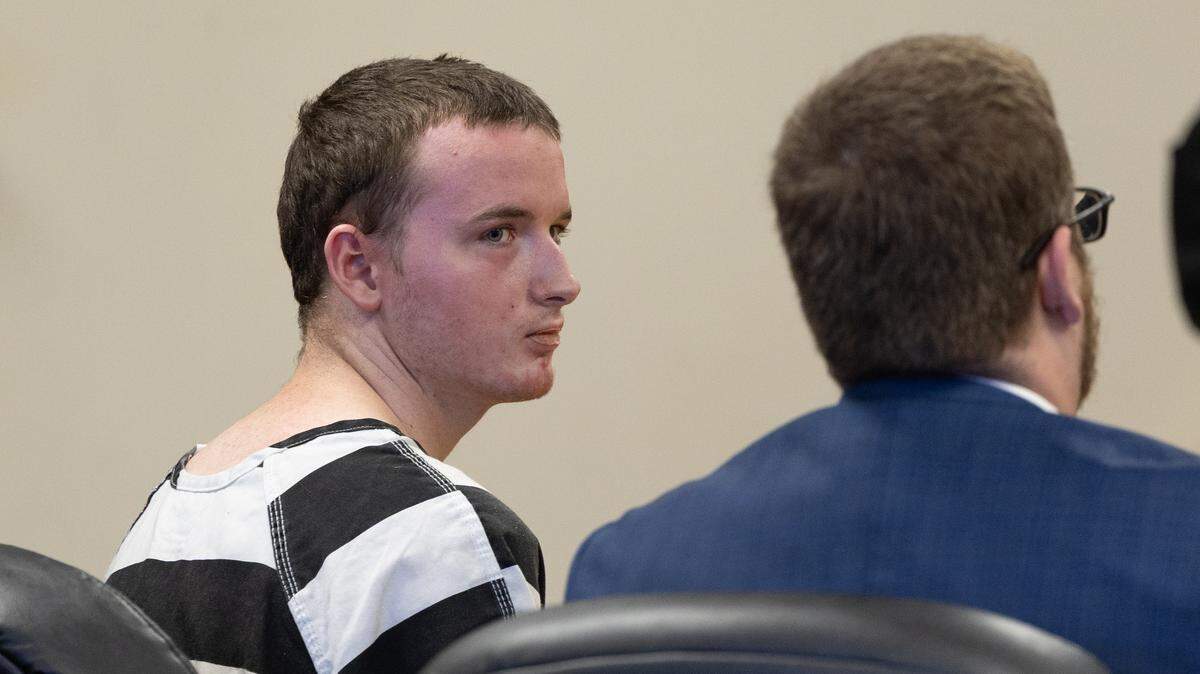
Colton Cissell, the 22-year-old man accused of causing the Easter Sunday explosion and fire at a Troy home that killed three young people, would not resume his alleged pyrotechnics hobby if he were released from jail ahead of his trial, his defense attorney said.
“He is scarred physically and emotionally,” public defender Trent Cameron said at Tuesday’s pretrial detention hearing. “He never wants to go outside on the Fourth of July ever again because of what happened to him and his family.”
Still, Associate Judge John Hackett ordered Cissell detained at the Madison County Jail.
He said there was sufficient evidence to presume Cissell caused the explosion by manufacturing explosive materials in the home, as alleged by Madison County Assistant State’s Attorney Audrey Paulda, and that no conditions of release would prevent him from endangering others.
Madeleine I. Maxeiner, 18, of Troy; Ayden R. Hendrickson, 19, of Collinsville; and Paisley Nishwitz, 12, of Troy, died of smoke inhalation and were “burned beyond recognition,” Paulda said Tuesday.
Cissell was charged last month with six felony offenses including three counts of involuntary manslaughter; possession of explosives or explosive or incendiary devices; endangering the life or health of a child; and possession of explosive material without a license.
Cissell’s father, Kenneth R. Cissell, 48, and stepmother, Roberta D. Cissell, 43, were charged with endangering the life of a child, alleging they allowed the manufacture of explosive devices in the home.
Kenneth and Roberta Cissell were taken into custody, then booked and released, this weekend.
Cissell hospitalized for weeks after explosion
To detain Cissell, prosecutors must show that his release “poses a real and present threat” to others’ safety, Cameron said.
Cameron said Cissell’s physical and mental condition after the deadly explosion and fire made it impossible for him to be dangerous. The explosion and fire left Cissell hospitalized for weeks, and he still suffers from a litany of related medical conditions, Cameron said.
The Madison County Jail is not equipped to provide Cissell with the medical attention he needs, Cameron said. Since he was taken into custody this weekend, sleeve bandages have not been changed and he has not received the correct medication and doses, he said.
Paulda said Cissell could receive dangerous materials in the mail to continue making explosives if he were released from custody. Cameron argued Cissell cannot even use his hands to open packages, nor would he want to resume the alleged hobby, Cameron said.
Paulda assured the court the jail can provide the medical care Cissell needs, saying it has housed individuals with similar injuries.
“He has all of these problems because of his own actions,” she said.
In a news release announcing the charges against the Cissells, Madison County State’s Attorney Tom Haine said the most serious charge against Cissell is unlawful possession, storage or transfer of explosive material with intent to commit another offense. It carries a sentence of up to 30 years in prison.
Kenneth and Roberta Cissell face up to 10 years in prison if convicted, the release said.
The Madison County Sheriff’s Office led the investigation with assistance from the FBI; the Bureau of Alcohol, Tobacco, Firearms and Explosives; the Illinois Secretary of State Bomb Squad; the Illinois State Fire Marshal’s Office; the Madison County Coroner’s Office; the Troy Police Department; the Troy Fire Protection District; and other fire departments.
The investigation is ongoing, according to U.S. Attorney Steven D. Weinhoeft.
“Neither state nor federal authorities will rest until justice is served for these three young victims,” Weinhoeft stated in Haine’s weekend news release.
Maxeiner’s father, Robert Maxeiner, filed a wrongful death lawsuit in Madison County against Roberta Cissell, Kenneth Cissell, Colton Cissell and the property owner, Dennis Grapperhaus.
The lawsuit alleges the Cissells kept dangerous explosives at the house without required permits or licenses, stored them improperly and failed to maintain fire precautions, including working smoke detectors.
Grapperhaus was named as a defendant in the civil case because he “knew or should have known” explosives were being stored on his property and because he was responsible for equipping the house with smoke detectors, according to the lawsuit.
BND reporters Lexi Cortes and Teri Maddox contributed to this report.
This story was originally published June 2, 2026 at 4:42 PM.