East St. Louis looks to capitalize on Gordon Bush Elementary school’s success
East St. Louis School District 189 is preparing to open its first K-8 academy since A.M. Jackson Academy was closed in 2012.
Gordon Bush Elementary and Wyvetter Younge Alternative Center will swap campuses over the summer, and the Younge Academy of Excellence — retaining Gordon Bush’s administration and staff — is set to open in the fall.
Currently, Gordon Bush, at 1516 Gross Ave., serves students in kindergarten through fifth grades.
In the fall, the new Younge Academy, at 3939 Caseyville Ave., will serve students through sixth grade. Each year, the school will add another upper grade, retaining current fifth grade students as the first class to graduate from the K-8 academy.
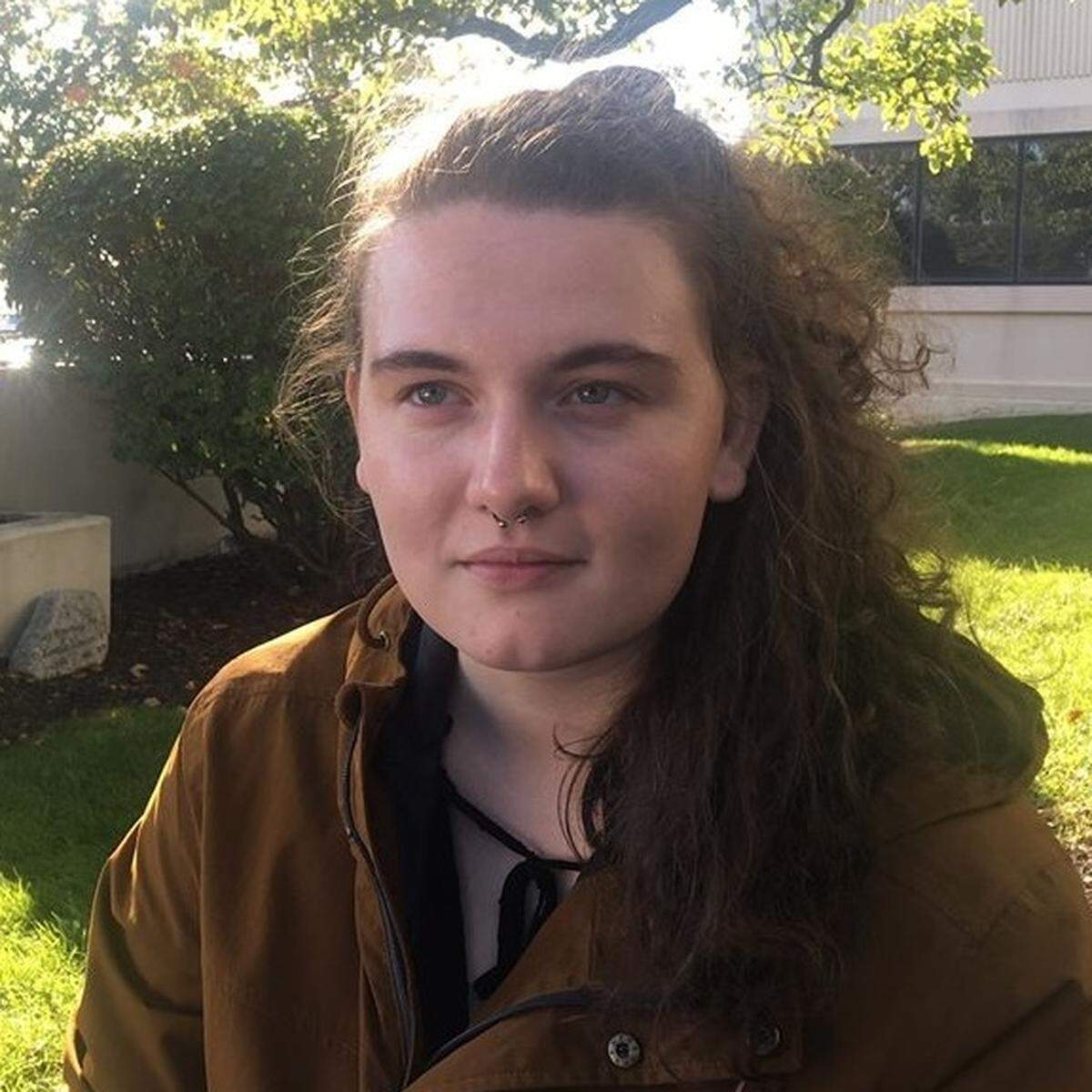
Brittany Green, principal of Gordon Bush and future principal of Younge Academy, said they want to keep the neighborhood feel of the school, but some slots will be available to interested families who live elsewhere in the district.
“We’re really excited about the transition and know we have a unique opportunity that many schools won’t have,” she said.
Increased test scores, zero suspensions
Over the last several years — and under Green’s leadership — Gordon Bush Elementary has made significant progress in several areas of student success, most significantly in test scores and discipline rates.
Green is in her 14th year in education in District 189, teaching at two schools and working as an assistant principal at Lincoln Middle School before becoming the principal of Gordon Bush in 2016. That same year, the school was awarded a federal School Improvement Grant that helped it provide coaching and consulting to teachers.
In Green’s first year, the school had a suspension rate of 17% — one of the highest elementary suspension rates in the state. In the two years before COVID-19 forced the district to go remote, that had dropped to 0%.
“That’s because of our students, parents and teachers, and how we deal with our students now,” Green said. “ … That doesn’t mean we don’t have students who might have minor infractions. We learned how to better deal with students.”
Central office administrators, building staff and parents all spoke highly of the school’s culture, likening it to a family atmosphere that focused on developing students’ academics and leadership.
Standardized test scores have also improved. In the 2015–2016 school year, 4% of Gordon Bush students were deemed proficient in English and math, based on their scores on the Illinois Assessment of Readiness. In the 2018–2019 school year, the percentage of students with proficient scores more than quadrupled to 26%
Assessments were canceled in 2020 after COVID-19 caused school closures, but Green said she’s confident that her students would have surpassed the school’s goal of 30% proficiency. Depending on the test, the state average is usually between 33% and 36%
“Each year, we’re making those growth goals,” Green said. “We’re seeing our students getting stronger and stronger each year.”
A family culture at Gordon Bush
The year over year growth at Gordon Bush has been consistent for nearly a decade, which helped convince the district that a K-8 model could help teachers and students capitalize on the progress being made.
Parents have taken notice of the school’s successes and supportive culture, too.
“If my son misses a day of school, they’ll call and check up on him because he loves school,” Lekita Casey said.
Before moving forward with the plans for a K-8 academy, the district surveyed students.
“They didn’t want to leave Bush. They wanted to stay,” Green said. “They talked about it being safe and having a positive culture.”
In addition to having a young son at the school, Cydney Robinson works as a paraprofessional there. He said keeping kids in the same environment through middle school could provide the consistency that some families in the community may be missing. In 2020, 99.5% of students were low income and 3.6% of students were homeless, according to the Illinois Report Card.
“You’ve got people who are looking out for yours when you’re not there,” parent James McDaniel said. “That means a lot to me.”
Transitioning during COVID-19
Learning loss during the COVID-19 pandemic is a grave concern nationwide. While many local administrators in different districts have spoken highly of the teacher innovation since schools first shut down nearly a year ago, they concede that it can’t replace in-person learning.
While many other districts in the metro-east have had some in-person learning since the start of the school year, East St. Louis has been remote the entire time, though the district recently announced plans to bring elementary students back in March. Throughout the year, Superintendent Art Culver has consistently pointed to the disproportionate number of St. Clair County’s COVID cases occurring within the ZIP codes served by the district.
Nationally, people of color have been hit the hardest by the pandemic, and East St. Louis — with a student population that’s over 97% Black — is no exception.
“This whole situation has been a shell shock to kids. It’s been a shell shock to adults,” McDaniel said
Students transitioning from elementary to middle school, or from middle to high school, are expected to have an even more difficult period of transition next school year. For many kids, it’s a tough time even without the additional stress of a pandemic.
“Research and best practice says that if you can reduce the transitions that students have in their K-8 experience, the better they’ll be,” District 189 Chief Academic Officer Jennifer Brumback said.
The body of research comparing K-8 and middle schools or junior highs is split, but there’s more in favor of the K-8 model than there is against it.
Current fifth graders at Bush Elementary will have the benefit of consistency as they return in the fall for the Younge Academy’s first cohort of sixth graders. Green said some of the elementary teachers are certified for middle school and plan to “loop” with their current students, teaching them next year as well.
“We’re really fortunate to have our kids staying with us after coming back from a pandemic,” Green said.
A new model for East St. Louis
Julius Lewis, a special education teacher on the leadership team for the transition, said there’s no chance the project will fail.
Students receiving special education services, in particular, can struggle when changing schools. Lewis said retaining students through eighth grade should mitigate some of setbacks incurred during the transition to a new middle school — no matter how well elementary and middle school teachers communicate with each other, they’re still separate buildings, and it’s a major change for kids.
“Oftentimes, a lot of time is lost,” he said. “For us to keep the ball rolling … it’s going to be monumental.”
Like most schools, Green said they want to focus on the whole child at the new Younge Academy, and they’re looking at offering some different programs like robotics, chess and dance.
Having older kids in the building also gives students a chance to mentor some of the younger students, building leadership skills along the way, Lewis said.
“It will definitely give us a model for the future, in case we as a district ever decide to do a different type of school,” Chief of Schools Keisa Garrett said.
This story was originally published February 26, 2021 at 7:00 AM.