Which student loans qualify for forgiveness? Here’s what Illinois borrowers should know
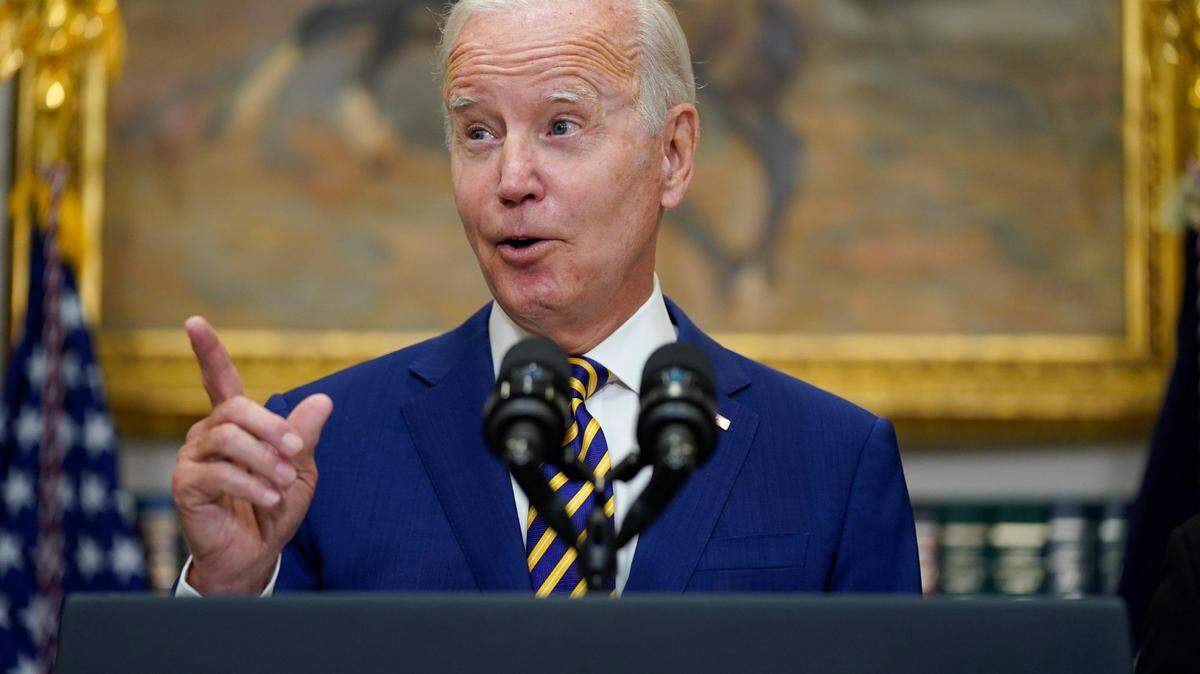
President Joe Biden’s one-time student loan forgiveness program is on hold after the U.S. Eighth Circuit Court of Appeals temporarily blocked it from coming into effect Friday.
Although the debt cancellation plan is currently on pause, the Biden administration is encouraging eligible borrowers who haven’t already applied to do so.
The federal student loan forgiveness application officially went live Oct. 17, and the federal cancellation plan could wipe out debt for 31% of Illinois borrowers, provided they meet income limits.
The plan would forgive up to $10,000 in federal student loans to borrowers who did not receive Pell Grants and up to $20,000 of forgiveness for those who received at least one Pell Grant in their college career.
Borrowers are eligible if their adjusted gross income in 2020 or 2021 was less than $125,000 as an individual or $250,000 as a married couple.
According to Lynne Baker, spokesperson for the Illinois Student Assistance Commission, more than 70% of direct federal student loan borrowers could have more than 25% of their debt canceled, as long as they meet the federal income criteria.
About 31% of federal student loan borrowers in Illinois owe $10,000 or less, and approximately 42% of the state’s federal borrowers have between $10,000 and $40,000 in debt, according to data from the U.S. Department of Education.
What kinds of student loans qualify for forgiveness?
A variety of federal student loans disbursed before June 30, 2022 are eligible for forgiveness, Baker said, including the following:
Direct loans (unsubsidized and subsidized)
Direct consolidation loans (all underlying loans must be loans held by the Department of Education and must have been disbursed on or before June 30, 2022)
FFELP loans held by the Department of Education or in default at a guaranty agency
Perkins loans held by Department of Education
Parent and graduate PLUS loans
Defaulted loans (includes Department of Education-held or commercially serviced Subsidized Stafford, Unsubsidized Stafford, parent PLUS, graduate PLUS; and Perkins loans held by Department of Education)
Additionally, consolidation loans that include any FFEL and Perkins loans not held by the Department of Education are also eligible if the borrower applied for consolidation before September 29, 2022, Baker continued.
Loans not eligible for relief include commercially held FFELP loans (that are not in default), private loans (including any federal loan that has been consolidated into a private consolidation loan) and any loan disbursed on or after July 1, 2022, according to Baker.
Avoid forgiveness scams
While the official student loan forgiveness application under President Biden’s plan is brief and asks for your social security number, it’s important to ensure you’re filling out the correct application to avoid any fraudulent programs.
The Federal Student Aid Office offers these tips to avoid scams:
Be aware of common scams. These may include language such as “act immediately,” “enrollments are first-come first-served” and “Your student loan is flagged for forgiveness pending verification. Call now!”
Don’t pay for help with loan relief. The FSA office says “Getting assistance from a private, unaffiliated debt relief company doesn’t necessarily mean you’ll be scammed,” but the application for one-time forgiveness from the federal government is free to complete.
Confirm you’re working with a U.S. Department of Education partner. The FSA office offers an online list of official partners.
This story was originally published October 24, 2022 at 5:00 AM.