
Experts warn of ‘Pele’s hair’ as Kilauea eruptions continue in Hawaii. What is it?
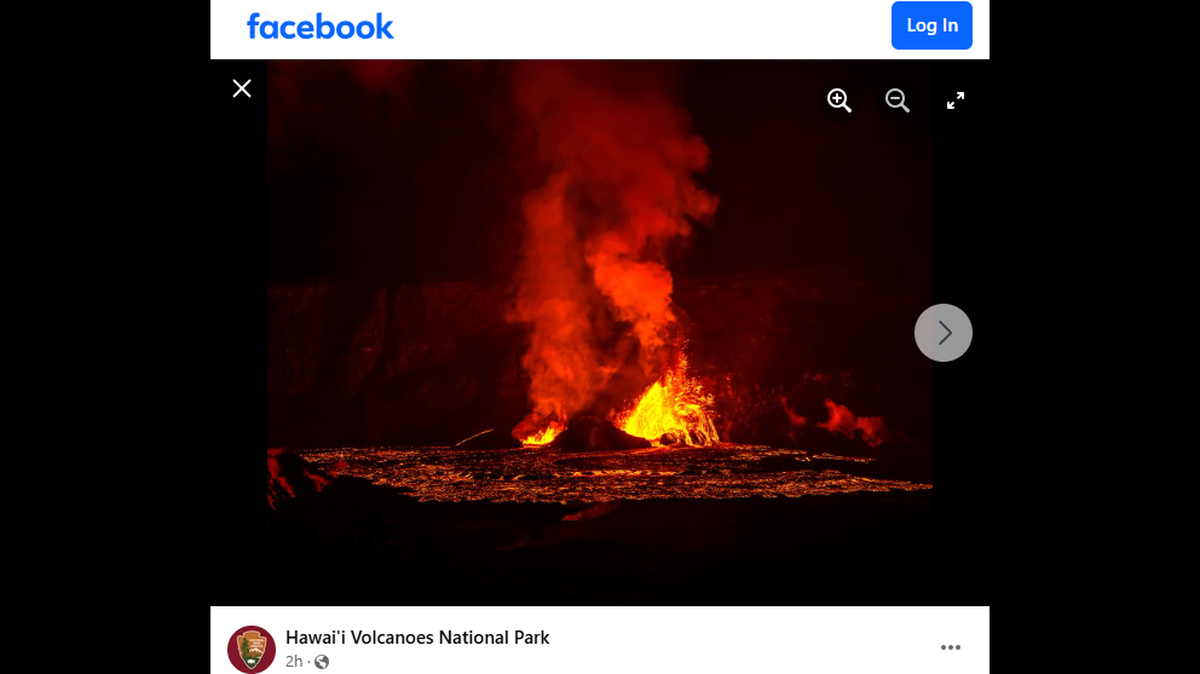
A volcano in Hawaii started spitting lava again Jan. 27 in its seventh eruptive episode in a little more than a month, officials said.
And experts are warning visitors flocking to Kilauea, the volcano on the island of Hawaii, to watch out for Pele’s hair.
But what exactly is it?
The long, thin strands that resemble hair are actually volcanic glass, according to the U.S. Geological Survey’s Hawaiian Volcano Observatory.
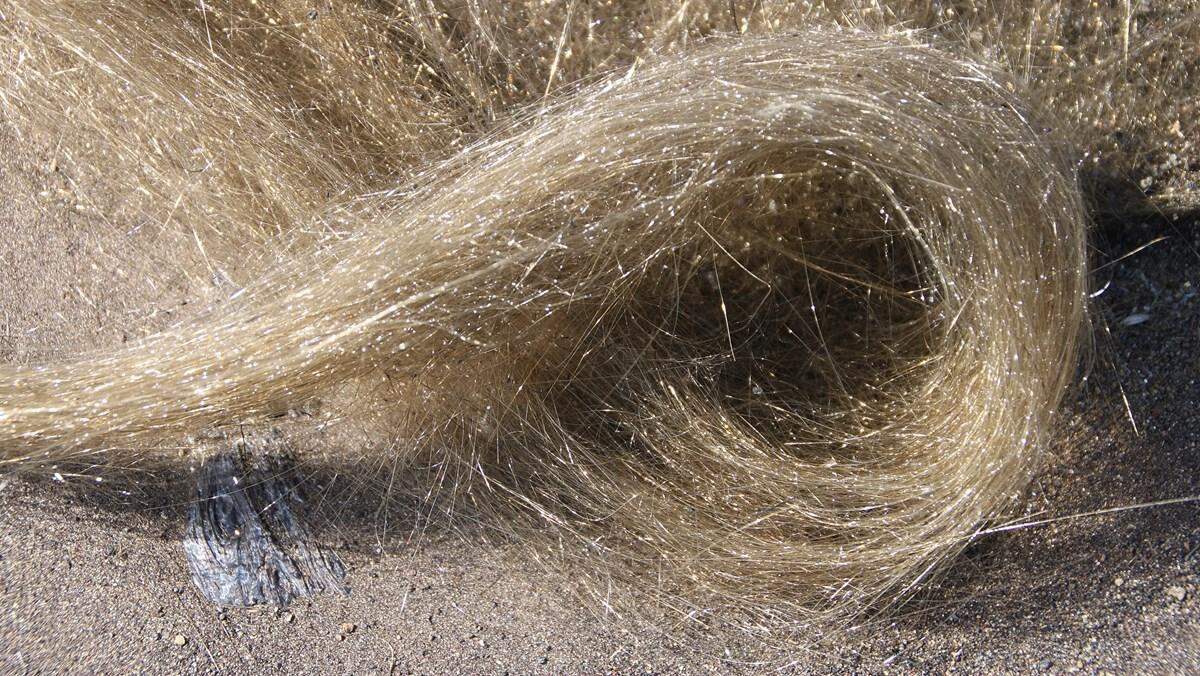
The strands are often less than a millimeter around and can be 3-plus feet in length, observatory officials said. They’re formed “when blobs of lava are torn apart and the fluid lava still connecting them is stretched thin,” officials said.
They can be carried by the wind and “spread far,” officials said, noting that strands “have been reported throughout the summit area of Hawai’i Volcanoes National Park and surrounding communities” during the latest eruptive episode.
When tangled together, the strands look like tumbleweeds.
In Hawaiian tradition, Pele is the volcano deity, according to the National Park Service.
Pele’s hair can be hazardous because the strands are fragile and sharp when broken, leading to potential cuts and irritation of the eyes and skin, according to Hawai’i Volcanoes National Park.
Kilauea began erupting Dec. 23, its eighth eruption since 2020, McClatchy previously reported. The eruption has continued “its cycle of start-and-pause” since then, park officials said.
By Jan. 28, “lava fountains were reaching average heights of 130-150 feet,” observatory officials said.
Along with Pele’s hair, park officials warned visitors to stay on trails, drive with caution, be prepared for crowds, and steer clear of nene, or native Hawaiian geese.
This story was originally published January 28, 2025 at 3:44 PM with the headline "Experts warn of ‘Pele’s hair’ as Kilauea eruptions continue in Hawaii. What is it?."
.JPG)