Human remains found in Spain caves were victims of cannibalism — but by whom?
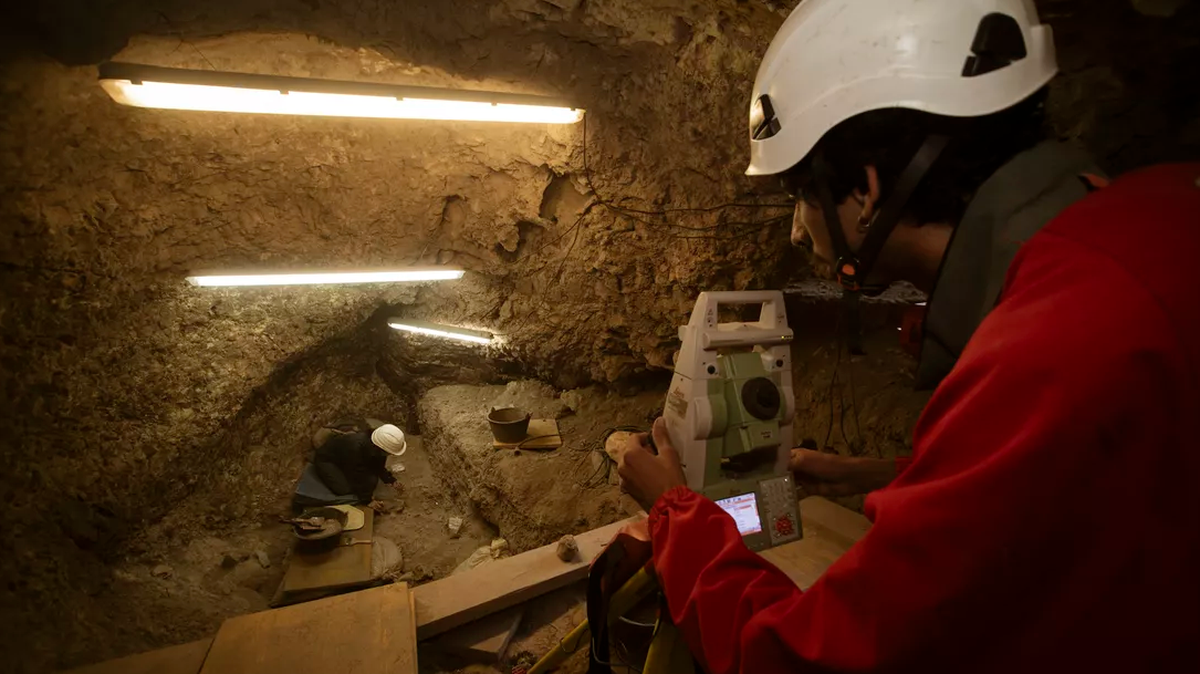
In the karst mountains of northern Spain, a cave once held an ancient family.
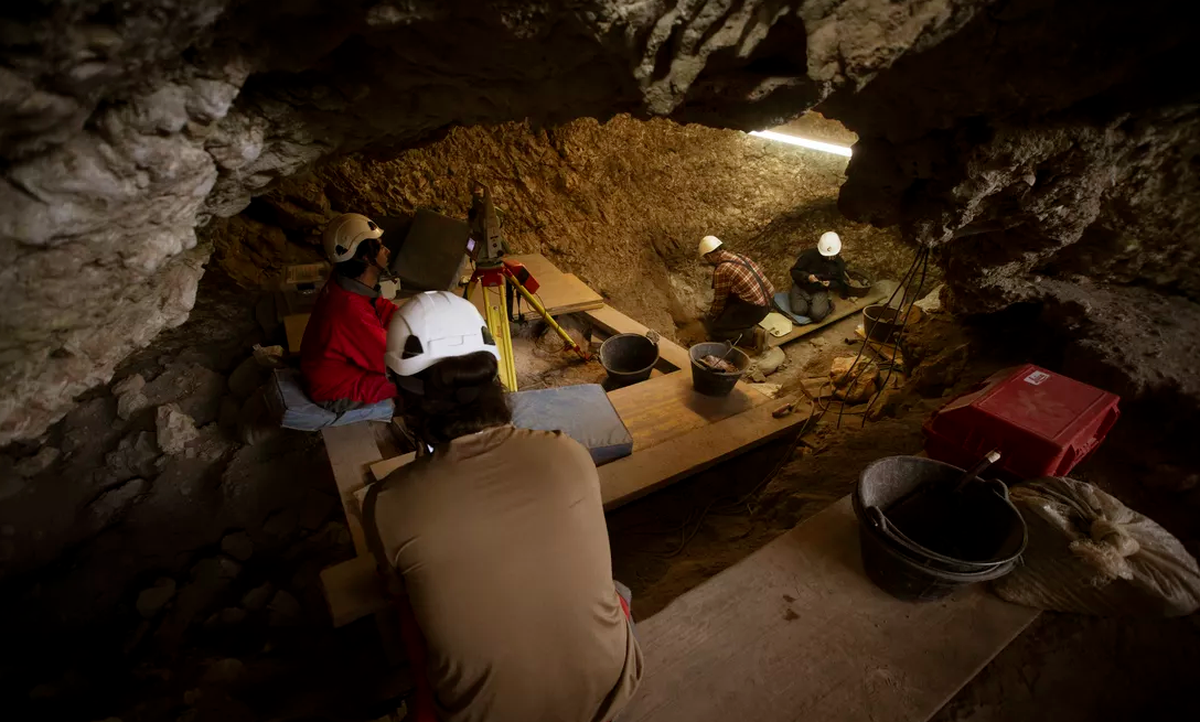
The site was first excavated about 25 years ago when archaeologists found human remains dating back to the Neolithic period and Middle Bronze Age.
Now, analysis of the bones found that not only were the people that called the cave home likely killed, but their bodies were then stripped, cooked and eaten, leaving only chewed bones in the wake.
At least 11 individuals have been found as victims of cannibalism from a collection of hundreds of bones dating to around 5,700 years ago, researchers from the Catalan Institute of Human Paleoecology and Social Evolution and the University of Rovira i Virgili said in an Aug. 7 news release.
The group includes at least four adults, two juveniles and three children, two of which were under the age of 7, according to a study published Aug. 7 in the peer-reviewed journal Scientific Reports. The ages of two individuals could not be determined.
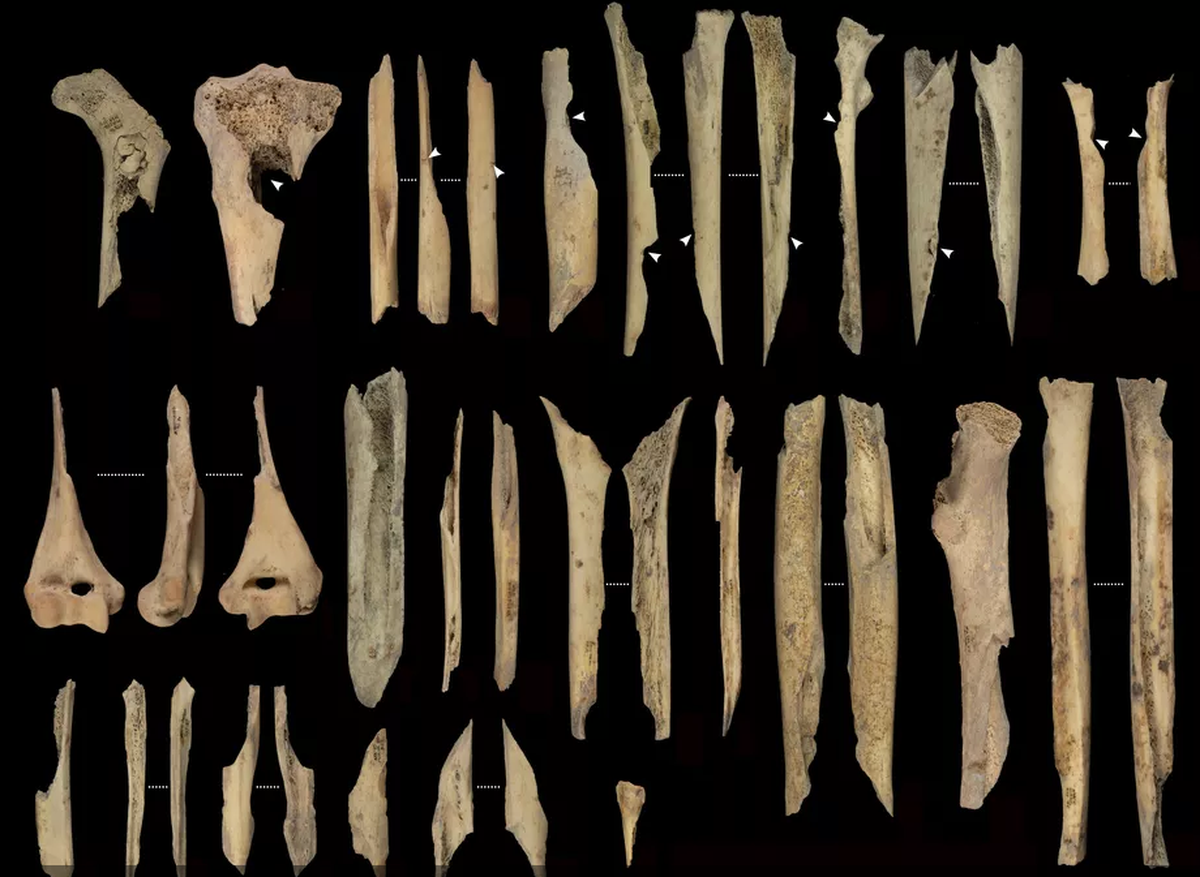
Some of the bones had “signs of butchery” including percussion marks and peeling, but were also found to be burned or polished, a sign that the bones and meat on them had been cooked, according to the study.
Most notably, crushing marks with longitudinal cracks and specific patterns of damage suggest “human chewing,” researchers said.
All of the individuals were local to the region, researchers said in the release, and had been eaten in a very short time period. They may have even been consumed in just a matter of days.
Cannibalism has been observed in some communities as a ritual or in times of extreme starvation, but in those cases, the human remains aren’t consumed so quickly, according to the release.
“So, several traits of the El Mirador assemblage are consistent with a similar interpretation. These include the short-term depositional episode coinciding with the final Neolithic occupation phase, the interruption of livestock-related activities, and the cave’s functional shift, from pen to funerary space, in the subsequent Chalcolithic period,” according to the study.
“Together, these features lend weight to the hypothesis of ‘warfare cannibalism,’ in which the victims, likely a nuclear or extended family, may have been killed in a single event by a neighboring or external group.”
Researchers said they didn’t find explicit evidence of fatal injuries on the remains of the 11 people, but that it doesn’t invalidate the possible cause, as many life-ending injuries do not leave marks on the bone.
While nearly one thousand years apart, this isn’t the first time cannibalism has been observed in the El Mirador cave.
A previous case was identified from the Bronze Age, about 4,600 years ago, but the new study shows it was a practice in the area much earlier, according to the release.
The researchers suggest the cave gives a snapshot look at violence at the end of the Neolithic, a period driven by extreme instability as cultures moved from foraging to farming, according to the study.
“High population pressure, competition over resources and interactions between indigenous Mesolithic groups and incoming Neolithic farming communities often resulted in violent confrontations of varying scale,” researchers said.
El Mirador cave is in the Atapuerca Mountains of north-central Spain.
The research team includes Palmira Saladié, Francesc Marginedas, Juan Ignacio Morales, Josep María Vergès, Ethel Allué, Isabel Expósito, Marina Lozano, Patricia Martín, Javier Iglesias-Bexiga, Marta Fontanals, Roser Marsal, Raquel Hernando, Aitor Burguet-Coca and Antonio Rodríguez-Hidalgo.
This story was originally published August 8, 2025 at 12:02 PM with the headline "Human remains found in Spain caves were victims of cannibalism — but by whom?."