Amid declining revenue and political pull, mayors of Alorton, Centreville favor merger
The mayors of at least two metro-east towns say dwindling population and tax base are stripping their citizens of political and economic muscle.
Combining resources and eliminating expenses by merging the village of Alorton and city of Centreville into a single municipality may be part of the solution, they say.
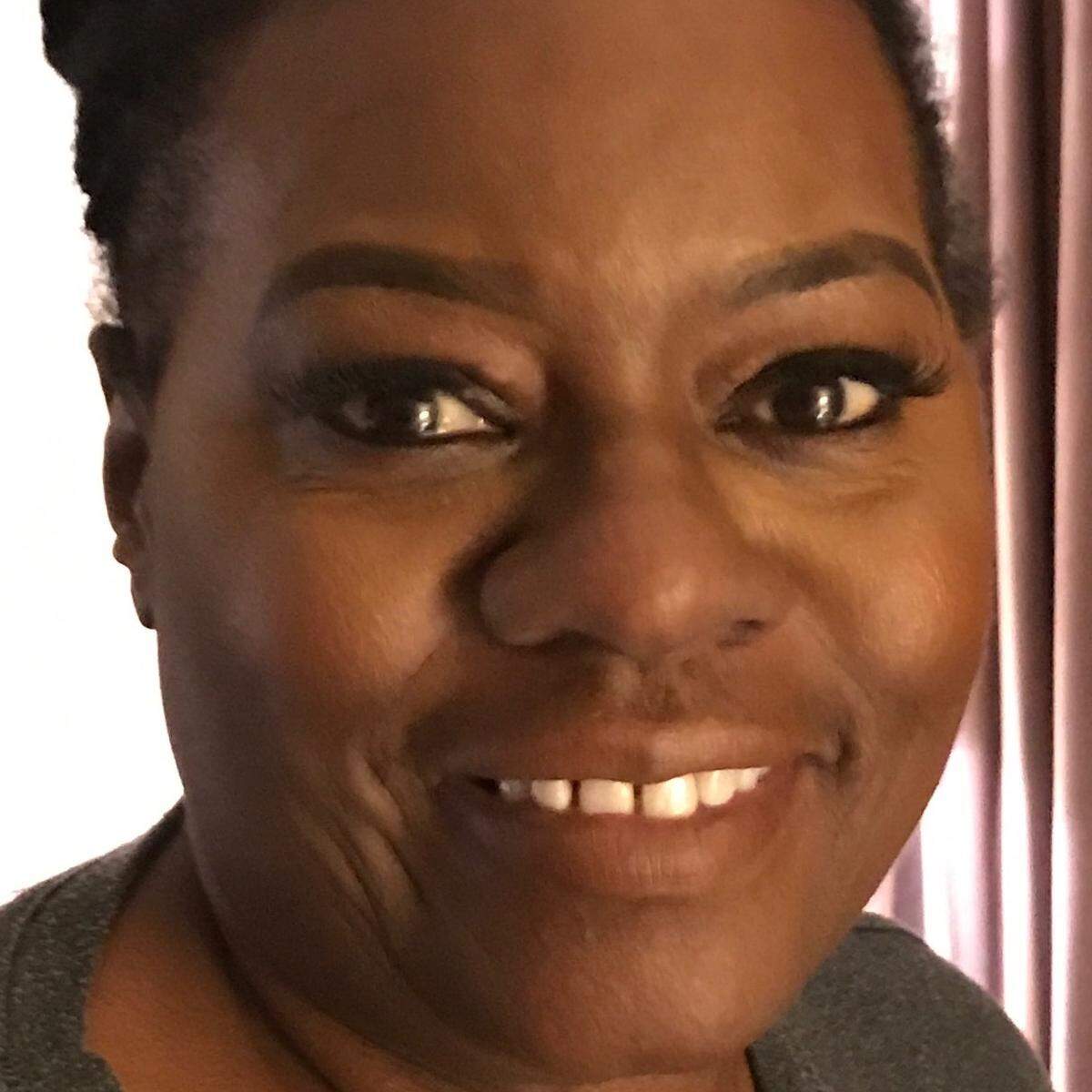
“I have given my all, but I realize my best is not good enough for the village,” said Alorton Mayor JoAnn Reed. “I realize there’s something to combining resources. … No one has a bigger heart for Alorton than me, but I know the merger is the best thing for the citizens.”
The boards of both towns have approved a referendum that, if approved by voters, would join the municipalities in a single aldermanic-style government. The new city, according to the referendum, would be called Alcentra.
The measure will appear on the March 17 primary ballot with a simple majority of each town required for passage.
The idea of the merger was initially proposed by Centreville Township Supervisor Curtis McCall, who included Reed, Centreville Mayor Marius Jackson and Cahokia Mayor Curtis McCall Jr. in an initial conversation about how to stop the flow of revenue away from their cities.
Tax base, cost savings
Antonio Baxton, a business development consultant and former associate director for the Illinois Department of Commerce and Economic Opportunity, was contracted to study the possible merger of Cahokia, Centreville, Alorton, CommonFields Public Water District and Centreville Township. East St. Louis, Washington Park and Brooklyn were part of an overlapping study.
The cost of the study will be split by the municipalities involved. Alorton’s share was about $3,800 while Centreville pitched in $4,000, McCall said.
Baxton presented some of his findings during a public meeting at Charlie Coleman Community Center in Alorton Tuesday night that, at times, became contentious.
He said dissolving Centreville Township alone would save a “typical homeowner” $540 in property taxes. With roughly 3,500 homes in both Alorton and Centreville, those savings amount to about $1.5 million in its first year.
Baxton also said combining the populations could qualify Alcentra for additional federal aid.
Supporters of the March referendum, which includes several past mayors of both Alorton and Centreville, say a merger will create new tax base, reduce the costs of redundant city services and improve public safety with combined police and fire protection.
If it passes, elected officials in each town will have to surrender their seats, though they may run again for office in the new, combined municipality. The mayor and board members of the new council would be subject to term limits, McCall Sr. said.
“This is, hopefully, the beginning of local government finding ways to better the lives of their citizens. There’s too much desolation and, there’s nothing being done about it,” McCall said.
Dwindling population
Alorton, Centreville and Cahokia each have seen dramatic decreases in their populations in the last 30 years. According to the U.S. Census Bureau, since 1990, Centreville has declined from nearly 8,000 residents to barely more than 5,000; Alorton has dropped from 2,957 to an estimated 1,800; and Cahokia, which topped 20,000 residents in the 1970, has fallen to less than 14,000.
Nearly one in five of the residents who remain in Alorton alone are over the age of 55 and more than half live below the federal poverty level, according to the Census Bureau.
“The vast majority of people in Alorton are elderly so they are tax exempt. We’re giving away our business tax to have people in TIF,” Reed said. “From all of the data we are getting from experts combining resources, consolidating is the right thing to do.
“We are just dangling by a thread right now.”
With the loss of population comes the loss of revenue and the ability to provide public services, said McCall.
“When you lose population, you lose your tax revenue from motor fuel tax to sales tax. People are no longer shopping as much in these communities,” McCall said.
Former mayor support
After her board approved of the merger plan at a meeting last month, Reed distributed a letter to Alorton residents on behalf of the referendum.
Centreville Mayor Marius “Mark” Jackson supports the merger as well.
“If you look around our communities you see the population dwindling and the cost of living is continuing to go up. Our job is to provide the best way possible for the residents to live comfortably,” he said. “The merger means eliminating a duplication of services which will save both of us some money.”
It’s not the first time a merger of the two communities has been proposed, but a similar ballot measure failed in Alorton.
Frankie Seaberry, who was the mayor of Centreville at the time, supports the revival of the referendum in March because she says it makes sense geographically.
“We have a duplication of services and Centreville has a north and south side, with Alorton in the middle,” she said. It’s really two Centrevilles, one side of it is on Lake Drive. Alorton is in the middle. Then, there is Centreville again on the south side. It only makes sense to make them one. …
“It would help the economic picture if the money is used wisely.”
Riley Owens, former mayor of Centrevile, said he will only support a merger only if it includes Cahokia.
“With all of them together, there is an increase in population, a stronger tax base and voting strength. All of them together — this is the only way the merger makes sense,” Owens said.
Former Alorton mayors Randy McCallum and Carolyn Williams think the merger could be a good thing for the two communities.
“We would be able to get some good things going in both communities. I want Alorton to look like Swansea and Waterloo,” Williams said. “Our citizens deserve that and more.”
Not everyone is in favor
Not everyone supports a merger, however.
Shirley Collins, who has been a homeowner in Alorton for almost 20 years, said no one she’s talked to in the community supports the proposed merger. And she won’t either until she feels she can trust what city leaders are telling her.
“I need to see actions before it comes from a vote,” she said. “We need people in our community that actually care about our community.”
This story was originally published February 12, 2020 at 12:16 PM with the headline "Amid declining revenue and political pull, mayors of Alorton, Centreville favor merger."