Trump administration sues Illinois over financial aid to undocumented immigrants
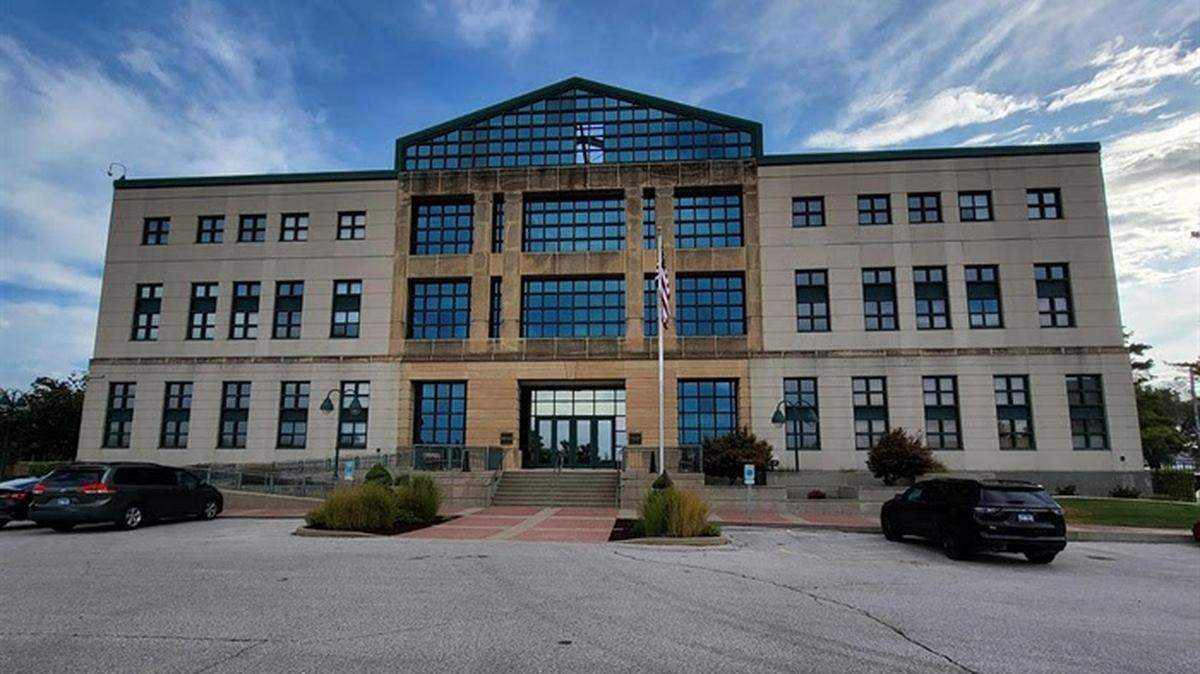
The Trump administration is challenging Illinois laws providing in-state tuition and scholarships for undocumented immigrants attending college.
In a 25-page federal lawsuit filed Tuesday in the Southern District of Illinois in East St. Louis, the U.S. Department of Justice’s Civil Division and the U.S. Attorney for the Southern District of Illinois allege the state law that Illinois is following pertaining to post-secondary education benefits for immigrants is unconstitutional and discriminates against U.S. citizens, who do not get the same reduced tuition rates or scholarships.
The parties being sued are the state of Illinois, Illinois Gov. JB Pritzker, the State Attorney General and several other colleges and universities throughout the state.
Also named in the suit are the University of Illinois Board of Trustees as well as the Board of Trustees of Southern Illinois University, which has campuses in Edwardsville, East St. Louis and Carbondale. Others include Rend Lake Community College, the Illinois Student Assistance Commission and the Illinois Dream Fund Commission.
A spokesperson for Pritzker released a statement Tuesday that said the Trump administration “strips away federal resources from all Americans.
“Illinois provides consistent and inclusive educational pathways for all students – including immigrants and first-generation students – to access support and contribute to our state,” the statement said. “All Illinoisans deserve a fair shot to obtain an education, and our programs and policies are consistent with federal laws. This is yet another blatant attempt to strip Illinoisans of resources and opportunities.”
Federal law prohibits providing unauthorized immigrants with any post-secondary benefits on the basis of residency unless that benefit is available to all U.S. citizens, regardless of their residency, the lawsuit alleges.
The three-count lawsuit says federal law, through the supremacy clause of the U.S. Constitution overrides and invalidates state law.
Count one of the suit is based on state tuition. Count two is based on student financial aid and count three of the federal lawsuit is directed at state administered scholarships.
Illinois law classifies immigrants who are not lawfully in the United States as “residents” and requires public state colleges to provide reduced reduced tuition and other post-secondary education financial benefits, while U.S. citizens from other states, who do not meet the residency requirements, must pay higher out-of-state tuition rates and do not qualify for other benefits, a news release from the U.S. attorney’s office said.
In addition to providing in-state tuition, the state of Illinois also provides immigrants with taxpayer-funded scholarships through state programs administered under the Retention of Illinois Students and Equity, or RISE, Act.
This financial aid is accessed through an alternative FAFSA form only available to non citizens. These benefits are not given to U.S. citizens who live outside of Illinois, the release said.
The Rise Act was signed into law on June 21, 2019. It expanded access to state financial aid for undocumented students in Illinois who are eligible for federal support through the Free Application for Federal Student Aid, or FAFSA, which disqualifies them because they are undocumented immigrants living in the United States, according to the news release.
“Illinois has an apparent desire to win a race to the bottom as the country’s leading sanctuary state,” U.S. Attorney Steven D. Weinhoeft for the Southern District of Illinois said in a statement.
He said this “misguided approach mandating in-state tuition, scholarship and financial aid to illegal aliens plainly violates federal law.”
“This policy treats illegal aliens living in the United States better than U.S. citizens living in other states and it incentivises even more illegal immigration, all on the (taxpayers’) dime. Illinois citizens deserve better,” Weinhoeft said.
Belleville News-Democrat reporter Mike Koziatek provided information for this article.
This story was originally published September 2, 2025 at 5:32 PM.