
Bird flu in Illinois: What steps can owners, producers take to protect their flock?
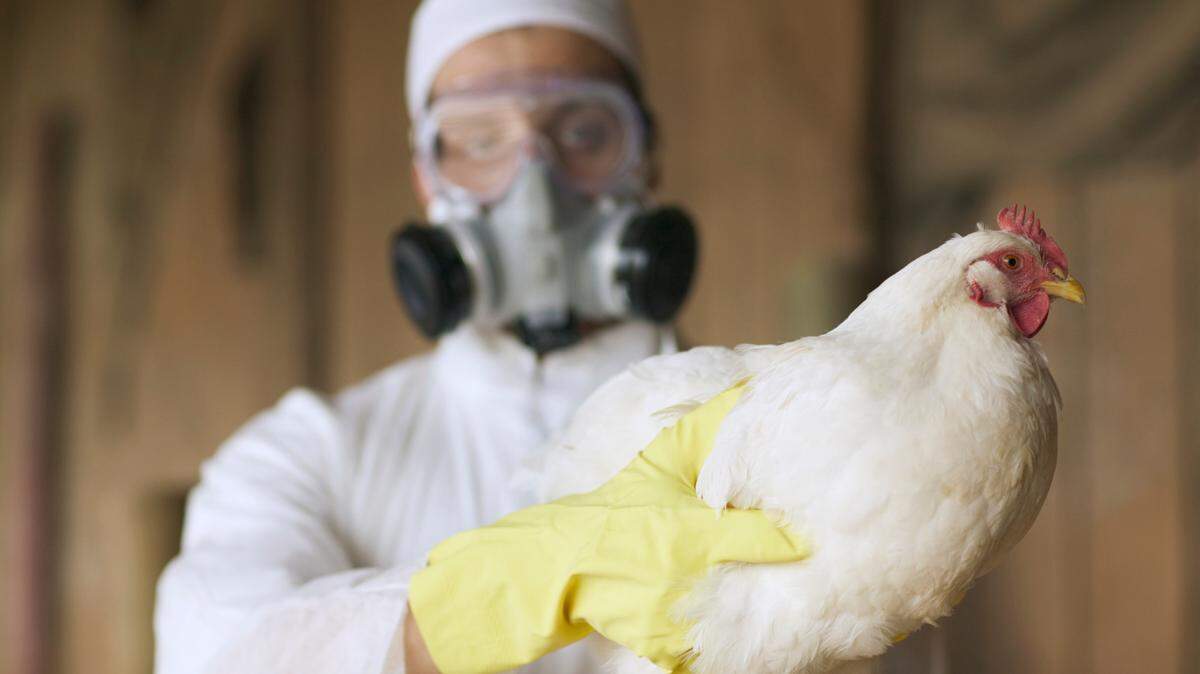
Keep your flock indoors and review your biosecurity plans. Bird flu has made its way to central Illinois, and it increases mortality rates.
Avian influenza cases have been reported in a number of states this year, including Nebraska, Wisconsin, Kentucky, Kansas, Indiana and Illinois. Some of the nation’s outbreaks have occurred at commercial facilities, but the recent Illinois report pertains to a backyard, noncommercial flock.
While there is no immediate health risk to the general public, there are groups who may see an increased risk of exposure to the disease. Keeping an early eye out for symptoms can help slow the spread of the flu.
Where have avian flu cases been found in Illinois?
Presence of the highly pathogenic avian influenza has been confirmed in a noncommercial backyard flock in Mclean County. The Illinois Department of Agriculture (IDOA) reported in a press release that the organization quarantined the affected premises and birds there would be euthanized to prevent further spread of the virus.
How can bird producers and owners protect their flocks?
“Producers and owners should review their biosecurity plans and prevent contact with wild birds and their droppings,” said Dr. Mark Ernst, IDOA state veterinarian. “IDOA also strongly encourages all producers to keep birds indoors when possible.”
The U.S. Department of Agriculture recommends bird owners to include these steps in their biosecurity plans:
- Wear personal protective equipment, including boot covers. Change into fresh PPE between coops.
- Move birds to a separate area before beginning the cleaning process.
- “Dry” clean all areas.
- “Wet” clean all surfaces.
- Rinse all surfaces with water and apply disinfectant.
- Leave the enclosure empty until it is completely dry. Wet surfaces can be harmful to birds.
- Remove and discard or clean PPE. Wash your hands thoroughly.
The USDA also has a video with recommendations on how to best protect your birds.
Who may see an increased exposure to bird flu?
The cases do not pose an immediate public health concern to the general public.
The U.S. Centers for Disease Control and Prevention has reported outbreaks in domestic poultry and wild bird infections may result in increased exposures of groups such as poultry workers. Guidance for hunters, poultry producers, health care providers and the general public is available online from the USDA and the CDC.
Chicken and eggs are still safe to eat, as long as they are cooked to an internal temperature 165 degrees Fahrenheit, as usual.
How should bird keepers assess their flocks for the virus?
Flock owners, producers and veterinarians should look out for these symptoms and immediately report them to the IDOA at 217-782-4944 or USDA at 866-536-7593.
Increased mortality
Decreased water consumption
Decreased egg production
Coughing or sneezing
This story was originally published March 17, 2022 at 10:23 AM.