Illinois homeowners can receive up to $30K in housing assistance. Here’s how to apply
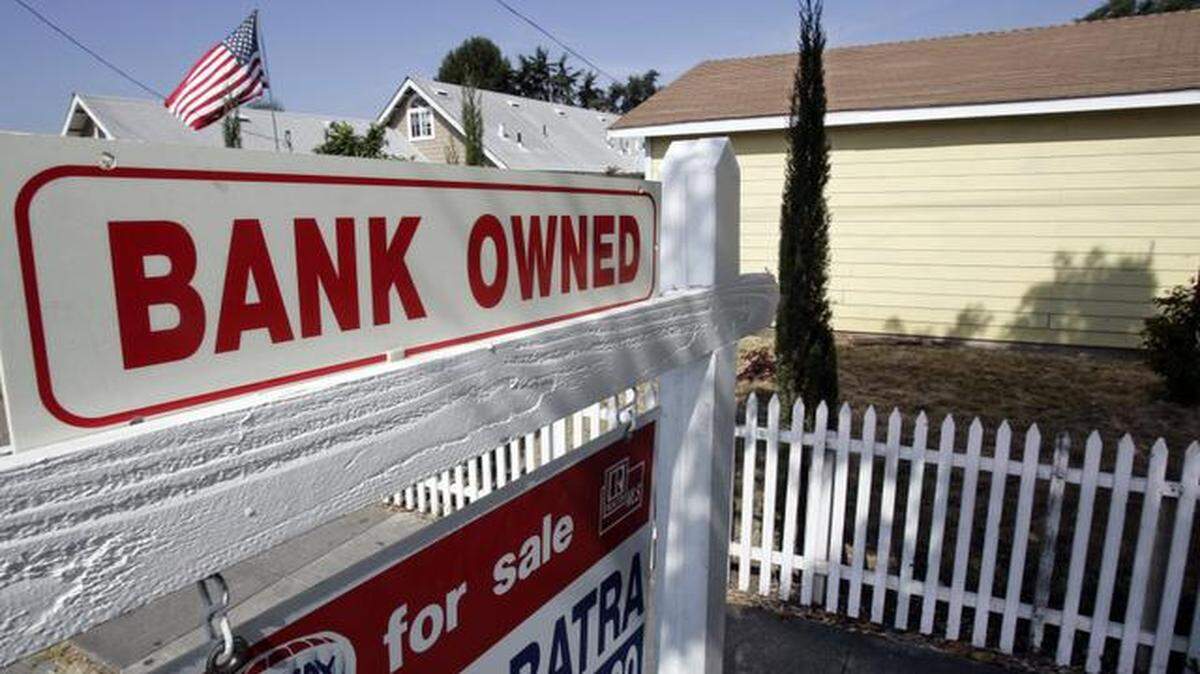
The Illinois Homeowners Assistance Fund provides aid to those who have fallen behind on monthly housing payments for reasons related to COVID-19.
The program is federally funded and will provide a total of $309 million in assistance. Applications will be accepted until 11:59 p.m. May 31.
In an April 29 release, Gov. J.B. Pritzker said more than 5,000 residents had already applied for relief through the program. The largest award amount is $30,000.
The Illinois economy has not recovered as well as the rest of the nation in recouping jobs lost in the recession, according to a 2022 Moody Economic Forecast report prepared for the state.
The state’s unemployment rate has not decreased at the pace of the rest of the Midwest, though the report also said the past 12 months have seen above average growth. The analytics group said it expects Illinois to make a slower full recovery than in the rest of the region and country.
Here’s what to know about getting homeowner’s assistance in Illinois, including how to apply.
Who’s eligible for housing assistance in IL?
To qualify for this aid, you must meet all of the following requirements:
Own a property in Illinois that you use as your primary residence.
The property must be a one- to four-unit building, condominium, townhouse, manufactured or mobile home.
You must have a mortgage on the property that has been delinquent for at least 30 days, or if you do not have a mortgage, you must have late taxes.
Your household income must be at or below 150% of your county area median income or 100% of the U.S. median income, whichever number is higher. Most funds are reserved for those making 100% or less of the median income for their county or nationally. For residents of St. Clair County, the 150% income limit is $89,150 for a single-member household, $101,900 for two people, $114,650 for three people and $127,350 for a four-member household.
Have experienced a hardship (income decrease or expense increase) related to COVID-19 that began, continued or worsened during the pandemic, even if it began prior to Jan. 21, 2020.
Awards can be used to fund the following expenses:
Overdue mortgage payments for primary and subordinate mortgages or for mobile home loans. Escrowed fees are included.
Up to three future primary mortgage payments
Overdue non-escrowed property taxes
Overdue non-escrowed property hazard insurance, flood insurance payments
Overdue non-escrowed association fees, including for homeowners associations, condo associations and housing cooperatives
Overdue lot rent for manufactured or mobile homes
How to apply for housing assistance in IL
Before you apply for aid, you are asked to consult with a counselor approved by the U.S. Department of Housing and Urban Development to discuss available options and resources.
For St. Clair County residents, the counselor is at Navicore Solutions and can be reached at 866-472-4557. Alternatively, you can speak with your mortgage servicer about potential loss mitigation options.
If you have received any foreclosure-related documents, the state recommends you reach out to a partnered legal aid. Legal assistance can also be found at the counselor locator.
Before being approved for funds, you must obtain a certificate from your approved counselor, a form from your legal aid attorney or a letter from your mortgage provider detailing efforts to resolve your delinquency.
You can still apply if you have not received your documentation yet, and you can provide it later in the process.
Other required documents include identification, proof of household income, proof of residency, proof of ownership and evidence of an overdue payment.
When applying, you will be asked to create an Illinois Homeowner Assistance Fund account, complete a pre-eligibility questionnaire and provide the documents listed above.
The application portal can be found at https://ilhaf.ihda.org/#/display/61e0a6eb48d4b00183bed2c8.