COVID changed some liquor laws in IL. A guide to happy hour, local ordinances and more
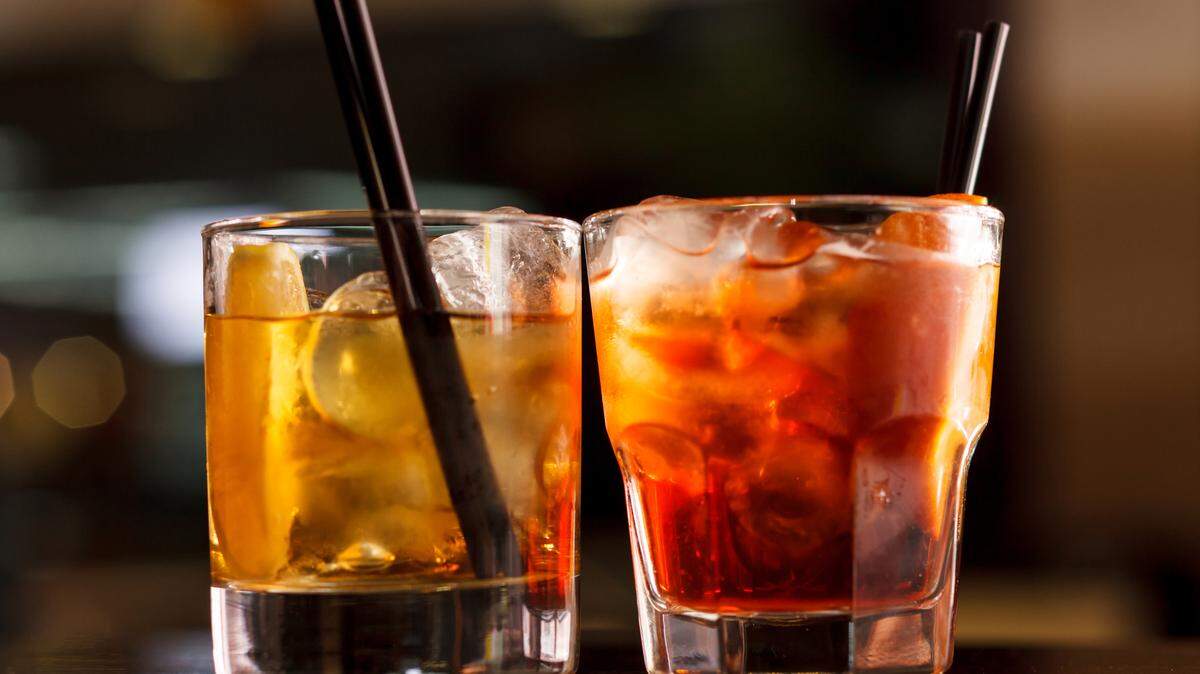
While COVID-19 policy restricted many industries, the those in alcohol sales received new freedoms in Illinois and many other states to expand sales onsite and for to-go drinks.
More than two years into the pandemic, some of those changes still apply.
Establishments with on- and off-premise liquor licenses are now allowed to sell to-go cocktails and single servings of wine, with regulations. The provision is set to expire Jan. 3, 2024, and some business owners said being permitted to sell the to-go drinks kept them from shutting down as the pandemic jolted the hospitality industry.
A number of venues in the state can sell alcohol and spirits, including grocery and convenience stores.
Local ordinances may restrict to-go cocktail sales or impose unique requirements, but Illinois state law has a number of mandates all establishments selling alcohol must follow.
Here’s what Illinois liquor law says about happy hours, age requirements, obtaining a liquor license and serving alcohol at private events. Plus, we’ve rounded up information about Belleville’s local ordinances governing alcohol sales and consumption.
What happy hour promotions are permitted?
Illinois law allows establishments with liquor licenses to offer drink discounts up to four hours per day, not to surpass 15 hours per week total. The four hours allowed in one day do not have to be consecutive.
The business must advertise the promotion online or at the establishment at least seven days prior to the discount period. Happy hour deals may not take place between 10 p.m. and the business’ closing time.
Daily drink specials are allowed, as long as the license holder advertises the price in the mandatory pricing schedule.
How old do you have to be to enter a bar or serve alcoholic beverages?
The Illinois Liquor Control Act allows local jurisdictions to set higher age requirements, but servers must be at least 18 years old to sell alcoholic beverages.
Similarly, local ordinances may differ, but state law requires a person to be at least 18 years old to enter a bar. The age requirement does not apply to restaurants that sell alcohol.
In Chicago, people must be 21 to serve alcohol, and those younger must be accompanied by a parent or guardian to enter a bar.
How can you obtain a liquor license in Illinois?
To sell alcohol, you must obtain a retailer license. The application requires documentation of current local liquor license, certificate of insurance, proof of property purchase and check or money order.
The liquor license fee in Illinois is $750, and application processing time is about three to 10 business days. You must apply for renewal annually and repay the fee.
Along with necessary documents like the insurance certificate, the application has a number of fields related to retailer eligibility, video gaming and authorized schedule.
Do you need a license to serve alcohol at a wedding?
A liquor license is always required to sell alcohol in Illinois.
If your private function is by invitation only, you control access to the premises and you provide alcohol at no charge to guests, you do not need a liquor license.
What does the city of Belleville allow?
In Belleville, licensed businesses can sell alcohol between 5 a.m. and 2 a.m. daily. Those under the age of 21 are allowed to enter bars and similar establishments as long as a parent or guardian accompanies them.
The minimum seller age in Belleville is 18, while the minimum age to serve alcoholic beverages is 21.
Open alcohol containers are not allowed in public, but a business can allow guests to bring in their own liquor.
You can check out this survey of liquor-related ordinances to find requirements in other jurisdictions.