Has dry weather affected fall foliage in the metro-east? When to catch peak color
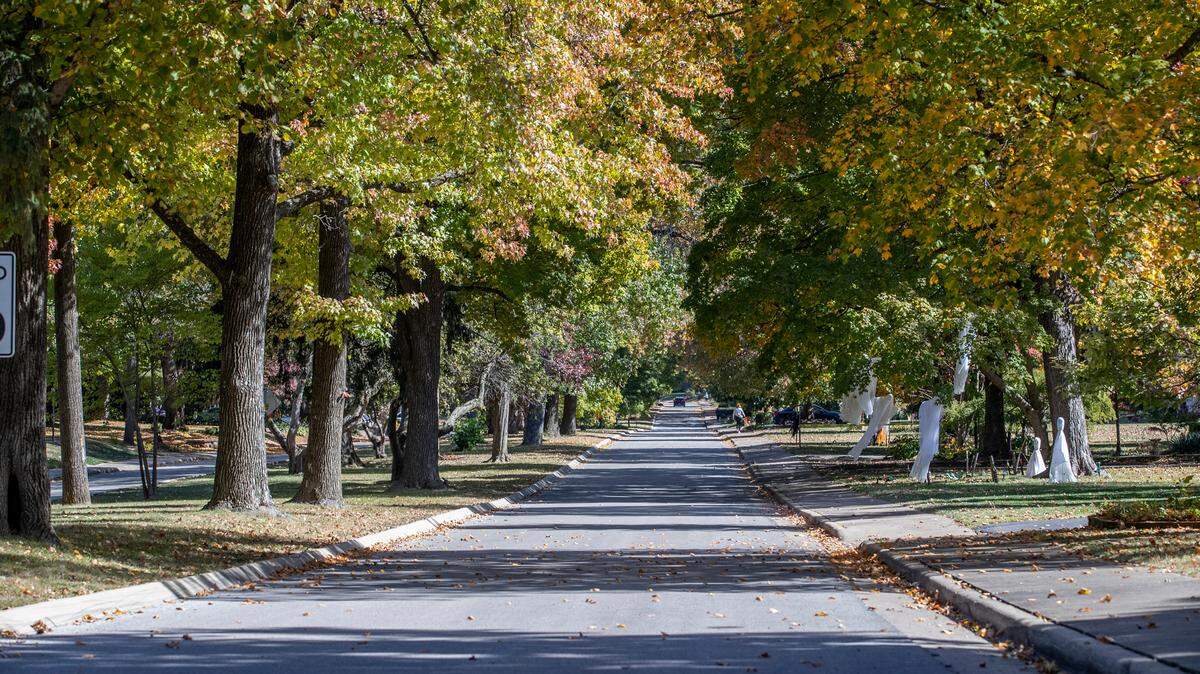
If you’re hoping to enjoy this fall’s colorful foliage in the St. Louis region, you may want to get outside sooner rather than later.
Jerry Overmann, urban forestry superintendent in St. Louis, told the Belleville News-Democrat Oct. 26 foliage fans likely have the next two weeks before most leaves fall.
“These next two weeks will be the best time to see the colors, and you’re going to see a good, wide variety of trees that have changed and (are) going through the change,” Overmann said. “So it would be this week and next week that I would say, if you want to get out and see fall color, now’s the time to do it.”
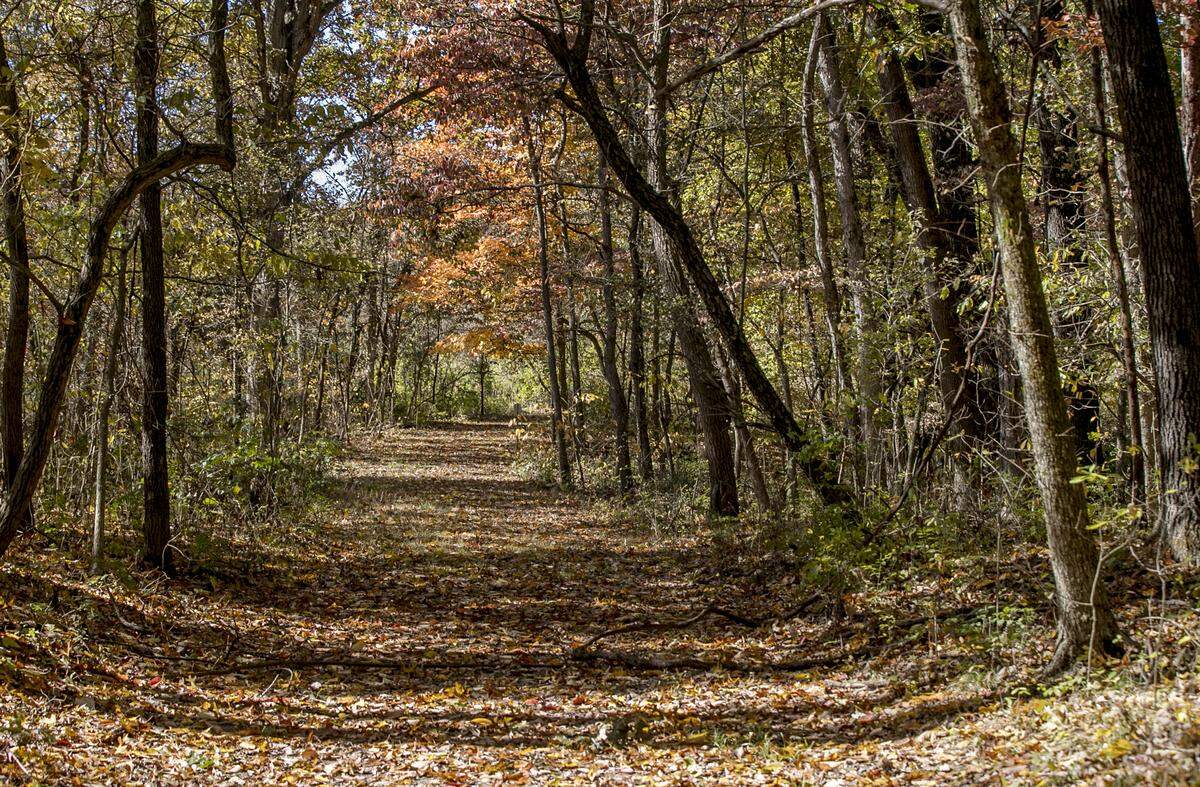
You may have noticed this year’s foliage in St. Louis and the metro-east hasn’t quite lived up to some previous years as far as vibrancy and color go. This is related to the dry conditions much of the region has experienced in recent weeks.
“The noticeable difference is that the colors weren’t as bright and vibrant as they normally would be because of the long drought before they start changing,” Overmann said. “The colors seem to be a little dull this year.”
That said, there’s still plenty of yellow, orange and burgundy in the trees. Overmann recommended Tower Grove Park and Forest Park for those looking to enjoy the seasonal scenery, though any local park is likely to have some pretty views.
The interactive Smoky Mountains Fall Foliage Prediction Map uses data from the National Oceanic and Atmospheric Administration and indicates southwest Illinois and St. Louis area residents will see near peak foliage this Halloween, with leaves set to peak around Nov. 7.
The Farmers’ Almanac predicted fall color will peak in southern Illinois and Missouri between Oct. 12 to 28.
Why do leaves change color?
When the weather cools down and days become shorter in the fall, trees stop producing chlorophyll, which is the green pigment presented in various shades on leaves in the spring and summer.
White oaks leaves tend to be anywhere between red and burgundy during peak fall foliage season, Overmann said, while a ginkgo will have a bright golden yellow color. Ginkgos have a very brief window of vibrant color before the leaves fall, so you may see their branches bare before other species.
More than 250 species of native and introduced trees have been found in Illinois, according to the state’s Department of Natural Resources.
About 119 tree species are native to the state, Overmann said. IDNR reports 98% of Illinois forests are composed of hardwoods species, and 43% of the hardwood species are white and red oak.
This story was originally published October 29, 2022 at 6:00 AM.