Destructive, flying insects tend to swarm Illinois in spring. Watch out for these 2 types
Along with warmer weather and colorful birds, springtime also brings a slew of pests to Illinois, including some that can cause major property damage.
One of the most popular species known for its destruction is the termite, which causes $6.8 billion in damage across the U.S. each year, according to the National Pest Management Association.
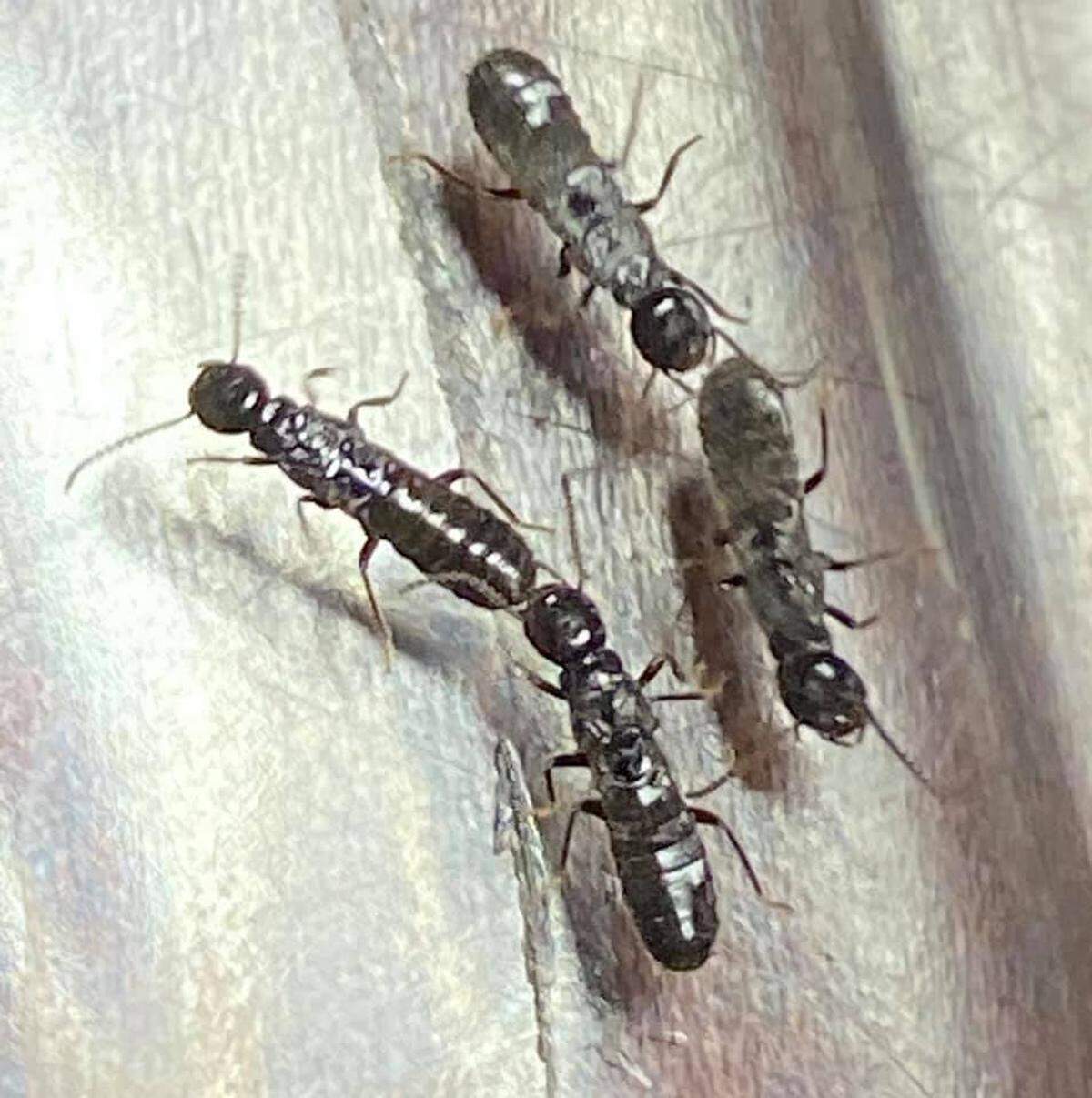
While termites can be active year-round, springtime is their swarming season as females and males search for mates from other colonies. You may see tens of thousands of termites erupt out of a colony during the spring, Michael Bentley, board-certified entomologist and vice president of training and technical services for the NPMA, told the News-Democrat recently.
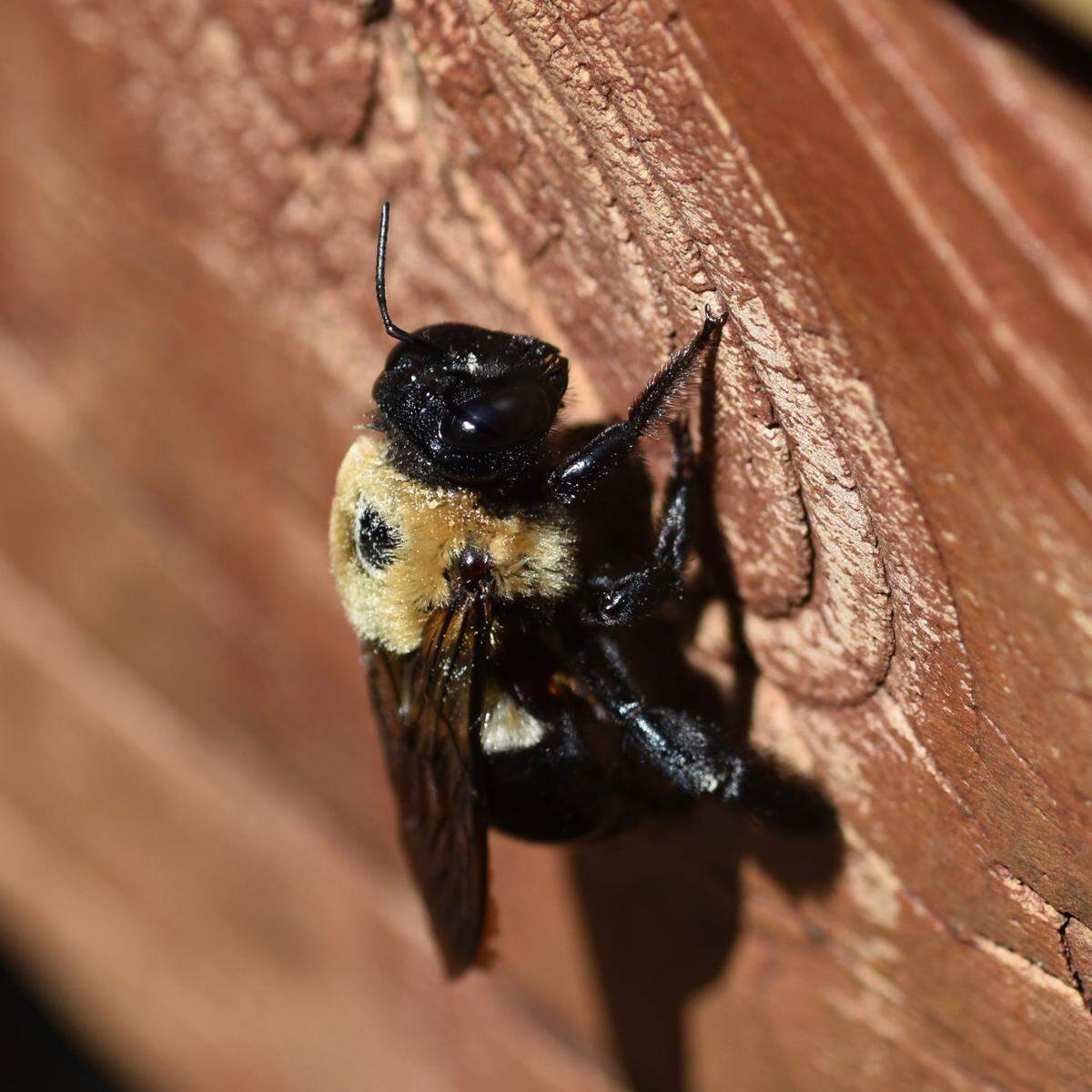
Another flying insect that often eats through homes’ structural lumber is the carpenter bee, which is most active in the spring.
Here’s what to know about these two species that can eat their way through your walls, including what to do if you have an infestation and how to lessen the likelihood of damage.
How to protect your home from termites, carpenter bees
Termites’ job is to break down fallen trees and limbs, consume the cellulose and help break it down to fortify soil. So when people clear trees for construction, termites sometimes end up finding their nearest food source at someone’s home.
In addition to wood, termites also seek out moisture. Irrigation issues, pooled water near a home’s foundation, sprinklers that splash against the side of a home and any water damage around windows or roofs are all appealing to the pests.
“Even the tiniest small, consistent drip of water can be enough to attract termites,” Bentley said.
To avoid an infestation, it’s important to quickly address any moisture concerns, he continued.
One of the best ways to prevent carpenter bee damage is to add a protective coat to your wood surfaces, Southern Living advises. You can also opt for vinyl or aluminum siding when possible.
Termites, carpenter bees and other wood-eating insects may also be attracted to your home if you store firewood near the outside of your house. It’s best to store it at least 20 to 40 feet away from your home, Bentley said, though the farther the better.
Once termites or carpenter bees find a great food source right by your home, they are likely to start doing structural damage.
A major indicator of termite activity in the home is the presence of wings and spiderwebs. When winged termites emerge from their colony and make their way to a home, they pop their wings off and leave them behind.
When remodeling or doing repairs in the basement, you may also find termite tunnels. The damage is sometimes encased in mud, depending on the type of termite infestation.
Homeowners insurance generally doesn’t cover termite damage, Bentley said, so it’s important to keep an eye out and address damage as soon as you see it.
“The sooner you identify the problem, the sooner you can start to put in place corrective actions to be able to resolve the issue,” Bentley said. “Termites don’t stop feeding, and the longer you wait the more costly the damage is.”
If you think you may have a termite infestation, Bentley recommends you take photos of the damage, save any evidence, such as wings, and contact a licensed pest management professional so they can determine the cause.
Water damage, termites, carpenter bees, carpenter ants and some beetle species are all potential culprits, and identifying the source will greatly affect the plan of action, Bentley said.
Do you have a question about critters in Illinois for our service journalism team? We’d like to hear from you. Please fill out our Metro-east Matters form below.