Can workers who quit their job in Illinois get unemployment? Why you could collect
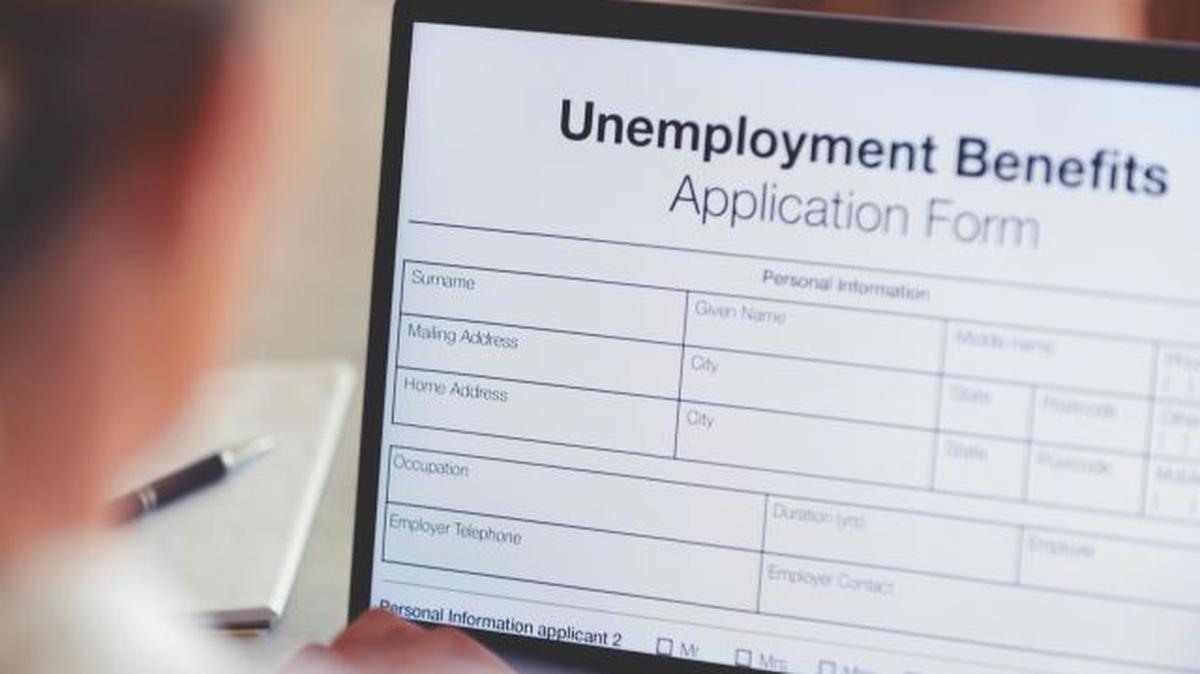
The metro-east’s unemployment rate is up slightly compared to last year, according to the Illinois Department of Employment Security, but who qualifies for unemployment benefits in the state?
The southwestern Illinois area has an unemployment rate of 4.4% as of March, compared to 3.8% in March 2023. More than 313,000 residents across the Land of Lincoln were unemployed as of April, the U.S. Bureau of Labor Statistics reports.
More than 19,000 layoffs were reported in Illinois in 2023, the BND previously reported. This number doesn’t include employees of smaller companies that aren’t required to provide notice.
Being laid off in a no-fault situation is generally accepted as a valid reason to claim unemployment insurance in Illinois, but what if you voluntarily quit your job? Here’s what to know about eligibility and applying.
Who is eligible for unemployment assistance in Illinois?
To be eligible to receive unemployment insurance in Illinois, you must have earned enough money in the past 18 months for the state to establish a weekly benefit amount, the Illinois Department of Employment Security website says.
You must also have an acceptable reason for leaving your previous job, including a “no-fault circumstance,” such as a layoff or discharge.
If your reason for leaving your last job isn’t deemed acceptable, you’ll need to do an interview with a department adjudicator. The interview usually takes place two weeks after you submit your claim, and you’ll be able to present information showing why you believe your reason is acceptable.
The adjudicator will then make an eligibility decision after doing research, which may include contacting your prior employer, calling a witness or other fact-finding measures.
You can file an appeal if your claim is denied.
To file for unemployment insurance online, you will need the following information:
Social Security number and name as it appears on your Social Security card
Driver’s license or state identification card
If you are claiming your spouse or child as a dependent, you’ll need their name, date of birth and Social Security number.
Name, mailing address, phone number, employment date and separation reason for each employer you worked for in the last 18 months. You may also need wage records from these employers.
If you’ve worked since Sunday of this week, you must report all gross wages for any work performed, full-time or part-time. The wages must be reported in the week they are earned. If your gross earnings are less than your weekly benefit amount, you may still receive a full or partial benefit payment.
Records of any pension payments you are receiving (this excludes Social Security)
If you are not a U.S. citizen, you will need your “Alien Registration Information”
If you are a recently separated veteran, you will need a copy of the DD form 214/215
If you’ve been separated from work as a civilian employee of the federal U.S. government, you’ll need copies of your Standard Form 8 and Personnel Action Form 50.
Are you eligible for unemployment if you quit?
Illinois residents who quit their jobs can only qualify for unemployment insurance if they quit for “good cause,” the Illinois Legal Aid Online website says.
Good cause equates to specific reasons to quit that are considered a “constructive discharge,” meaning any reasonable person in a similar position would have quit.
Potential “good cause” reasons to quit may include, according to Illinois Legal Aid Online:
Employer broke state or federal law
Working conditions or terms of employment changed
Coworkers or supervisors were abusive
Employer refuses to pay your wages for work you have done
Your hours, benefits or pay rate were cut
Boss changed your work shift, causing child care or transportation issues
This is not an exhaustive list of qualifying reasons to leave your job. Other typically acceptable reasons include quitting due to a health problem, to take care of a family member who is sick or disabled, because of rights you have as a contracted union member, because of a domestic violence situation or because you’re moving for your spouse’s job or military assignment, Illinois Legal Aid Online reports.
These reasons are generally not considered “good cause:”
- Lack of child care (unless due to a change in work shift)
- Lack of transportation to work (unless it’s due to a change in workplace location)
- Job-related stress
- You’re not getting along with your coworkers or boss
- A “small” decrease in pay, hours or benefits
If you believe your employer has violated labor laws, you can file a complaint with the Illinois Department of Labor online or in person at a DOL office.
Do you have a question about employment in Illinois for our service journalism team? We’d like to hear from you. Fill out our Metro-east Matters form below.