Mpox now a global health emergency. What an Illinois doctor says about cases, vaccine
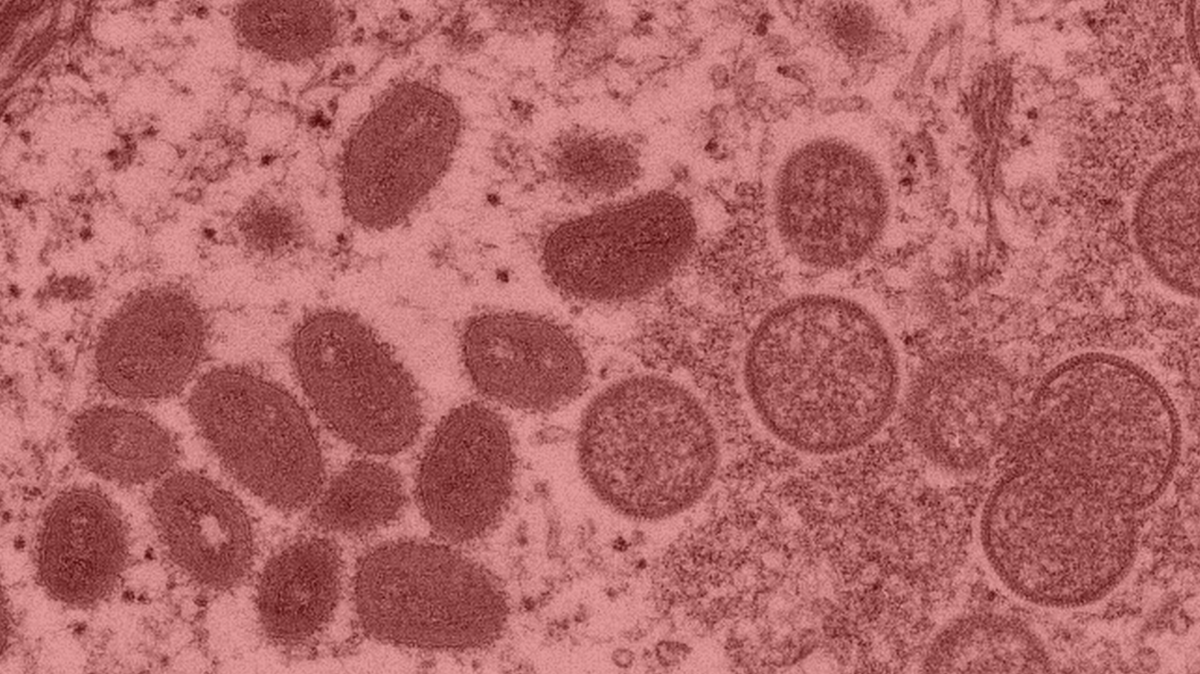
The U.S. Centers for Disease Control and Prevention recently released a health alert due to a more severe strain of mpox spreading through human-to-human transmission. Illinois recorded more than 1,500 cases in a 2022 mpox outbreak of a different strain.
The more severe mpox strain, also referred to as clade I, has been reported in the Democratic Republic of the Congo and has lead to at least 450 deaths so far, Southern Illinois University Medicine infectious diseases specialist Dr. Vidya Sundareshan said in a recent interview with the BND.
No cases of clade I have been reported in the U.S. as of Aug. 27. The disease has been reported in Sweden, as well as areas in Central and East Africa, BBC reports.
Although clade I has not yet been seen in the country, U.S. health officials are being cautious and recommend health care providers follow best practices to prevent spread of the infectious disease, Sundareshan said.
“It’s important to really watch what’s happening globally,” Sundareshan added.
Here’s what Illinois residents should know about mpox.
Mpox vaccines and the earlier Illinois outbreak
The CDC is not updating its online mpox case count, but reports the U.S. saw 32,063 mpox cases and 58 deaths in the 2022 to 2023 outbreak.
Illinois officials recorded 1,593 cases in that timeframe, and Sundareshan said she isn’t aware of any mpox-related deaths reported in the state.
The 2022 outbreak involved clade II, which is considered less severe and has a 99.9% survival rate, according to the CDC. Clade II is endemic to West Africa. Clade I is endemic to Central Africa, and some outbreaks have killed up to 10% of people who were infected, though the CDC reports recent outbreaks have had lower death rates.
Mpox has an incubation period of 21 days, Sundareshan said, so people traveling from areas where the virus is endemic should closely monitor themselves for symptoms for three weeks. Common symptoms include a rash that can present as pus-filled boils, fever, chills, exhaustion, muscle aches, back pain, headaches, sore throat and nasal congestion, Sundareshan said.
For patients who contract a severe rash, a treatment called TPOXX may be available.
Illinois health officials successfully administered extensive vaccines and controlled numbers in the 2022 outbreak, Sundareshan said, but a more severe strain may raise questions about whether the state has an adequate vaccine supply and if the recommendations on who should get vaccinated should be broadened.
The Illinois Department of Public Health reports “due to shortage of supply,” people who are eligible to receive the vaccine include sexually active gay, bisexual or other same-gender-loving men and members of transgender and nonbinary communities.
While vaccination strategies in Illinois and across the U.S. are focusing primarily on men who have sex with men (some guidelines specify multiple partners), anyone can contract mpox. Both clade I and clade II can be spread by contact with infected wild animals, close contact with someone who has mpox and through contact with infected materials.
Sundareshan recommends eligible Illinois residents who are interested in being vaccinated against mpox contact their primary care provider, who may refer them to a local health department to receive the vaccine, as it’s not always carried in offices.
The World Health Organization started using the term “mpox” in November 2022 because the disease’s previous name has racist roots.
Do you have a question about health in Illinois for our service journalism team? We’d like to hear from you. Fill out our Metro-east Matters form below.
This story was originally published August 28, 2024 at 9:38 AM.