
Lyme disease — and ticks that carry it — spreading across the US. How high is IL’s risk?
Lyme disease is one of the most prevalent insect-borne diseases in the country, with far more cases each year than others carried by mosquitoes, fleas and ticks, such as West Nile Virus.
The U.S. Centers for Disease Control and Prevention’s most recent Lyme disease data is from 2022. That year, there were more than 62,000 reported cases of the tick-borne disease, but the CDC estimates because of underreporting, the true number of annual cases could be seven times that amount.
According to the Illinois Department of Public Health, more cases of Lyme disease are reported in the state each year than other type of tickborne illness.
“Lyme disease is an infection that individuals can get from the bite of infected ticks – and it is the most common vector-borne illness in the United States with more than 500,000 people diagnosed and treated each year,” IDPH Director Dr. Sameer Vohra said, in part, in a May press release from the agency marking National Lyme Disease Awareness month.
The prevalence of the disease, which is spread to people through the bite of a blacklegged tick, or a deer tick, has increased dramatically since the U.S. first began tracking the disease in 1991. While better surveillance explains part of the increase, the warming climate has also made more of the country suitable for the ticks that carry the disease.
Illinois has populations of at least 15 species of the pest, and the deer tick is among them, though IDPH reports the range the variety is commonly found in is limited.
Here’s a look at how deer ticks have spread across the U.S. since 1996.
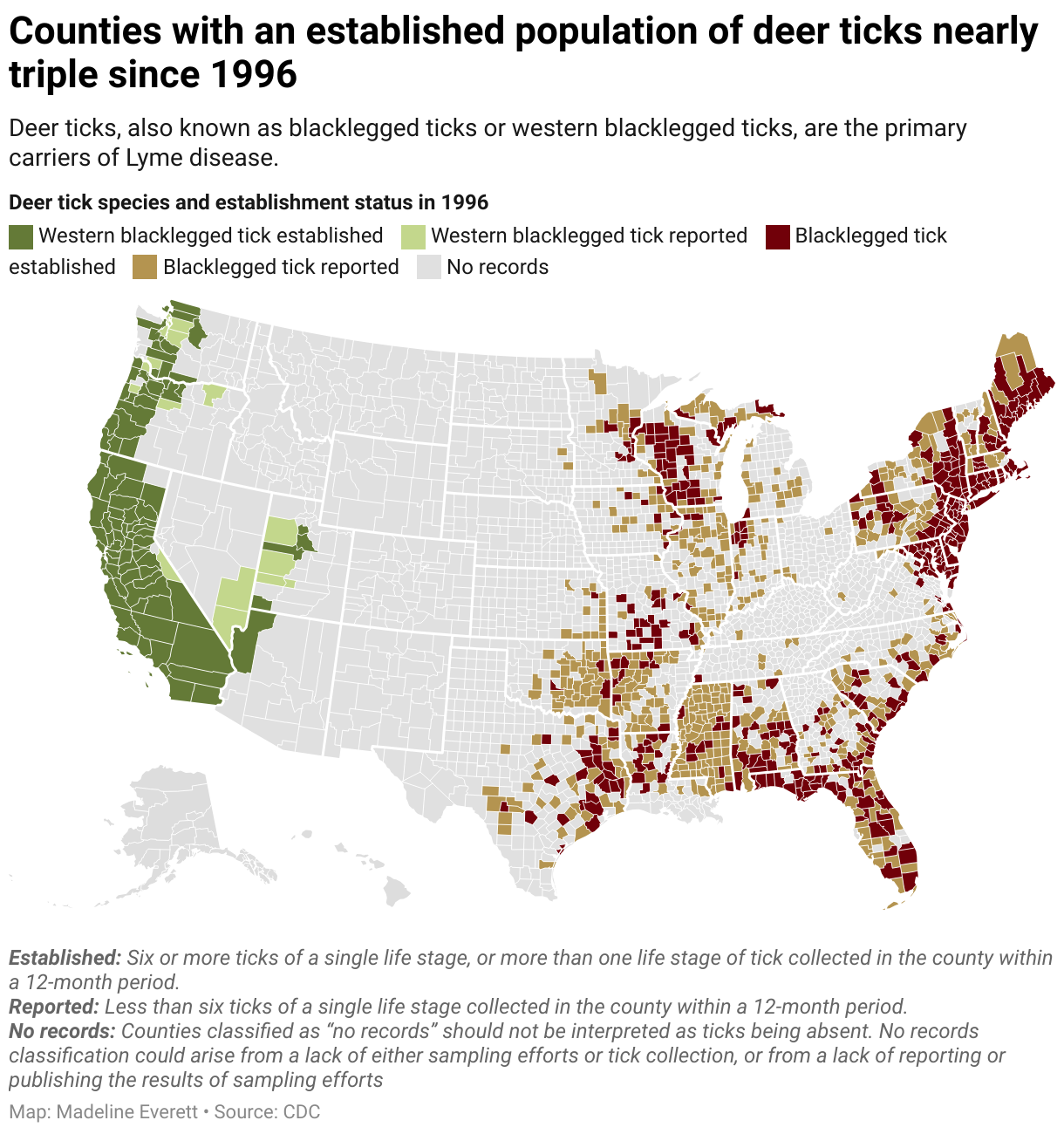
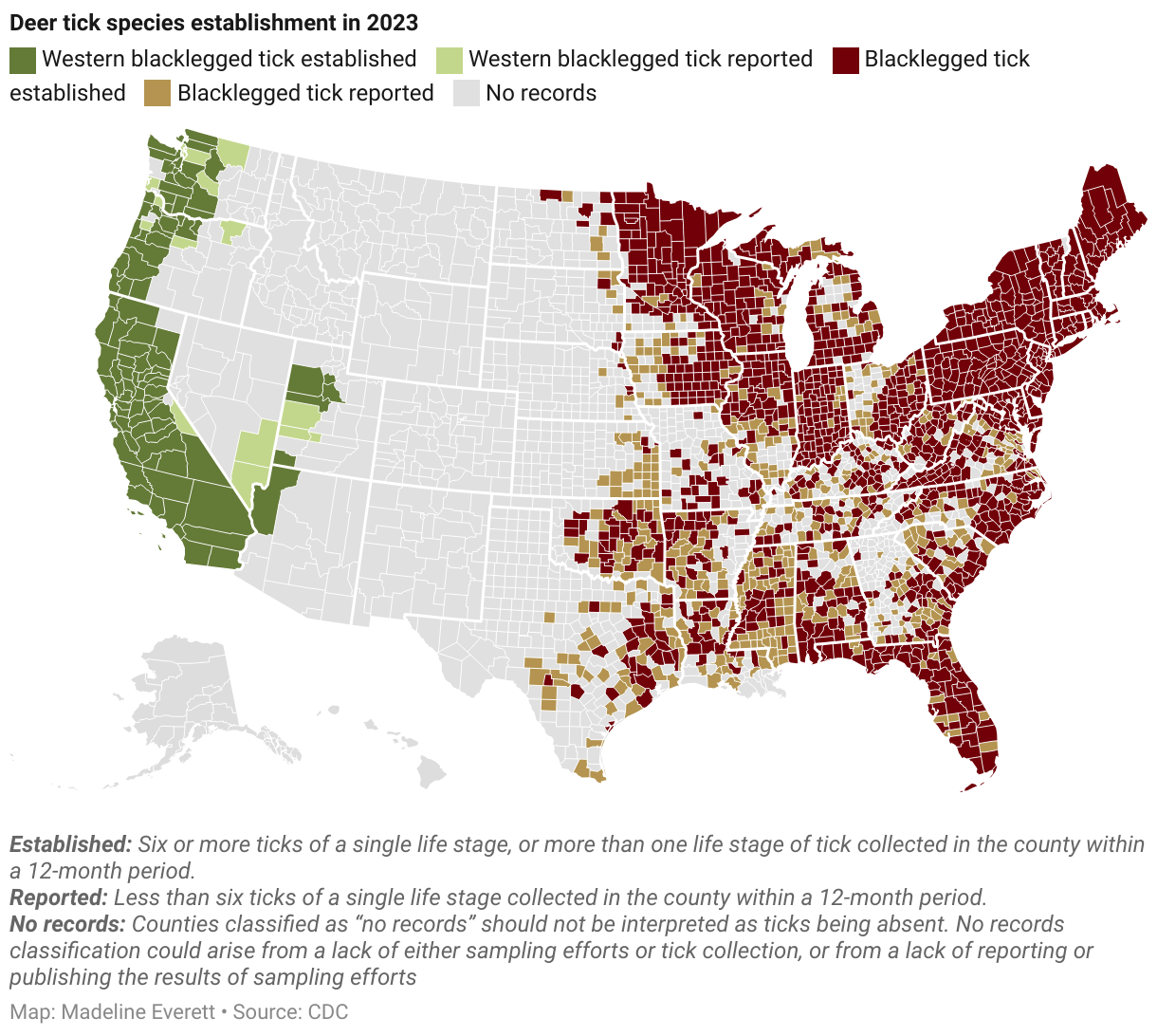
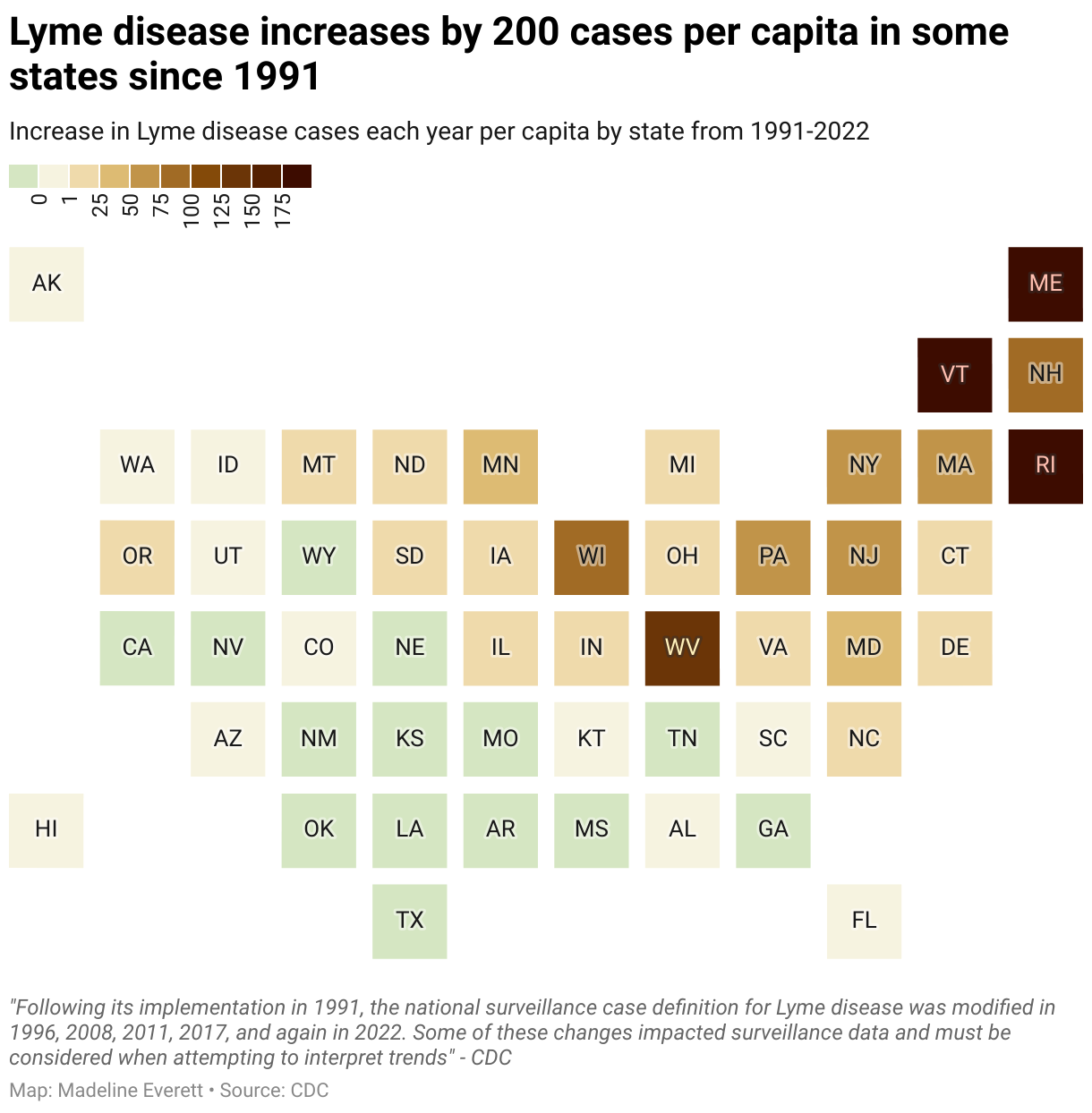
While Lyme disease is most prevalent in the northeastern U.S., as ticks have spread, so has the disease. In 2022, Vermont had one of the highest numbers of cases per capita with nearly 200 cases per 100,000 people. In 1996, the state reported just one case per 100,000 people. The Midwest has especially seen an increase in cases, the latest CDC data indicates.
Lyme disease in Illinois
At least 200 cases of Lyme disease were reported annually in Illinois from 2012 to 2022, according to the latest available data from IDPH. For that decade, the number of cases peaked in 2021, when 539 cases were recorded.

Relatively few cases have been reported in St. Clair County in recent years, however. State health data from 2018 to 2022 shows just four cases reported in the county during that period.
Case counts were also low in other metro-east counties during that time. Madison County had four reported cases, Bond and Washington counties recorded one each, and Clinton, Monroe and Randolph counties had no cases during the span, data from IDPH’s communicable disease program shows.
The state offers an online tick surveillance map that allows users to learn more about where certain tick species are established in Illinois at the county level. It shows the blacklegged tick is establish in many northern and central Illinois counties, and less so in the southern reaches of the state.
How to protect yourself from pesky ticks
The CDC advises people wear long pants and shirts when in tick-infested environments, such as wooded areas or spots with tall grass, and to tuck pants into socks to create a barrier. The agency also advises checking sensitive areas, such as armpits and behind ears, after spending time outside
Lyme disease can be identified by a red, circular rash that appears at the site of a tick bite three to 30 days after being bitten. The CDC recommends going to a health care provider immediately as soon as this type of rash is visible.
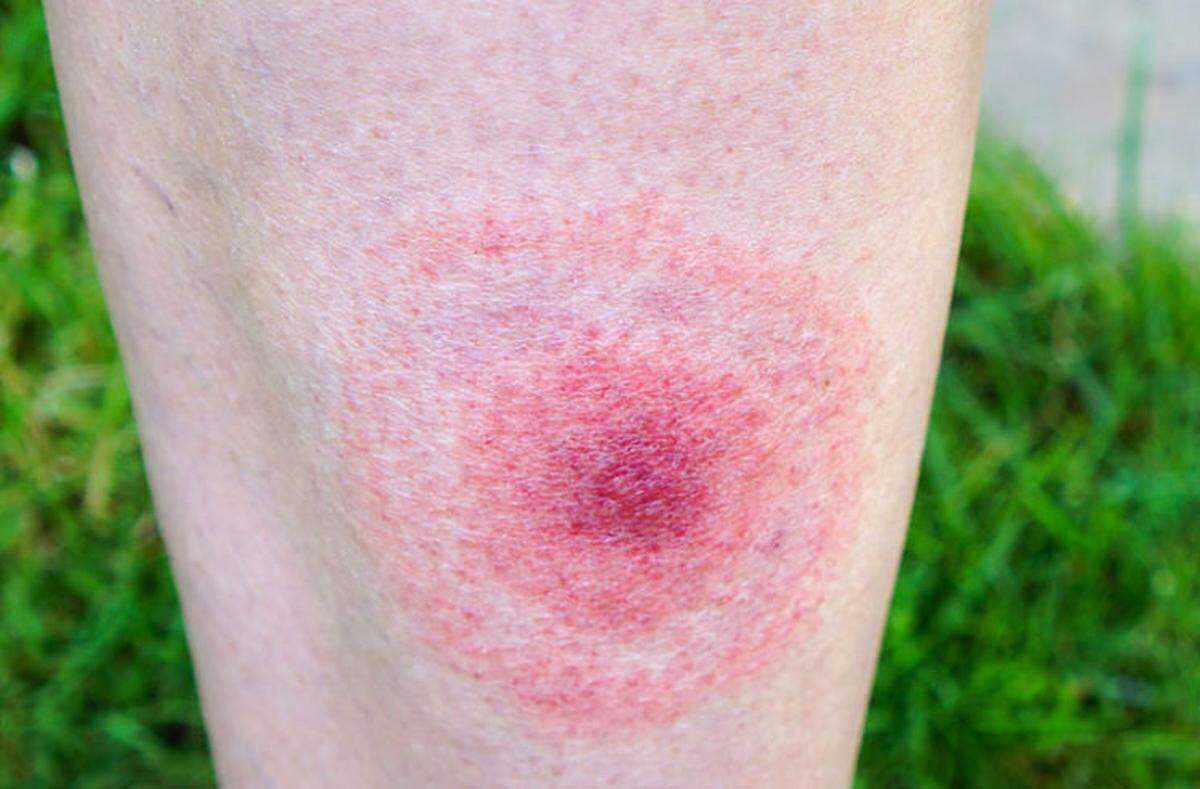
When treated early, Lyme disease symptoms can go away entirely. However, if it is not treated early, the disease can be chronic, with symptoms such as arthritis, fatigue and persistent body aches.
While Lyme disease is most commonly reported in the spring, summer and fall, ticks can be active at any time the temperature is above freezing.
Central service journalism editor Jackie Starkey contributed to this report.