Here’s why it’s a critical time to take action ahead of respiratory virus season in IL
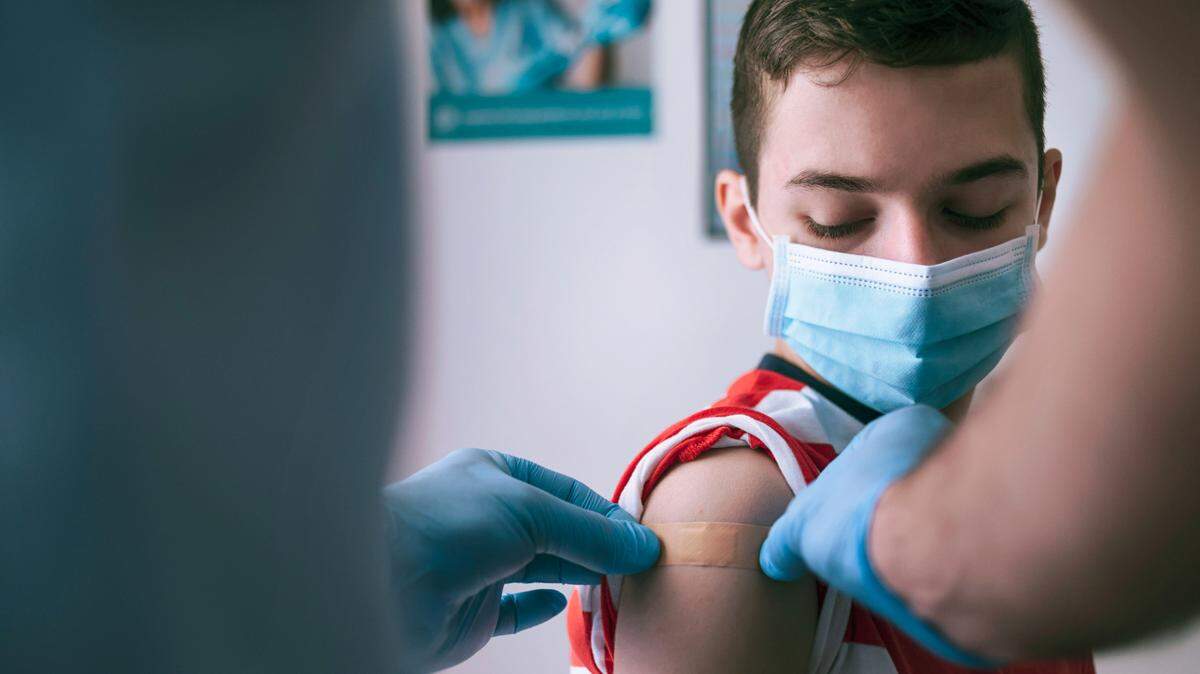
Public health officials in Illinois expect respiratory virus spread to increase as temperatures drop this fall, but vaccines and treatments are in better supply this year for one illness.
Respiratory syncytial virus, or RSV, has overwhelmed hospitals in recent years due to the severe illness it sometimes causes in young infants and adults older than 75. Officials with the U.S. Centers for Disease Control and Prevention recommend all babies be protected from severe RSV from either a vaccine given to the pregnant person or an RSV antibody given to the baby.
Both the vaccine and monoclonal antibody treatments will be more available this year in Illinois compared to last year, Dr. Vidya Sundareshan, infectious diseases specialist at Southern Illinois University Medicine and medical advisor to Sangamon County Health Department, said in a Nov. 13 interview with the News-Democrat.
Those who are interested in being vaccinated against RSV should speak with their doctor about eligibility and what’s recommended, Sundareshan said. Current guidelines have been expanded to recommend RSV vaccination for pregnant people (unless their baby is given antibody treatment instead), all adults older than 75 and people between 60 to 75 years old who are at an increased risk of severe illness due to a medical condition. The vaccine is not given annually at this time.
In addition to RSV, influenza strains A and B and COVID-19 are concerns in Illinois this fall and winter. Nationally, the CDC reports the second week of November had low overall rates of people seeking health care due to acute respiratory illness.
“There’s a little bit of a rise in pediatric RSV and flu,” Sundareshan said about the spread of the two respiratory viruses.
The Illinois Department of Public Health recently reported the first death of a child due to COVID in the 2024-25 respiratory season. The virus has killed more than 1.2 million Americans since 2020, the CDC reports.
While IDPH reports the statewide respiratory illness level is low, 12.5% of hospital admissions from Nov. 3 to Nov. 9 were due to acute respiratory illness. That number peaked last year at 25.4% in late December.
“With the Thanksgiving Holiday fast approaching, I want to remind everyone that it takes about two weeks for vaccinations to provide their full level of protection,” IDPH Director Dr. Sameer Vohra said in a Nov. 14 press release. “I received my COVID-19 and flu vaccines today to ensure that I do all I can to protect myself and my loved ones from severe illness. If you haven’t already gotten your vaccines this season, now is a great time to visit your local pharmacy or clinic. Vaccinations are especially important for individuals over 65, those with chronic medical conditions, and those who are immunocompromised.”
Health care providers typically recommend people get their flu shots in late September or early October, Sundareshan said, but it’s never too late in the season to get the vaccination. Flu B doesn’t usually peak until closer to January, and the vaccine protects against both strains.
The U.S. Food and Drug Administration approved the latest COVID vaccine in August, and officials recommend an updated shot to everyone ages 6 months and older, though the dosage and timing depend on an individual’s vaccination and medical history.
Mitigating respiratory virus spread
Hand washing and wearing a mask, especially if you are symptomatic or will be around people who are immunocompromised, are important mitigation measures, Sundareshan said.
“Those are some of the practices that will determine how the viruses pan out in the community,” Sundareshan said.
While vaccines may be more effective in reducing the risk of severe illness and death more so than preventing infections, they’re still important to get, Sundareshan said.
“We are not living in a bubble. We are around people who are immunocompromised, we have family members who are older, so definitely getting a vaccine is very helpful to protect those around us,” Sundareshan said.
An estimated 95% of the population has some level of protection against COVID, through either natural immunity or vaccination, Sundareshan said, but the virus still leads to regular hospitalizations.
Natural immunity from a COVID-19 infection can last an average person around three months, Sundareshan said, though the timeline varies for different people. She recommended people wait one month after getting sick to receive their next COVID shot, assuming they are eligible for one.
You can make an appointment for flu and COVID vaccines at the St. Clair County Public Health Department or CVS or Walgreens pharmacies near you.
Do you have a question about health care in Illinois for our service journalism team? We’d like to hear from you. Fill out our Metro-east Matters form below.
This story was originally published November 20, 2024 at 10:08 AM.