Can anyone pilot a drone in Illinois? Can you shoot them down? The basics on who can fly
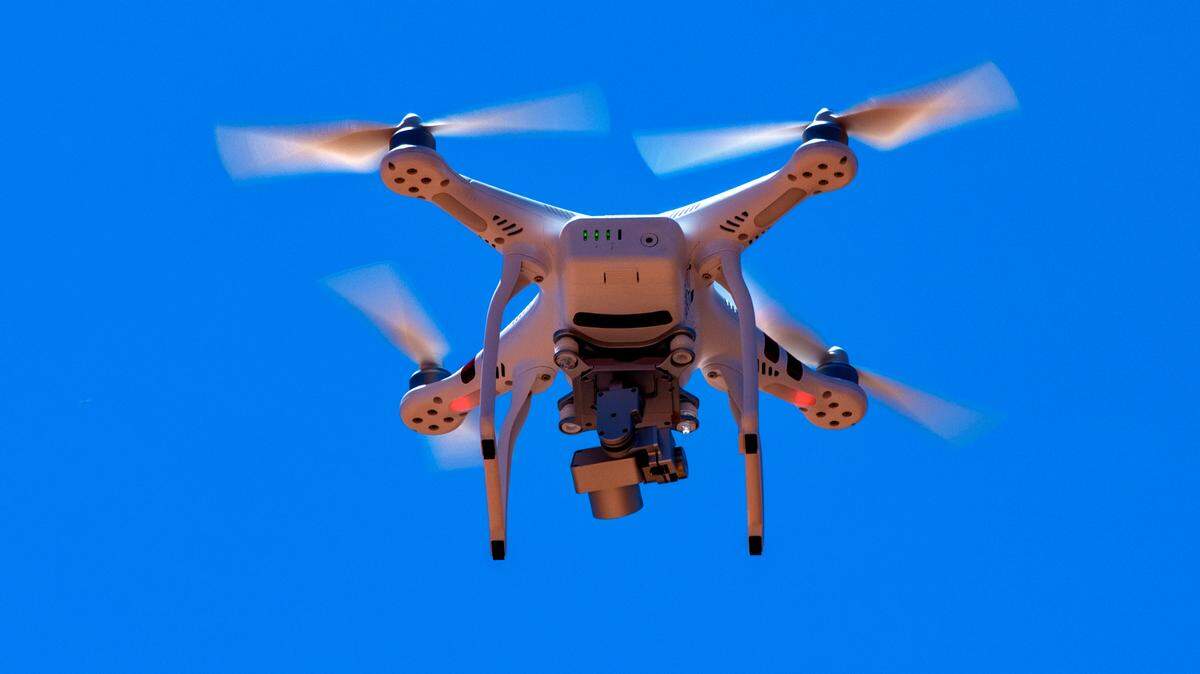
If you often see drones hovering about Belleville or have considered purchasing one yourself, you may have wondered how the devices are regulated in Illinois.
Metro-east and St. Louis region residents have seen an increase in drone usage recently, Fox 2 reported, and while some people may feel uneasy if they’re unsure of the drone’s purpose, it is illegal to shoot them down.
In addition to privacy concerns, some drone regulations focus on minimizing risk as injuries have been reported. A 7-year-old boy needed heart surgery after being injured at an Orlando drone show in December, according to NBC News.
A variety of federal and state rules apply to those flying unmanned aircraft systems. Here’s what to know in Illinois.
What drone rules apply to Illinois residents?
There are no local-specific enforcement regulations for Belleville regarding drone use, Belleville Police Department administrative supervisor Sarah Herzing wrote in a Jan. 22 email to the News-Democrat.
The city of Belleville also does not have any relevant ordinances to drone usage, city clerk Jennifer Gain Meyer confirmed in a Jan. 17 email. Illinois state law actually prohibits cities, excluding Chicago (because it has more than 1 million residents), from passing their own drone regulations.
“This ensures uniformity in drone laws throughout Illinois,” Illinois State Police trooper Rodger Goines wrote in a Jan. 17 email to the BND.
Although there aren’t Belleville-specific drone rules, all U.S. residents are required to follow Federal Aviation Administration regulations, and the state of Illinois has some applicable statutes, as well.
Here’s an overview of Illinois state laws regulating drone use, from Goines:
The Freedom from Drone Surveillance Act, which went into effect in 2014, limits law enforcement’s legal ability to gather information using drones. It allows law enforcement to use drones to counter terrorism, “prevent harm” or stop an imminent escape. Any footage captured by drones must be destroyed within 30 days, unless it is deemed to be related to criminal activity, Goines said.
An amendment to the Freedom from Drone Surveillance Act that went into effect in 2015 allows law enforcement agencies to use drones during a disaster or public health emergency, and establishes rules for how police can access drone footage from private individuals, Goines said. The law also requires police to follow certain protocols when using drones for surveillance, including obtaining a warrant for certain types of drone usage.
An amendment to the Fish and Aquatic Life Code that went into effect in 2013 prohibits people from using their drones to disturb or disrupt lawful hunting and fishing activities, Goines said.
Federal drone regulations
Federal drone regulations vary based on several factors, including whether the operator is part of a government agency or law enforcement, whether the purpose is business, commercial, nonprofit-related or recreational, the drone’s weight and more.
Here’s what to know for people flying drones under 55 pounds for a recreational purpose, from the U.S. Federal Aviation Administration:
Take and pass the Recreational UAS Safety Test (TRUST) and carry proof while flying.
Have a current FAA registration and mark your drone on the outside with the registration number.
Follow safety guidelines from an FAA-recognized community based organization.
Keep your drone within your line of sight or within vision of someone who’s physically close to and communicating with you.
Give way to and do not interfere with other aircraft.
Fly at or below FAA-authorized altitudes in controlled airspace only with prior FAA authorization by using Low Altitude Authorization and Notification Capability (LAANC) or DroneZone.
Fly at or below 400 feet in uncontrolled airspace.
Do not operate your drone in a manner that endangers the safety of the national airspace system.
The U.S. law regulating recreational drone use is called the exception for limited recreational operations of unmanned aircraft. If you’re not sure what type of drone user you are considered under federal law, you can use an online FAA tool to figure out what rules you need to follow.
Do you have a question about living in Illinois for our service journalism team? We’d like to hear from you. Fill out our Metro-east Matters form below.