IL sees dip in childhood vaccinations. 3 counties have rates below needed threshold
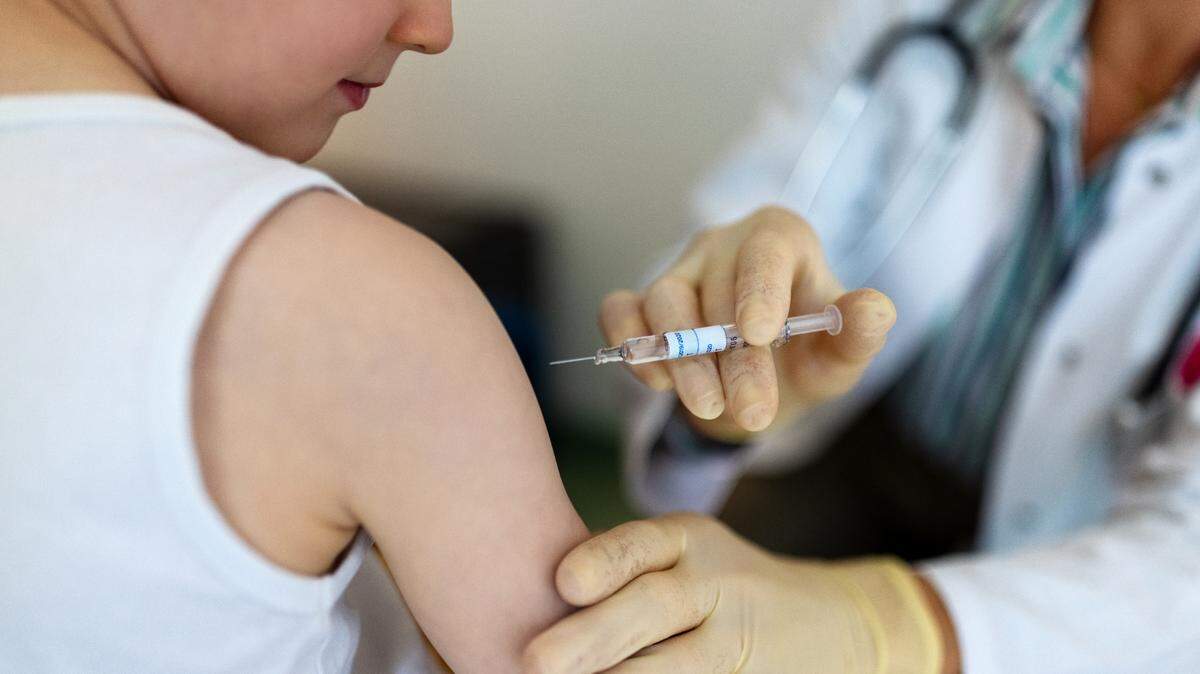
Measles has been reported in Illinois and several other states this year, and some downstate school districts have insufficient vaccination rates to prevent outbreaks.
The Illinois Department of Public Health reports Pulaski, Massac and Pope counties have community immunity thresholds below 91%, the critical rate needed to provide herd immunity and prevent contagious disease outbreaks.
The state health department color-codes each county’s community immunity threshold as blue for those above the critical vaccine threshold, yellow for those within the threshold range and red for those below the critical vaccine threshold. As of July 28, Pulaski, Massac and Pope counties are in the red, but several others in central and northern Illinois are in the yellow.
The immunity threshold varies by disease, but IDPH considers counties with a 96% or greater vaccination rate in the blue for measles. For those in the yellow, it’s less clear whether vaccination and previous infection rates are sufficient to prevent outbreaks.
“Immunity is very, very important at a personal level and also for the community. So vaccinations are very, very important,” Dr. Vidya Sundareshan, infectious diseases specialist at Southern Illinois University Medicine and medical advisor to Sangamon County Health Department, said in a July 23 interview with the News-Democrat.
Religious exemptions and medical conditions such as severe immunodeficiency or serious allergies to vaccines can prevent someone from receiving the combination vaccine against measles, which also protects from mumps and rubella.
“That can create problems for others, because they are prone to those diseases. And if there’s an outbreak, then they have to miss school for so long,” Dr. Subhash Chaudhary, pediatric infectious disease specialist at SIU Medicine, said in the interview.
Southern Illinois experienced a measles outbreak in April and May, with eight cases reported. The outbreak is now considered over, the Illinois Department of Public Health reported July 11, as two full incubation periods have passed since the last confirmed case.
Two unrelated measles cases were reported in Cook County around the same time, according to IDPH, but those did not constitute an outbreak.
While some southern Illinois counties have lower vaccination rates, the metro-east generally has higher rates of protection. St. Clair County has an average county protection rate against measles of 98%, with Madison County’s at 97.4% and Monroe’s at 98.4%.
The state of Illinois has seen a slight dip in childhood vaccination rates recently, Chaudhary said, but the statewide protection rate for measles is 96%, which is above the minimum threshold to prevent outbreaks.
What vaccines are required in Illinois public schools?
There have been no changes to the immunization requirements for the coming school year, Illinois State Board of Education spokesperson Lindsay Record confirmed via email July 18. Here’s what to know about the requirements.
Pre-K programs, child care, preschool:
Three doses of the diphtheria, tetanus, pertussis vaccine by 1 year old, one additional dose by second birthday
Two doses of the polio vaccine by 1 year old, one additional dose by second birthday. Three doses for children 24 months or older, appropriately spaced.
One dose of the measles, mumps, rubella vaccine on or after first birthday
Three doses of the hepatitis B vaccine, spacing requirements apply
Hib vaccination
PCV vaccine
One dose of the varicella vaccine (chickenpox) on or after first birthday
Kindergarten or first grade (entry into school):
“Four or more doses of Diphtheria, Tetanus, Pertussis (DTP or DTaP) vaccine with the last dose being a booster and having been received on or after the 4th birthday,” per state guidelines. Children age 7 or older should follow the catch-up schedule.
Any child entering kindergarten must have proof of a four-dose booster series for the polio vaccine, with the last dose on or after their fourth birthday.
Grade school:
Three or more doses of DTP, DTaP, pediatric DT or Td2 with the last dose being a booster and having been received on or after the fourth birthday. Minimum intervals apply.
Entering sixth grade: one dose Tdap vaccine at age 11 or older, regardless of interval since the last dose of DTP, DTaP or Td.
The same progressive requirement for the polio vaccine applies to children in kindergarten through age 7. Children in grades 8 to 12 must have three or more doses of the polio vaccine with the last dose on or after their fourth birthday. Minimum intervals apply.
From kindergarten through 12th grade, two doses of the measles, mumps and rubella vaccine are required. The first dose must have been received on or after their first birthday, and the second dose must be administered no less than four weeks later.
Students entering sixth grade to 12th grade need three doses of the hepatitis B vaccine, spaced out. The third dose may not be required if the child received two doses of adult formulation Recombivax-HB vaccine if certain age and spacing requirements are met.
Two doses of varicella vaccine are required for all grade levels. The first dose must have been on or after their first birthday, and the second dose must be given no less than four weeks later.
Students entering sixth to 11th grade must receive one dose of the meningococcal conjugate vaccine on or after their 11th birthday.
Students entering 12th grade must receive two doses of meningococcal conjugate vaccine, with the second dose administered on or after their 16th birthday and at least eight weeks after the first dose, the state health department says. The second dose is not required if the first dose is administered on or after the child’s 16th birthday.
Additional requirements may apply, including catch-up schedules and certain exceptions. For more details, including information about required intervals between vaccinations and minimum ages, check IDPH’s 20-25 vaccine schedule, which has the same requirements for the 2025-26 school year.
Do you have a question about public health in Illinois for our service journalism team? We’d like to hear from you. Fill out our Metro-east Matters form below.
This story was originally published July 29, 2025 at 5:00 AM.