A rainy spring may bring swarms of these pests to your Illinois home and yard
AI-generated summary reviewed by our newsroom.
- Rainy spring may increase ant, tick interactions in Illinois.
- Home-proofing and yard upkeep help reduce pest entry and exposure.
- Standing water fuels mosquito breeding, raising potential disease risk.
The metro-east has seen plenty of precipitation recently and may have a rainy spring to come, and the wet conditions are expected to bring an increase in certain pest populations.
The odorous house ant and acrobat ant are among the species seen in homes more frequently after heavy rainfall, as they seek higher ground from saturated soil.
“These cold-blooded insects are going to just kind of be waking up from their long winter’s nap, but the rain is going to be a trigger,” Jim Fredericks, senior vice president of public affairs at the National Pest Management Association and board certified entomologist, told the News-Democrat in a recent interview.
Another pest Illinois residents are more likely to see emerge this spring than at other times of the year is the termite. While termites are active in homes year-round, spring is the most common time people are likely to find out they have a termite problem, Fredericks said, as warming temperatures and rainfall trigger termite swarm events.
A termite swarm can involve hundreds or thousands of the winged insects that are released from the colony all at once. It can occur inside a home or outside, Fredericks added, but even if you see a swarm just outside your home, it might be a good idea to get the inside checked by a pest management professional.
Two types of pests that cause major public health issues, mosquitos and ticks, also thrive in warmer, wet weather.
Mosquitoes use standing water in their breeding cycle, so rainfall gathered in the yard can cause the pests to multiply and become a greater nuisance.
When you’re doing spring cleaning in the backyard, Fredericks recommended checking your gutters, flower pots, bird baths and children’s toys for any standing water.
Mosquito activity typically peaks when the temperature is in the 80s, Fredericks said, but they can become active at just 50 to 55 degrees.
The U.S. Centers for Disease Control and Prevention describes the mosquito as “the world’s deadliest animal,” and mosquitoes spread many types of serious diseases, including West Nile virus disease, dengue, chikungunya, Zika virus disease and lymphatic filariasis.
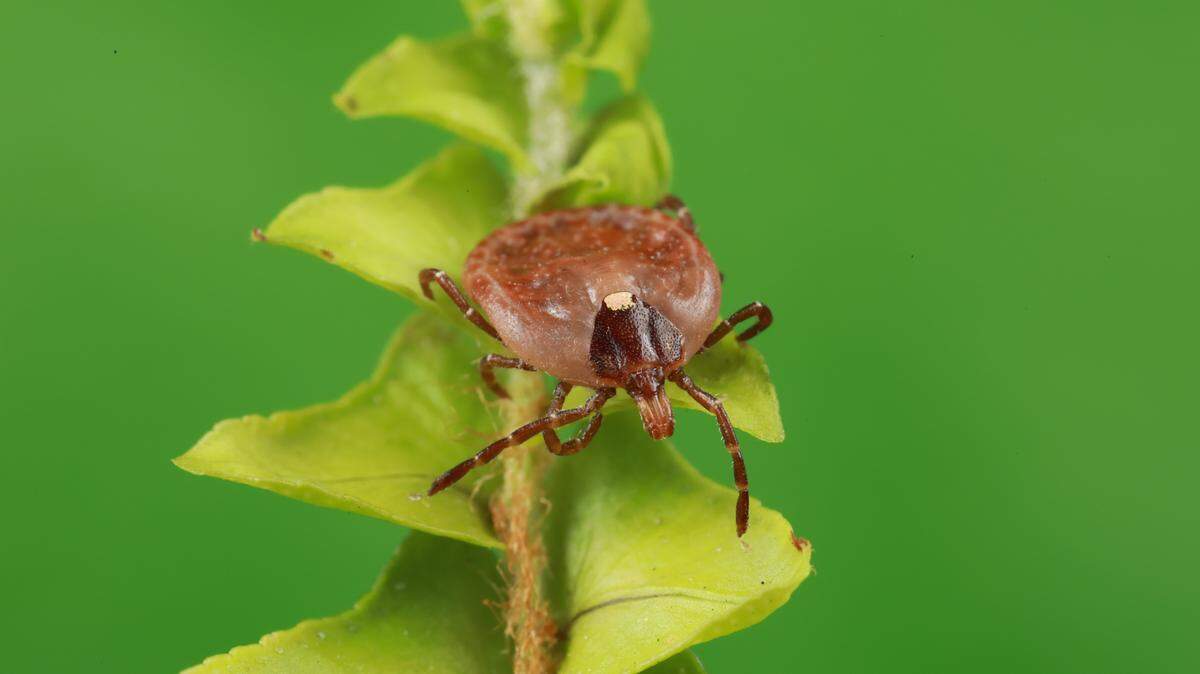
Tick populations are also a concern in the spring, and can carry pathogens that lead to a host of diseases, such as Lyme disease, Alpha-gal syndrome, Rocky Mountain spotted fever and others.
How to protect yourself against spring pests
To protect yourself against mosquitoes and ticks outside, it’s important to wear insect repellent, Fredericks said. Removing any standing water is also helpful, and there are yard treatments available designed to reduce mosquito populations, as well.
If you’re hoping to mitigate pests coming into your home this spring, best practices include sealing up any cracks where they might be able to enter, making sure all of your food is stored in airtight containers and wiping up any spills.
Do you have a question about critters in the metro-east or Illinois for the News-Democrat? We’d like to hear from you. Fill out our Metro-east Matters form below.