
Watch out for invasive beetles with giant antennae, Missouri wildlife officials say
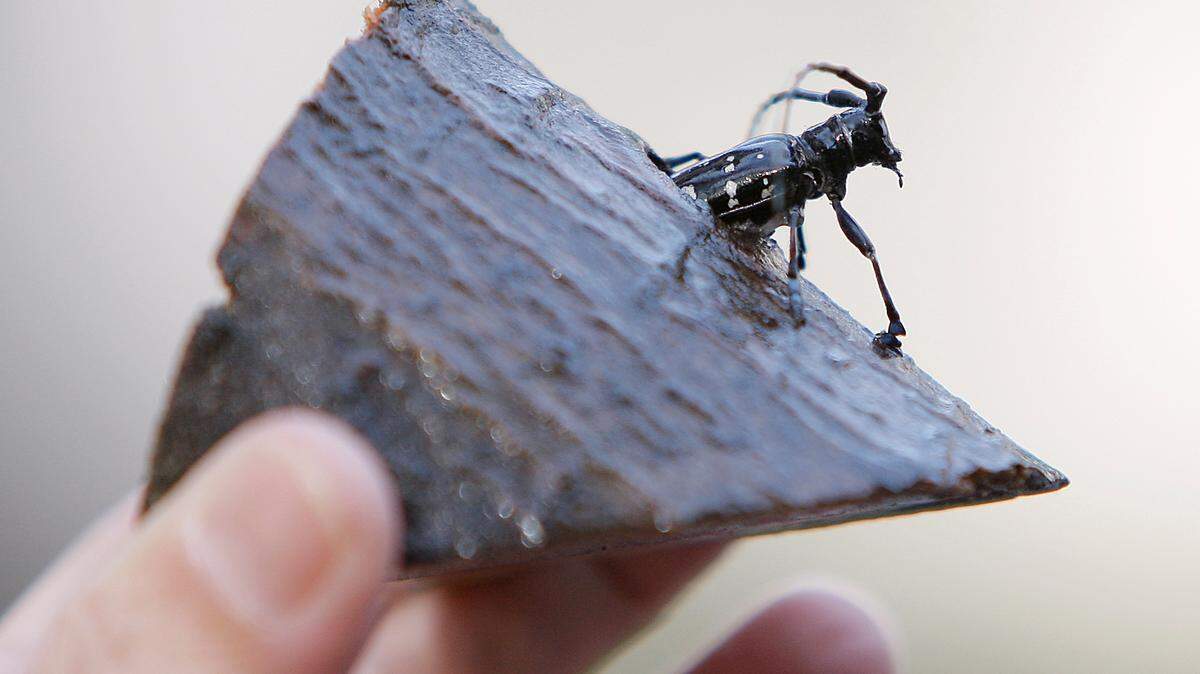
This beetle is more than just a shiny, spotted bug with a giant antenna.
It’s also invasive — and it’s out for our trees, Missouri wildlife officials warn.
The Asian longhorned beetle, known as ALB, “has the potential to destroy millions of acres of trees across the U.S., decimating both rural and community forests,” according to a news release from the Missouri Department of Conservation.
Before it is too late, the state wildlife department is urging all Missourians to check their home and neighborhood trees for signs of the invasive critter.
“Help protect your local forest from the devastating effects of ALB by finding and reporting this destructive pest,” the release states. “Take an evening stroll through your yard or neighborhood, keeping an eye out for the large, showy beetle and the damage it causes to trees.”
This is the best time of year to spot signs of the spotted pest as late summer is when it is easiest to see the damage they cause. Signs that a tree has fallen victim to an Asian longhorned beetle infestation include “large, round exit holes” on the tree surface, fine wood shavings building up on tree branches or around its trunk, and branches where leaves turned to fall colors earlier than expected.
There are no known Asian longhorned beetle infestations within Missouri, but the state doesn’t want to take its chances. The “destructive species” has been found in Massachusetts, New York, Ohio and South Carolina, where thousands of trees were destroyed to control the spread of the beetle.
“This invasive, wood-boring insect can feed on more than 20 different species of trees common to Missouri,” the state department said. “ ... The beetle’s preferred host tree is red maple, but ALB will attack many other trees, including boxelder, buckeye, willow, elm, ash, birch, sycamore, mimosa, mountain ash, golden raintree, and most maple species.”
If you suspect you’ve discovered the invasive pest in Missouri, or if you think a tree has been infested, send photos to the Missouri Department of Conservation’s Forest Health staff at Forest.Health@mdc.mo.gov. The state also asks you don’t move firewood long distances as it can spread potential beetle populations to another area.
This story was originally published September 8, 2021 at 3:58 PM with the headline "Watch out for invasive beetles with giant antennae, Missouri wildlife officials say."